



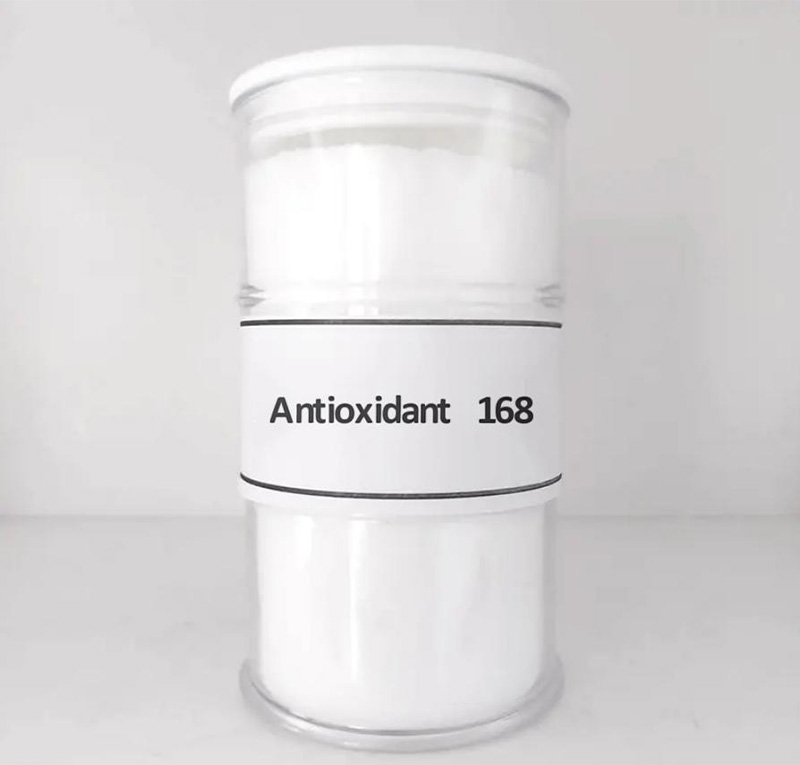
Antioxidant 168
Antioxidant 168 is a type of phosphite-based auxiliary antioxidant. It is a white crystalline powder with a melting point of 180-186℃. It is soluble in organic solvents such as benzene and toluene, but insoluble in water and alcohols. It has excellent anti-extraction and water stability properties, with low toxicity (LD50 for rats > 6000mg/kg). It is stable at room temperature but needs to be protected from high temperatures and strong oxidants.When combined with phenolic antioxidants, antioxidant 168 can produce a synergistic effect, enhancing the thermal and light stability of polymer products. It is mainly used in materials such as polyethylene, polypropylene, and polyester.
Product Details:
| ● Appearance: White powder | ● Place Orign: China |
| ● Formula: C42H63O3P | ● CAS No.: 31570-04-4 |
| ● Code: RZAT168 | ● Shelf Life: 24 month |
| ● Certification: ISO9001 | |
Payment & Shiping Terms:
- Minimum Quantity: 1MT
- Packaging Details: 25kg/carton(bag),PE inner bag
- Delivery Time: 10-15 days
- Payment Term: T/T
Specification:
| Items | Specifications | |
| Appearance | White powder or beads | |
| Melting point range,℃ | 183.0~187.0 | |
| Heating reduction,% | 0.30 Max | |
| Solubility | Clear | |
| Light transmittance,% | 425nm | 98.0 Min |
| 500nm | 98.0 Min | |
| Acid value,mg KOH/g | 0.30 Max | |
| Main content,% | 99.0 Min | |
| Content of 2, 4-di-tert-butylphenol,% | 0.20 Max | |
| Anti-hydrolysis performance(95℃,>5h) | pass | |
Storage and Package:
It should be stored in a dry and cool environment as a general chemical and kept in a sealed carton.
Packed in cartons or paper-plastic composite bags lined with plastic bags, 25Kg/carton(bag).
Performance and application:
Antioxidant 168 is a phosphite ester antioxidant with excellent hydrolysis resistance. As an auxiliary antioxidant, it can decompose the hydroperoxides produced during the oxidation of polymers, preventing the oxidative degradation of polymers. When used in combination with phenolic primary antioxidants, it can exert an excellent synergistic effect. The application scope includes polyolefins, such as polyethylene, polypropylene, polybutene and olefin copolymers; It can also be applied in polyamide, polycarbonate, polyvinyl chloride, styrene homopolymer or copolymer, elastomers, adhesives and other organic materials. Recommended addition amount: 0.05% to 0.2%.
Related Products

..Get Every Answers..
Ask Question
.. contact us ..