




In the realm of fast-paced industrial manufacturing, the gap between a smooth production process and an expensive equipment breakdown often hinges on tiny details of molecular design. As polymers and resins face higher heat and quicker cycles, the friction inside and outside these materials turns into a major hurdle. Raize, a focused maker with more than 15 years in blending chemical studies and sales, knows that good lubrication goes beyond mere slipperiness—it involves managing how molecules act under pressure.
The Science of Lubrication: Internal vs. External Mechanisms
To pick the right lubricant, you first need to grasp the two main ways these molecules work with industrial resins.
Molecular Mobility and Melt Viscosity
Internal lubricants primarily reduce melt viscosity by improving molecular mobility within polymer chains.. On a tiny scale, they slip into the resin structure and cut down the friction between those chains. This action lowers the melt viscosity of the material. For makers, it fixes issues with flow in tricky molds, so the liquid plastic fills detailed spaces more readily without too much force.
Interfacial Boundary Layers
External lubricants, on the other hand, blend less with the polymer. During work, they move to the melt’s surface and create a thin, slick layer between the hot plastic and metal parts of machines, like extruder screws or mold walls. This stops sticking and buildup, which lets the final item come out clean and reduces damage to costly gear.
Key Types of Industrial Lubricants and Their Molecular Profiles
The chemical makeup of a lubricant sets its limits, especially for heat resistance and how well it mixes.
Metallic Stearates: The Foundation of Stability
Metallic stearates are metal soaps used broadly for their combined effects.
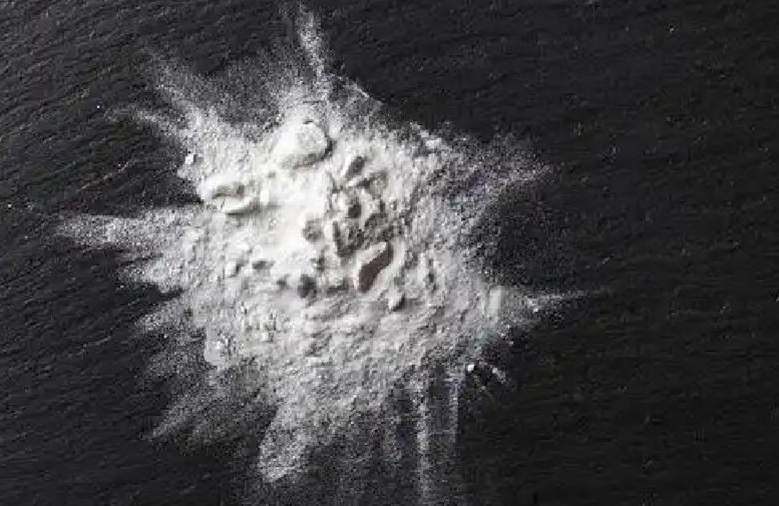
- Calcium Stearate(C₃₆H₇₀CaO₄): A waxy, white powder that works as a strong absorber of halogens. It plays a key role in the petrochemical field for handling leftover catalysts in the creation of PE and PP.
- Zinc Stearate(C₃₆H₇₀O₄Zn): Famous for not dissolving in water, it acts as a main release helper for styrene and phenolic resins.
- Magnesium Stearate (C₃₆H₇₀MgO₄): This substance gives great chemical stability and appears often in PVC making and even drug tablets, where it stops powders from sticking together during pressing.
Polyol Esters: High-Temperature Excellence
When handling advanced plastics like Polycarbonate (PC) or Nylon (PA66), regular lubricants break down from heat. Raize supplies Pentaerythritol Stearate (PETS), in forms such as PETS-3 (C₅₉H₁₁₄O₇) and PETS-4 (C₇₇H₁₄₈O₈). PETS stands out for its top-notch heat resistance—PETS-4 holds up at temperatures reaching 400°C—making it perfect for hot settings where low evaporation keeps products clear.
Glycerides and Dimer Acids: Multi-functional Additives
Glycerol Monostearate (GMS) and Distilled Glycerin Monostearate (DGMS) (C₂₁H₄₂O₄) serve as surfactants that do more than lubricate; they add vital antistatic and anti-fog features. At the same time, Dimer Acid (C₃₆H₆₈O₄) brings high thickness and strong sticking power, working as a changer in polyamides to boost bendability and toughness against hits.
Application Scenarios: Solving Real-World Industrial Problems
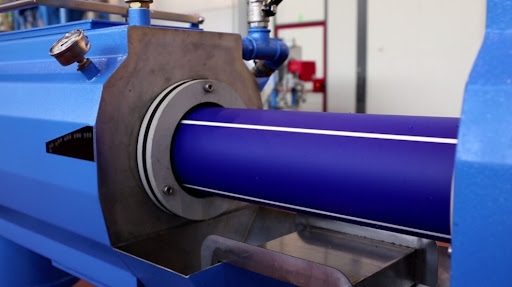
Scenario 1: Optimizing PVC Pipe and Cable Extrusion
In making PVC pipes and cables rated for 105°C, the big issue comes from polymer breakdown due to heat from friction and the release of hydrogen chloride (HCl).
- The Problem: Thick melt leads to uneven layers and flaws on the surface.
- The Solution: Pairing Raize Calcium Stearate with PETS-4. The Calcium Stearate serves as a protector against heat by soaking up HCl, and PETS-4 delivers strong external slip.
- Result: This mix boosts extrusion rates a lot and results in cables or pipes with a shiny, clean look, free of deposits.
Scenario 2: Precision Engineering Plastics and Transparent Moldings
Electronics parts often need clear Polycarbonate (PC) or PC/ABS blend covers. High molding heat can cause problems with color and clarity in these cases.
- The Problem: Common lubricants lead to yellow tones or dullness in clear pieces under intense heat.
- The Solution: Raize PETS-4works well as both internal and external aid for clear PC. Its structure stays solid above 300°C without falling apart or creating fog.
- Result: Quicker molding cycles from easy release and parts that stay fully transparent.
Scenario 3: Advanced Rubber Processing and Textile Finishing
In rubber work, especially for shoe bottoms, sheets tend to cling during cooling. This sticking slows down steps like moving and packing.
- The Problem: Blocking in natural and man-made rubber hinders smooth handling.
- The Solution: Using Raize Calcium Stearate Emulsion or Zinc Stearate. They prevent sticking and help with curing.
- Result: In textiles, these compounds also act as treatments to add lasting water resistance without harming air flow or feel.
Comparative Performance: Raize Additives at a Glance
This table outlines the main strengths of key Raize items in factory use:
| Product Name | Key Molecular Feature | Primary Industrial Problem Solved |
| PETS-4 | High MW Ester (C₇₇H₁₄₈O₈) | Sticking in molds and color shifts in hot advanced plastics. |
| Calcium Stearate | Metal Soap (C₃₆H₇₀CaO₄) | Rust and breakdown in PVC and polyolefin making. |
| GMS / DGMS | Surfactant (C₂₁H₄₂O₄) | Static charge and misting in food wraps. |
| Dimer Acid | Di-carboxylic Acid (C₃₆H₆₈O₄) | Low bendability and hit strength in polyamide materials. |
| Zinc Stearate | Water-insoluble Organic | Hard release from molds in heat-set plastics and rubber. |
Why Manufacturers Choose Raize as Their Industrial Lubricant Supplier
- 15+ years of industry experience in chemical research and sales for plastic, food, and feed additives.
- Rigorous quality control ensuring consistent batch-to-batch performance for industrial extrusion and injection molding applications.
- Comprehensive product portfolio including metallic stearates (calcium, zinc, magnesium, sodium), polyol esters (PETS), glycerides (GMS, DGMS, GTS), and dimer acids.
- Flexible supply solutions providing bespoke product formulations, mixed shipment consolidation, and a no-MOQ policy.
- Adherence to global standards, including ISO 9001, REACH, RoHS, FDA, and FSSC 22000.
Conclusion: Driving Efficiency Through Molecular Innovation
Good industrial lubrication balances chemistry with machine needs. By choosing additives based on how their molecules behave—like the heat strength of PETS or the steadying effect of Calcium Stearate—makers can reach better output levels and top product standards. Raize stays dedicated to offering these strong, unique additives that match global rules at fair costs, aiding our worldwide partners in building better results through smart chemical approaches.
- Email: elma@raizechem.com
- WhatsApp: 0086-13567125417
FAQ
Q: Is Calcium Stearate safe for use in food-contact materials?
A: Yes, it lacks toxicity and fits well for delicate uses, including food wraps and makeup, aligning with safety guidelines.
Q: What industrial lubricants are commonly used in PVC processing?
A: Common PVC lubricants include Calcium, Magnesium, and Zinc Stearates, along with Glycerol Monostearate (GMS) and PETS for stability and flow.
Q: Which lubricant additives are suitable for high-temperature plastics?
A: Pentaerythritol Stearate (PETS), particularly PETS-4, is ideal for high-temperature plastics like Polycarbonate and Nylon, resisting heat up to 400°C.
Q: What is the difference between metallic stearates and ester lubricants?
A: Metallic stearates act as stabilizers and halogen absorbers, while ester lubricants like PETS offer superior heat resistance and clarity.

Post Comment