




In today’s manufacturing world, small ingredients frequently decide the success of large-scale production. Sodium Stearate ranks among the most useful multipurpose additives available. Workers in many fields call it the “Swiss Army Knife” of industrial chemicals because it handles tasks across heavy plastic processing and sensitive food or cosmetic preparations.
Raize draws on more than 15 years of focused work in the additive business. The company views a dependable additive not merely as a substance but as a practical means to speed up output, maintain safe operations, and strengthen the finished item.
Understanding the Chemistry: C18H35NaO2 and its Core Properties
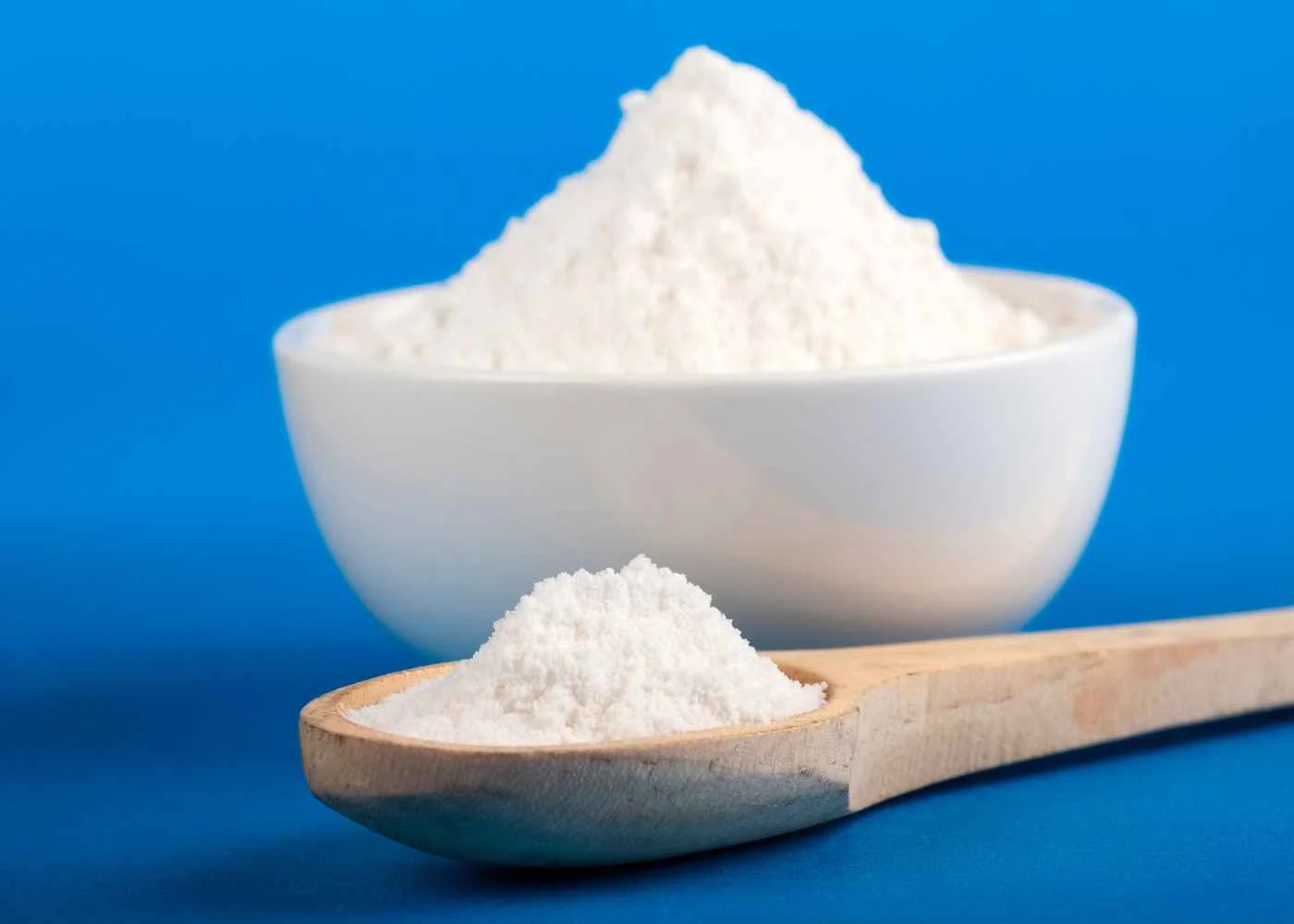
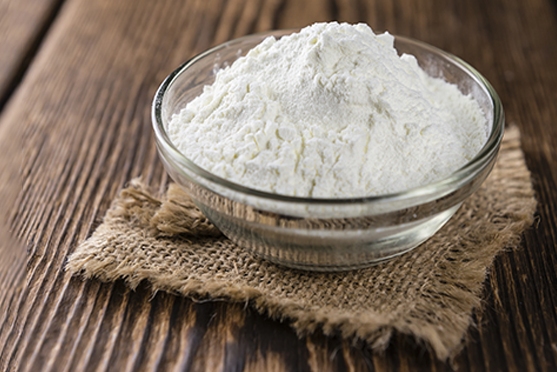
Sodium Stearate is the sodium salt of stearic acid and has the chemical formula of C18H35NaO2 (CAS No. 822-16-2). It mostly has the appearance of a fine white powder that has a characteristic soapy feel.
The molecular arrangement allows the compound to connect oily and watery phases effectively. Because of this amphiphilic character, it performs well as an emulsifier and as a dispersing aid. Industrial versions such as Raize SS-P display strong heat resistance, with a melting range of 210-220°C. That stability suits demanding high-temperature operations.
Performance in Plastic and Rubber Manufacturing
Plastic and rubber producers count on Sodium Stearate to protect polymer quality throughout tough processing steps.
Enhancing Processing Efficiency as a Lubricant and Stabilizer
Friction creates serious difficulties inside polymers. During extrusion or molding operations, friction arises between polymer chains internally and between the melt and equipment surfaces externally. Both types cause energy waste and surface flaws. Sodium Stearate acts as a strong lubricant that lowers resistance and promotes even melt flow. At the same time, the compound functions as a heat stabilizer in materials like PVC. It helps stop breakdown or color changes that occur under prolonged high heat.

Reducing Machine Friction and Thermal Degradation
- The Problem: A PVC pipe producer dealt with repeated line stoppages. Yellow discoloration appeared in the product, and extruder screws showed rapid wear from excessive frictional heat.
- The Solution: The plant added Raize SS-P to the compound and took advantage of its combined lubricating and stabilizing effects.
- The Result: Discoloration disappeared thanks to better heat resistance. Lower frictional heat extended the service life of machine parts by 25%.
The Secret Ingredient in Food and Feed Science
Sodium Stearate shows its wide usefulness in food and animal feed production, where safety and reliable function matter greatly.
Emulsification and Anti-Caking for Product Consistency
Uniform texture remains a key goal in food manufacturing. Sodium Stearate works as an emulsifier that keeps fat and water phases from separating. It also excels as an anti-caking agent. The powder coats individual grains in dry mixes, blocks moisture pickup, and stops clumping.
Preventing Clumping in Powdered Food Ingredients
- The Problem: A manufacturer of powdered seasoning blends received frequent customer complaints about clumping and difficult flow in warm, humid regions. Automated filling equipment struggled as a result.
- The Solution: The company added a modest amount of food-grade Sodium Stearate to serve as an anti-caking component.
- The Result: The powder stayed loose and easy to handle even under high humidity. Packaging waste dropped sharply, and customers received a steady product every time.

Versatility in Personal Care and Detergent Formulations
Anyone who has handled bar soap or a rich lotion has probably experienced the effects of Sodium Stearate.
Stabilizing Oil-in-Water (O/W) Emulsions
A number of cosmetic creams and makeup products require Sodium Stearate as the base ingredient. Sodium Stearate is capable of suspending oil-soluble nutrients in a water-based solution. This gives the product a smooth and light texture.
Shaping and Viscosity Control in Solid Cleaners
Solid detergents and bar soaps rely on Sodium Stearate for more than cleaning action. The material serves as a shaping aid that gives the block proper firmness and structure. Products hold their shape during repeated use. Cleaning performance improves, and lather develops more readily.
Building and Paper Industry Applications: Waterproofing and Sizing
Sodium Stearate extends its role beyond everyday consumer goods into construction and paper products.
- Building Materials: Contractors apply the compound as a waterproofing additive. It lowers porosity in concrete and masonry, which blocks water penetration and helps structures last longer.
- Paper Industry: The substance works as a sizing agent on paper surfaces. Smoother finishes result, ink soaks in less deeply, print sharpness increases, and overall paper strength rises. These qualities prove valuable for premium packaging and office stationery.
Why Partner with Raize for Your Additive Needs?
Selecting a chemical supplier involves more than obtaining material. Reliability and practical knowledge play equal roles. Raize has established itself as a dependable source for additives used in plastics, food, and feed production worldwide.
Technical Excellence of Raize SS-P Grade
Raize SS-P represents the company’s primary Sodium Stearate offering, built with close attention to detail.
- Metal Content: 7.8-8.0% delivers steady chemical behavior.
- Purity: Heating loss stays at ≤ 3.0%, and free acid remains ≤ 2.0%. These low levels prevent unwanted interference with the main formulation.
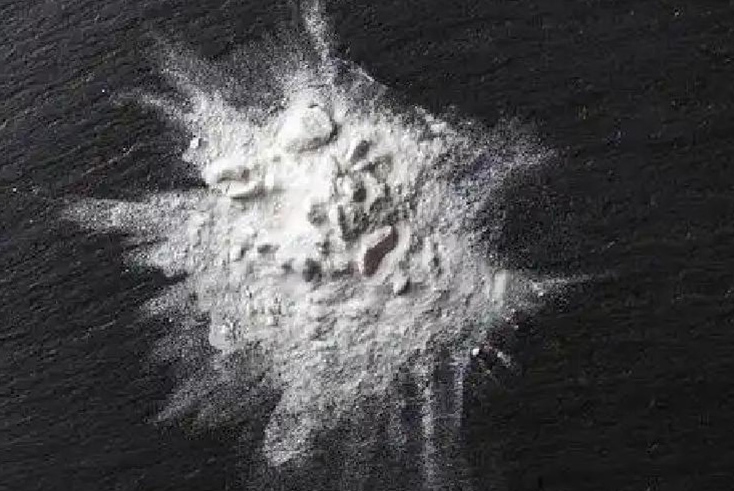
- Dispersion: Mesh sieve residue measures ≤ 1.0% at 150μm. The fine powder mixes quickly and uniformly in both liquid and solid systems.
Global Reach, Affordable Pricing, and No-MOQ Flexibility
Raize supplies products that match the performance of leading global brands while keeping costs noticeably lower. The company also addresses common supply chain difficulties. A No-MOQ policy allows orders of any size, so customers match purchases to current production levels. Mixed shipments remain available. Clients combine Sodium Stearate with related items such as Calcium Stearate or Zinc Stearate in one efficient delivery.
Ready to enhance your product performance?
Whether technical documents like COA, TDS, or MSDS become necessary, or a free sample (up to 500g) seems helpful, the Raize team stands ready to assist.
- Email: elma@raizechem.com
- WhatsApp/Phone: 0086-13567125417
FAQ
Q: Is Sodium Stearate safe for use in food-contact packaging?
A: Yes. Sodium Stearate receives wide acceptance for food-contact uses. Several related Raize products, including PETS lubricants and stabilizers, carry FDA approval. Full certification documentation supports compliance with international health and environmental rules.
Q: How does the “bulk density” of Sodium Stearate affect my manufacturing process?
A: Bulk density for Raize SS-P stays at ≤ 300 g/L. That value influences the volume the powder takes up and the way it moves through hoppers. Steady bulk density supports precise dosing in automatic equipment. It helps avoid uneven feeding or clumping inside the production line.
Q: Can Sodium Stearate be used as an adhesive?
A: Yes, in certain specialized cases. The compound serves as a binder for joining paper components with natural glues. Its influence on viscosity and surface tension makes it suitable for selected paper crafts and adhesive tasks.
Q: What is the typical lead time for international shipments from Raize?
A: Orders generally ship within 15-20 days following confirmation. We handles exports to more than 50 countries, including regions in the Middle East, South America, Europe, and Africa.

Post Comment