




In today’s quick-paced polymer production, what separates a solid finished item from a load of waste usually boils down to how well the additives work in the process. Extrusion and injection molding heat up more, and run times drop. So manufacturers keep fighting against rubbing heat, material wear-out, and tool damage.
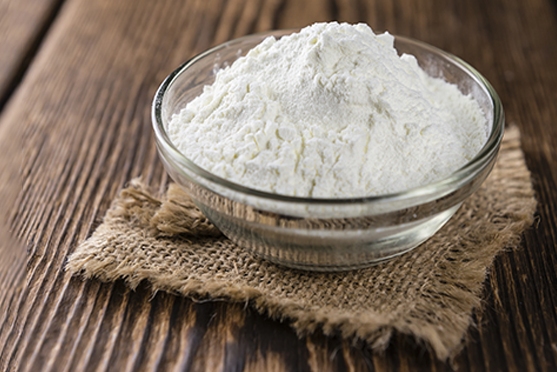
Magnesium Stearate has become a vital but quiet leader in these factory uses. As a focused maker, Raize offers solid Magnesium Stearate made just to handle the hard needs of plastics and polymer areas.
The Critical Role of Magnesium Stearate in Modern Polymer Science
Magnesium Stearate is a metal soap mix that handles several tasks all at once. It differs from basic additives. Its special build lets it connect well with the polymer melt and the metal parts of machines. In factory runs, folks value it mainly for steady chemistry. Plus, it serves as a lubricant, no-stick helper, and heat guard.
Makers who deal with tough polymers or touchy stuff like Polyvinyl Chloride (PVC) find Magnesium Stearate more than a choice. It is a must for keeping the build strong and looking good.
Understanding the Dual Mechanism: Lubrication and Thermal Stability
Magnesium Stearate’s flexibility shows in its two-part work during the warm-up and forming steps of making.
Superior Internal and External Lubrication
In polymer handling, lubrication means two clear wants:
- Internal Lubrication: Magnesium Stearate cuts the rubbing between polymer links. This brings down melt thickness. As a result, plastic flows better through detailed die ends. It skips the need for too much power or warmth.
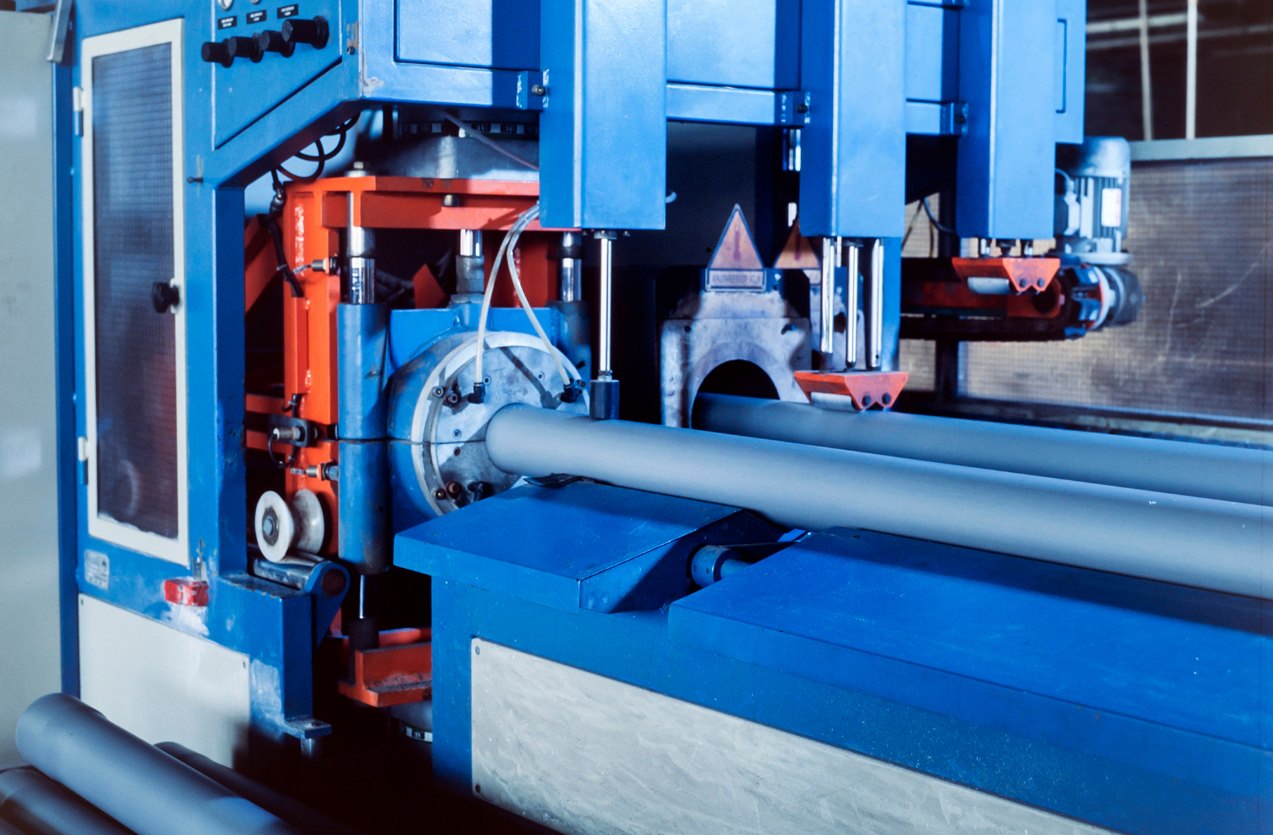
- External Lubrication: It builds a slim guard layer between the polymer melt and metal faces of the extruder or mold. This keeps material from clinging to gear. Therefore, it lowers plate-out and machine stop time.
Acting as a Secondary Heat Stabilizer for PVC
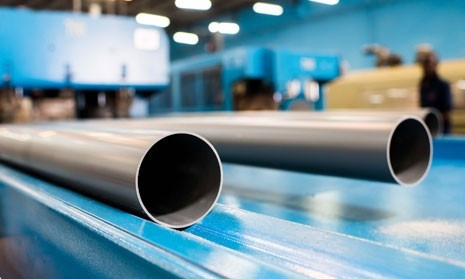
A key spot for Raize Magnesium Stearate is the PVC field. PVC catches heat breakdown fast during work. That can cause gas loss and scorching. Magnesium Stearate gives the main heat stability for goods from tough pipes to soft camera bits. It makes sure the polymer stays whole in high-heat melting.
Spotlight on Raize MS-P: Technical Specifications and Performance Advantages
At Raize, we built the MS-P type of Magnesium Stearate. It acts as a clean stand-in for costly world brands. Buyers get top-level work at a fair price.
High Purity and Consistent Particle Size
Our MS-P type stands out with close quality checks:
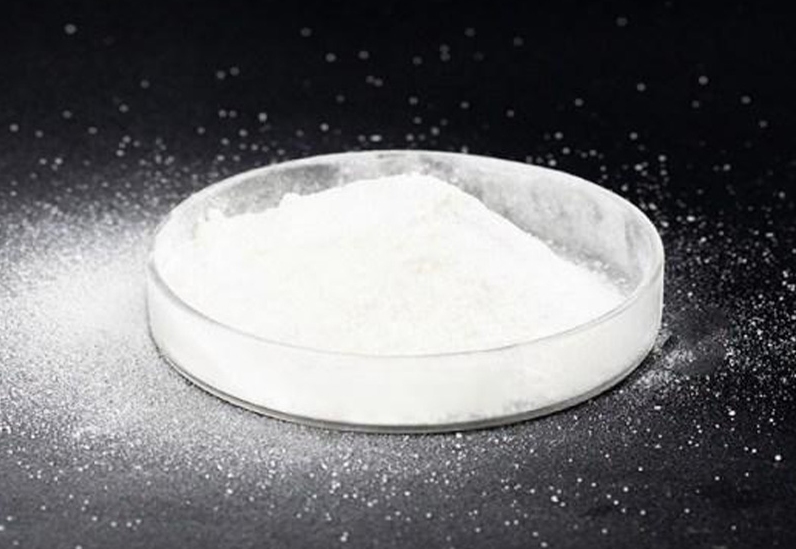
- Appearance: Fine white powder.
- Metal Content: 4.2% – 4.8%.
- Melting Point: 130°C – 145°C, ensuring it remains stable at standard processing temperatures.
- Mesh Sieve Residue: ≤ 1% (at 75μm), which guarantees excellent dispersion without clogging fine filters or causing surface defects in thin-walled products.
Exceptional Thermal Stability and Low Volatility
The MS-P type is set for low heat loss and low free acid. This sharp detail means the additive goes into hot melt without making bad gas or holes in the end product. It stays firm in rough spots. Thus, it keeps the base polymer’s strength traits.
Magnesium Stearate Applications: Solving Common Challenges in Polymer Processing
To grasp the worth of Raize goods, check the exact build snags they clear.
Preventing Thermal Degradation in Rigid PVC Processing
- The Problem: A maker of PVC shapes sees yellowing and weak marks in goods from hot areas in the extruder tube.
- The Solution: By adding Raize Magnesium Stearate (MS-P), the maker gets an extra heat guard that pairs well with lead guards.
- The Result: The additive stops gas release and wear. It leads to a steady white shine and better hit strength.
Enhancing Dispersion in High-Loading Masterbatches
- The Problem: A masterbatch builder fights clumps of unblended color that make lines in the last plastic sheet.
- The Solution: Magnesium Stearate works as a strong spread aid. It wraps the color or filler grains. This cuts their edge pull. Then, they spread out flat in the polymer web.
- The Result: Color spreads more evenly. It also cuts color waste a good deal.
Improving Surface Finish and Demolding in Injection Molding
- The Problem: In building tricky factory plastic pieces, goods often cling to the mold. This brings pusher marks and lots of rejects.
- The Solution: Using Raize Magnesium Stearate as a mold pull aid.
- The Result: The no-cling traits give easy pull from the mold space, even for detailed shapes. It brings a mild, even facial feel and faster makeup speed.
Why Choose Raize as Your Industrial Additive Partner?
Raize began in 2016. Its main group has over 15 years of field skills. We do more than sell. We mix study, deals, and fit fixes.
- Global Recognition: Our products are exported to over 50 countries across the Middle East, South America, Europe, and Africa.
- Flexible Logistics: We offer a unique No MOQ policy and support Mixed Shipments, allowing you to consolidate various additives—like our Calcium Stearate, Zinc Stearate, or Antioxidants—into a single, efficient delivery.
- Quality Assurance: Every batch undergoes rigorous testing to ensure it meets the strictest environmental and health standards.
Maximize your production efficiency today. Whether you are looking for a reliable heat stabilizer for PVC or a superior lubricant for engineering plastics, Raize is ready to support your goals.
Contact us at elma@raizechem.com or call 0086-13567125417 to request a free 500g sample of MS-P Magnesium Stearate and elevate your processing standards!
FAQ
Q: How does Magnesium Stearate compare to Calcium Stearate in PVC stabilization?
A: While both provide lubrication, Magnesium Stearate is often preferred in specific formulations where higher thermal stability and lower volatility are required to prevent material degradation at extreme temperatures.
Q: Can Magnesium Stearate affect the transparency of clear plastic products?
A: If used at the correct dosage and with a high-purity grade like Raize MS-P, it has minimal impact on transparency. However, its excellent dispersion properties often help maintain a clearer, more uniform appearance compared to lower-grade alternatives.
Q: What is the recommended dosage of Magnesium Stearate for polymer processing?
A: Dosage typically ranges from 0.05% to 1.0%, depending on the polymer type and processing method. We recommend starting with a small trial using our free 500g samples to find the optimal balance for your specific machinery.
Q: Does Raize provide technical documentation for international shipping and compliance?
A: Yes, we provide full COA (Certificate of Analysis), TDS (Technical Data Sheet), and MSDS (Material Safety Data Sheet) for all shipments to ensure smooth customs clearance and safety compliance.



Post Comment