




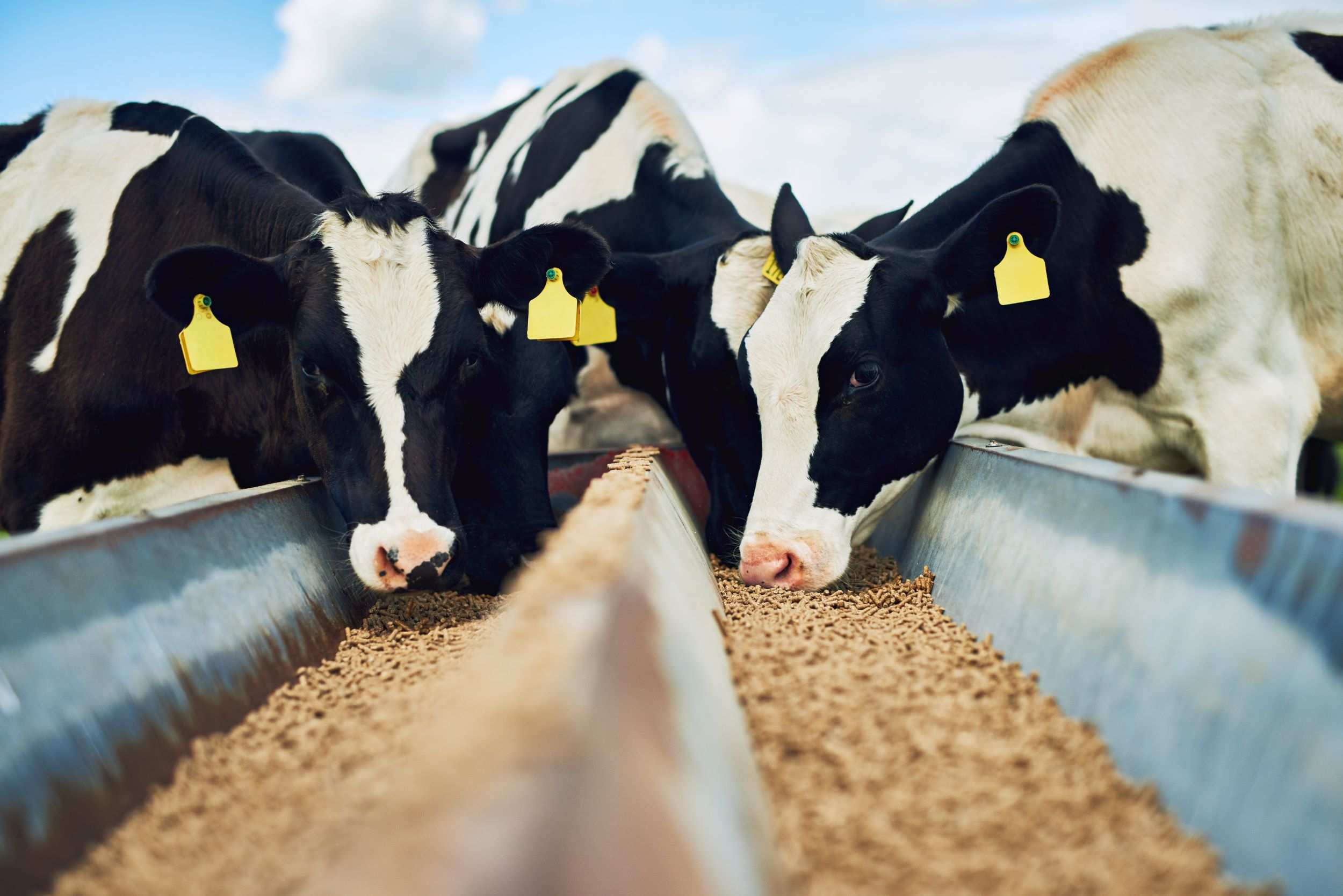
In modern livestock farming, keeping animals healthy while dealing with higher costs for raw materials remains a daily challenge. Feed additives have moved from extra options to key parts of the system. They help improve feed conversion, support immunity, and protect farm profits. At Raize, we draw on our chemical knowledge to create high-quality feed additives. These match the standards of big international names but come at better prices. This setup lets producers around the world get steady outcomes in their operations.
Classifications and Key Functions of Feed Additives
To put together a solid nutritional plan, producers need to see how various feed additive types work inside the animal’s digestive system.
Short-Chain Triglycerides (SCTs) for Gut Integrity
These products focus on health in both the upper and lower parts of the intestine. They supply a steady energy source that epithelial cells can use right away.
- Tributyrin(99% Min Content): Made through the esterification of butyric acid and glycerol, this stable form gets absorbed quickly. It holds off releasing its active parts until it reaches the intestine.
- Intestinal Barrier Reinforcement: The additive builds up the tight junctions in the epithelial layer. This step stops leaky gut issues and keeps harmful pathogens from getting through.
- Metabolic & Hematopoietic Support: In addition to gut benefits, Tributyrin aids liver cell mitochondria. It helps cut down on insulin resistance and supports hemoglobin production, which eases anemia in fast-growing animals.

Medium-Chain Monoglycerides for Pathogen Control
This group emphasizes biosecurity and serves as an alternative to older antibiotic growth promoters through strong non-ionic antimicrobial effects.
- Glycerol Monolaurate(GML, ≥90% Content): A clean white powder that stays in its active non-ionic form over a broad pH range. This trait makes it work well throughout the digestive tract.
- Disruption of Bacterial Membranes: GML acts against Gram-positive bacteria such as Streptococcus and Clostridium. It weakens their phospholipid membranes in the process.
- Superior Potency: Its molecular stability gives GML antibacterial strength roughly four times greater than that of free lauric acid.
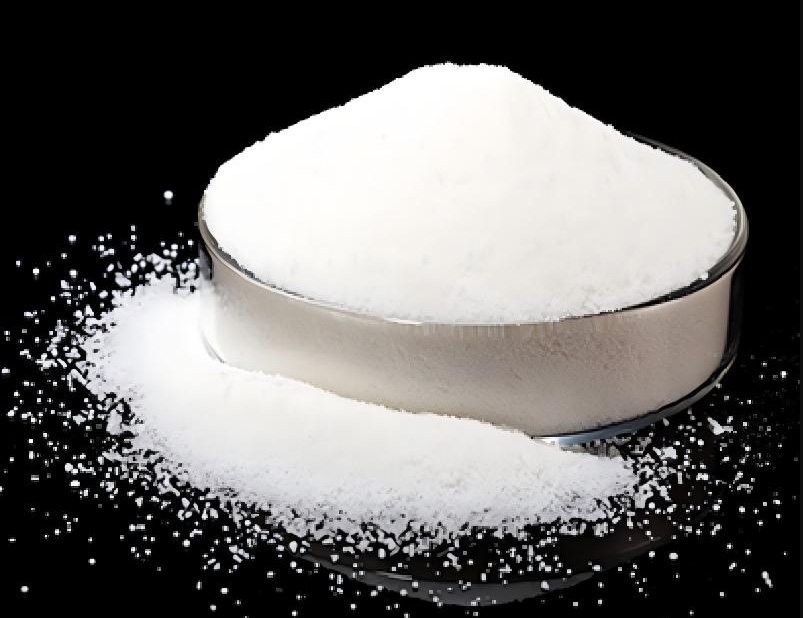
Specialized Feed Emulsifiers for Nutrient Optimization
These additives connect fat intake with the digestive enzymes. They help bring down expenses in feed formulas.
- Monoglyceride-Based Blends: Raize supplies targeted choices like Glycerol Monostearate (HLB 3.8–4.2) and Polyglycerin Stearate (HLB 5–8). These fit different feed types.
- Surface Tension Reduction: The emulsifiers decrease tension at the water-oil boundary. This change spreads lipids more evenly through the feed mix.
- Chylomicron Formation: In the small intestine, they speed up chylomicron development. That process moves fat-soluble vitamins and other nutrients across the intestinal wall more smoothly.
High-Energy Feed Fats for Growth Acceleration
Concentrated energy sources meet the heavy demands of today’s commercial breeds.
- Hydrogenated Palm Stearin & Soybean Oil: Offered in powder or flake forms with set melting points from 58°C to 70°C. These suit processing needs.
- Efficient Caloric Delivery: The plant-based oils skip early digestion stages. They break down cleanly into free fatty acids once in the intestine.
- Fattening Optimization: They work as supports mixed into feeds or as direct fat powders. This approach raises daily gains and shortens overall production cycles.
Smart Applications: Solving Livestock Challenges
Using feed additives in a planned way helps address particular issues with animal physiology and farm conditions.
Mitigating Post-Weaning Stress in Piglets
Moving from milk to solid feed often causes villus shrinkage and diarrhea linked to pathogens in young pigs.
- The Challenge: Young digestive systems have trouble handling complex fats. This leads to extra bacterial growth in many cases.
- The Raize Solution: A mix of Tributyrin and GML creates combined protection. Tributyrin speeds repair of the damaged villi while GML controls Clostridium numbers. It does this without major harm to helpful microbes.
- The Outcome: Better uptake of nutrients follows, along with fewer cases of post-weaning diarrhea. The shift to starter diets goes more smoothly as a result.
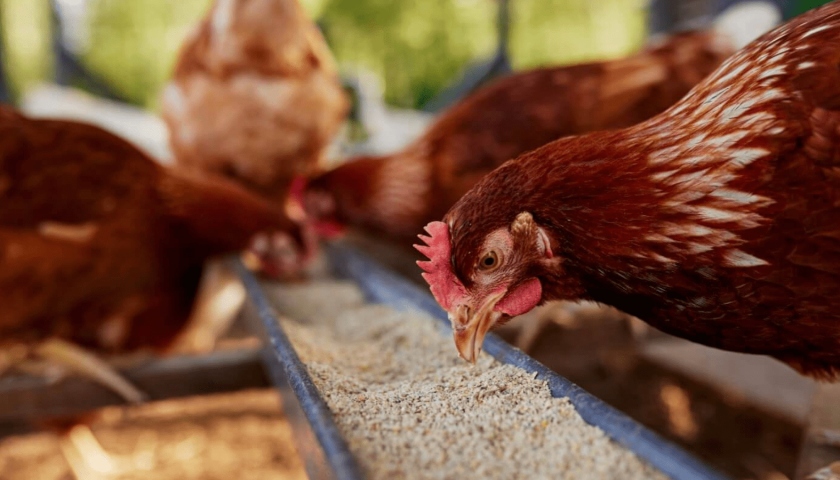
Enhancing Broiler Performance and Meat Quality
Fast-growing birds need quick bone and muscle development. This process puts pressure on their internal systems.
- The Challenge: Incomplete fat breakdown creates greasy litter, raises feed conversion ratios, and adds strain to the liver.
- The Raize Solution: Pairing high-HLB feed emulsifiers with Hydrogenated Palm Stearin improves how energy gets used.
- The Outcome: The emulsifier breaks dense fat into absorbable forms. This step lowers feed conversion ratios, guards liver condition, and cuts sticky droppings to keep houses cleaner.
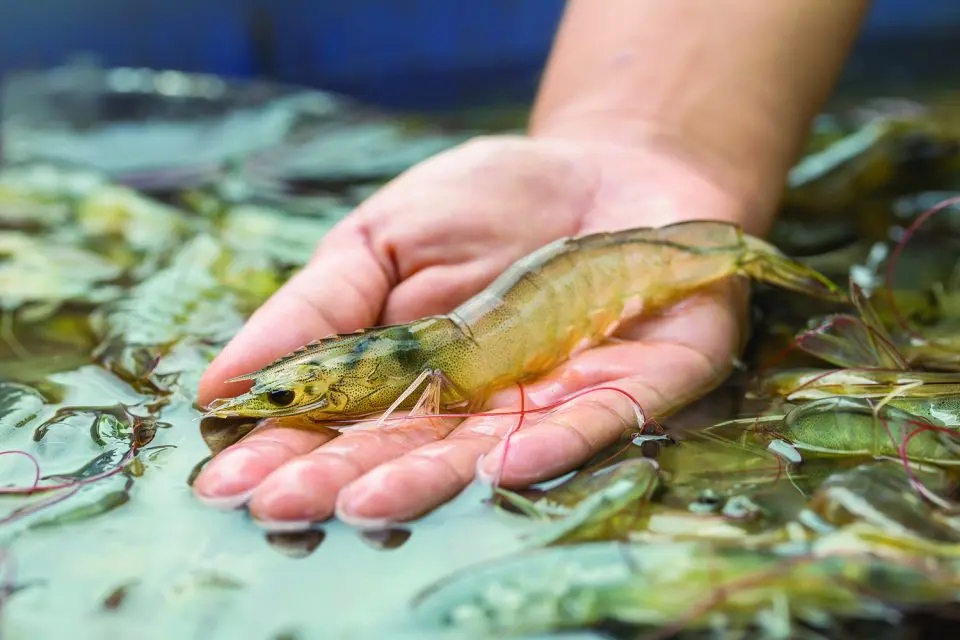
Optimizing Aquafeed Stability and Digestibility
Feeds for fish and shrimp call for special traits such as water stability and suitable lipid levels for species in cooler waters.
- The Challenge: Pellets from extrusion can lose oil or let nutrients wash out quickly underwater.
- The Raize Solution: Tributyrin acts as a binder and flavor component. Combined with the emulsifier lineup, it reduces the use of raw materials.
- The Outcome: Oil and water stay together better during extrusion. Stable links form with starches to limit swelling in water. Pellets end up with improved taste and texture overall.
Elevate Your Feed Performance with Raize
Good results in livestock production come from picking the right chemical forms and purity levels for additives. Hangzhou Raize Chemical Co., Ltd. provides a wide range of tested products. These cover gut health items to advanced emulsifiers. The company backs them with technical help worldwide and keeps delivery times around 15 to 20 days.
Producers ready to improve their feed mixes can reach the technical team. We offer free documents such as COA, TDS, and MSDS. Free samples up to 500g are also available.
- Email: elma@raizechem.com
- WhatsApp/Phone: 0086-13567125417
FAQ
Q: How do non-ionic monoglycerides like GML compare to traditional organic acids in feed?
A: Traditional free fatty acids and organic acids turn ionized in neutral pH conditions. This change weakens their ability to fight microbes. Non-ionic monoglycerides such as GML keep their structure steady across different pH levels in the gut. They deliver up to four times the antibacterial effect in practice.
Q: Why is Tributyrin preferred over pure butyric acid in commercial feed production?
A: Pure butyric acid evaporates easily, causes corrosion, and has a very strong smell that makes handling difficult during manufacturing. Tributyrin comes as a stable, clear liquid with almost no odor. It holds up through heat steps in feed production and releases the active acid only in the right spot in the intestine.
Q: What economic benefits do nutritional emulsifiers bring to feed mills?
A: These emulsifiers reduce surface tension between water and oil in the feed. Animals then digest lower-cost, high-density fats more completely. Nutritionists can adjust formulas with less total fat while animals maintain similar growth and performance levels.
Q: How do hydrogenated feed fats improve pellet physical quality?
A: Their higher melting points, between 58°C and 70°C, let them serve as steady binders in conditioning and pelleting. The fats limit oil movement and leakage. Finished pellets keep their nutritional value through storage and mechanical handling on the farm.

Post Comment