




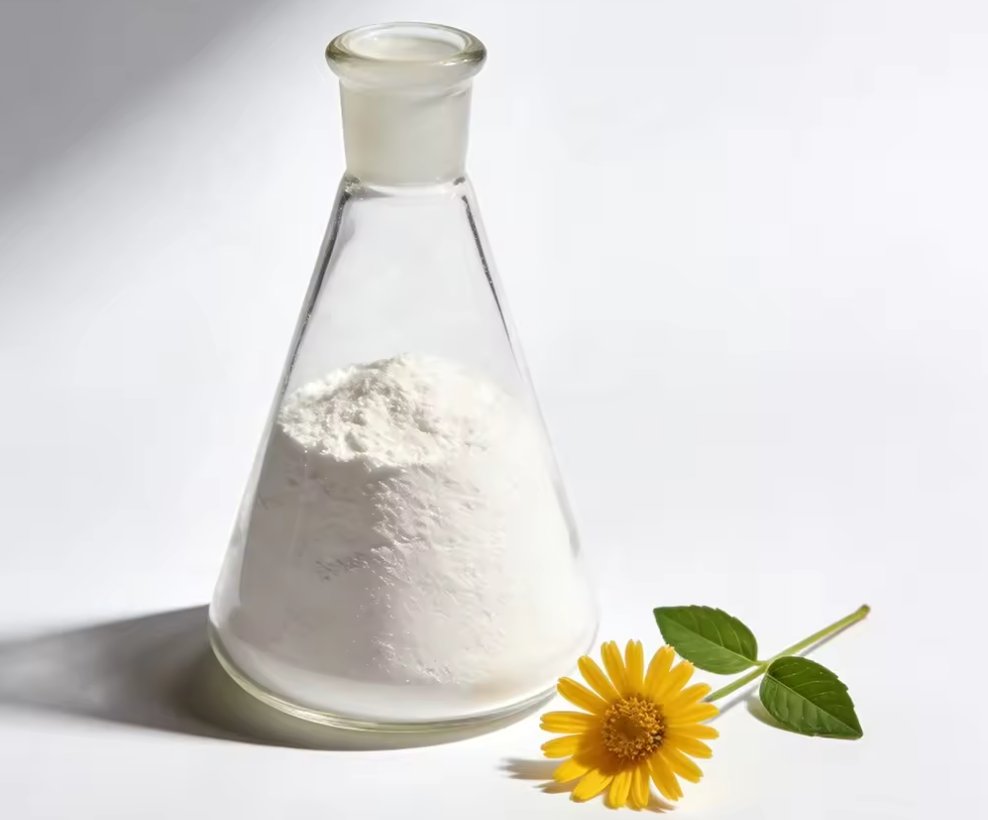
In today’s food sector, producers face more than just the task of extending product life. They must do this while keeping a simple ingredient list and preserving the taste and feel of the item. Glycerol Monolaurate (GML), sometimes called Glycerin Monolauric, stands out as a smart choice. It works well as a strong emulsifier and a wide-ranging antimicrobial substance at the same time.
At Raize, we draw on more than 15 years of production know-how to make GML that fits the strict needs of worldwide food, plastic, and feed markets. Our GML 90 gains global recognition as a quality food additive. It occurs naturally in breast milk, which highlights its built-in safety and natural fit with living systems.
The Science of Safety: Understanding GML as a Natural Powerhouse
Bridging natural biological defenses with industrial precision, Raize utilizes advanced extraction and purification to deliver consistent performance in every batch.
From Nature to the Processing Line
GML serves as a fat-loving non-ionic surfactant that appears naturally in some plants and animal parts. Its role in human breast milk offers one of its strongest points. This gives babies a built-in shield against germs. In factory settings, Raize GML turns this natural guard into a reliable white powder. The form makes it simple to add to different manufacturing processes.
Regulatory Superiority and Non-Toxicity
A key strength of GML comes from its outstanding safety record.
- High LD50 Value: With an LD50 above 10g/kg, GML counts as a non-toxic food additive.
- Dosage Flexibility: In various regions, including the approval from the Chinese Ministry of Health in 2005, GML can go into any food category without a firm maximum amount. This lets makers include it based on their exact needs for function.
- Certified Quality: Raize makes sure each batch follows FSSC22000 and ISO9001 guidelines. We also hold Halal and Kosher approvals to aid sales around the world.
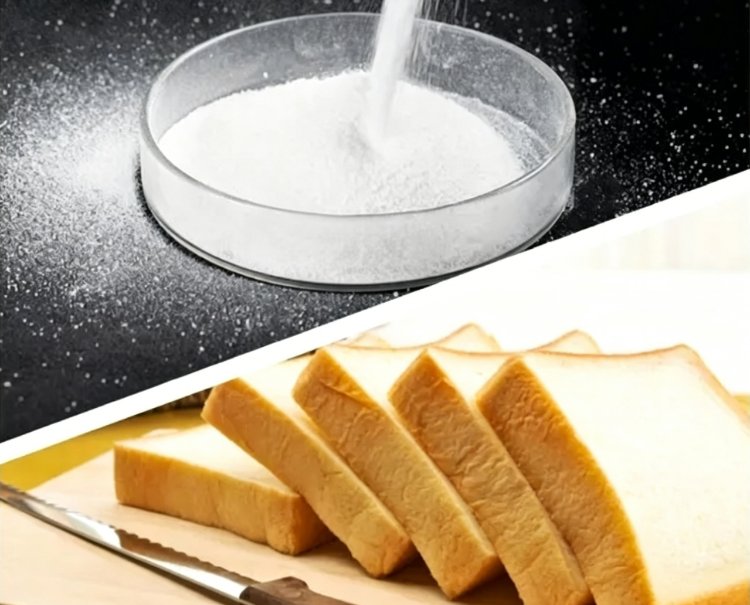
Dual-Functionality: The Synergy of Emulsification and Preservation
Unlike older preservatives that focus only on stopping germ growth, GML acts as a versatile ingredient. It boosts the physical makeup of food and guards it against spoiling.
Broad-Spectrum Antibacterial Mechanisms
GML performs better than many rivals in tough spots. It attacks the outer layers of tiny organisms. This stops the spread of several types effectively.
- Gram-Positive Bacteria: It delivers the top blocking power against Listeria monocytogenes, Staphylococcus aureus, and Bacillus subtilis.
- Gram-Negative Bacteria: It offers solid control over Helicobacter pylori and Escherichia coli.
- Spoilage Microorganisms: It blocks the rise of typical yeasts and molds. These often cause bad tastes and clear signs of decay.
Enhancing Food Texture
As an E471 emulsifier, GML lowers the surface tension between oil and water. This leads to even mixing that avoids splitting in sauces, dressings, and milk-based items. The result brings a silkier feel in the mouth and a steadier look overall.
Critical Application Scenarios: Solving Processing Challenges
Raize GML shows its real worth by tackling everyday issues in production.
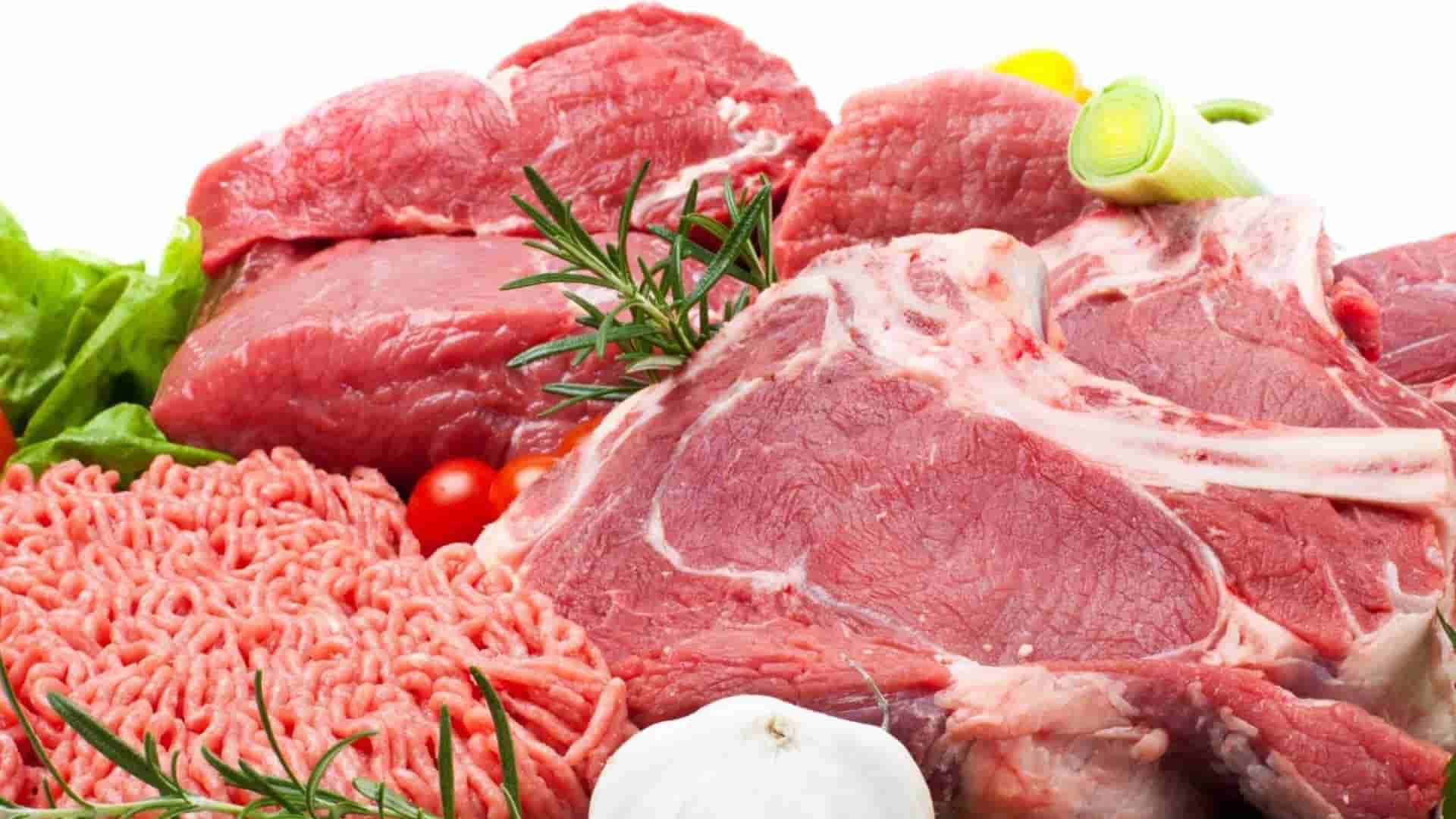
Preservation and Freshness in Meat Products
Handling meat often involves dangers from Listeria and Clostridium botulinum. These threats can spoil batches quickly if not checked.
- The Problem: Plenty of water and rich nutrients turn meat into a perfect spot for harmful bacteria to grow.
- The GML Solution: Adding 0.1–0.5g/kg of Raize GML can greatly cut down these risks. Since GML holds up well to heat, processes like high-heat killing or mild heating keep its germ-fighting and mixing powers intact. This safety carries from the plant to the buyer’s home.
Stability in Bakery and Flour Goods
Bakers aim mainly to hold onto soft insides and stop goods from going stale fast.
- The Problem: Items like bread and rolls lose water and turn hard through a process called retrogradation, often just a few days after baking.
- The GML Solution: GML works to soften the inside and fight staling. It links with starch parts to slow down the hardening. At the same time, it sets up an extra wall against mold, helping baked items stay fresh longer.
Emulsification in Dairy and Protein Beverages
- The Problem: Drinks high in protein tend to have fat rising to the top or solids settling at the bottom over time in storage.
- The GML Solution: GML helps create a steady mix, so fats and proteins stay spread out. This proves especially handy in non-dairy milks and health drinks, where buyers expect a smooth, even creaminess every time.
The Raize Advantage: Technical Specifications and Product Excellence
Picking Raize means selecting a product built for top results. Our GML 90 brings clear technical edges.
- High Purity: The content reaches ≥90%, so each kilogram delivers more working material than cheaper options.
- Stringent Contaminant Control: We keep Lead (Pb) at ≤1.0 mg/kg and Arsenic (As) at ≤3.0 mg/kg. These levels go beyond basic safety rules.
- Thermal Stability: GML keeps its structure through hot processing steps. This matters a lot for canned or heat-treated foods.
- Synergistic Potency: Pairing GML with items like Nisin or potassium sorbate widens the fight against germs. It allows smaller amounts of other additives overall.
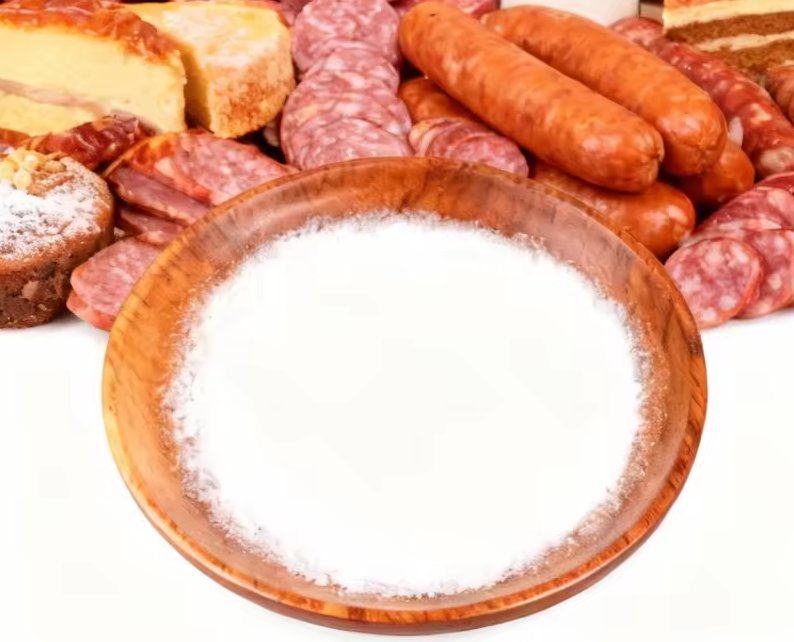
Product Details at a Glance
| Item | Specification |
| Appearance | White powder |
| GML Content | ≥90% |
| Melting Point | 45-55 °C |
| Acid Value | ≤2.5 (as lauric acid) |
| Shelf Life | 24 months |
Moving Toward Clean-Label Success
Glycerol Monolaurate goes beyond a basic additive. It acts as a key aid for food makers who won’t settle for less in safety or quality. When you add Raize GML to your mixes, you can cut back on man-made chemicals, improve the feel of the product, and secure lasting protection from microbes.
Ready to elevate your food formulations?
At Raize, we provide tailored options, free samples up to 500g, and no minimum order quantity (MOQ). These help you try new ideas without roadblocks. Our goods earn trust in more than 30 nations, including spots in the Middle East, Europe, and South America.
Contact us today to request a quote or a technical consultation.
- Email: elma@raizechem.com
- Phone/WhatsApp: 0086-13567125417
FAQ
Q: Why is GML considered better than traditional preservatives like sodium benzoate for meat products?
A: Unlike many lab-made preservatives, GML belongs to a natural group that breaks down in the body without traces. Plus, it brings both mixing and germ-blocking advantages, while most old preservatives handle just the germ part.
Q: How does the thermal stability of GML affect the food manufacturing process?
A: GML stays firm through mild heating and strong heat-killing steps. Makers don’t need to fret over the protection fading or breaking down in hot phases, a frequent trouble with additives that evaporate easily.
Q: Can GML be used in oil-in-water (O/W) and water-in-oil (W/O) emulsions?
A: Yes. GML acts as a flexible surface agent that eases the pull between oil and water. This makes it great for holding many mixed types steady, such as those in spreads, sauces, and lotions.
Q: Is there a specific temperature required to incorporate GML into a production batch?
A: For the best spread, dissolve GML in warm water at 60-90°C first, then blend it with base materials. Or, mix it ahead with other dry parts and stir right into the meat or batter.

Post Comment