




In the quick-moving area of plastic and rubber production, what sets a strong-profit item apart from a ruined lot often hinges on how well the added helpers work in the process. Out of the many choices for slip agents and steadying agents, Glycerol Monostearate (GMS) shows up as a useful all-rounder.
As a reliable expert of additives with over 15 years of rich experience, Raize is a specialized manufacturer engaged in chemical products research and sales for plastic, food, and feed industries. For those handling Polyvinyl Chloride (PVC) and similar workhorse plastics, grasping GMS helps with better flow, cleaner outer looks, and longer life for the machines.
What is Glycerol Monostearate (GMS) in the Industrial Context?
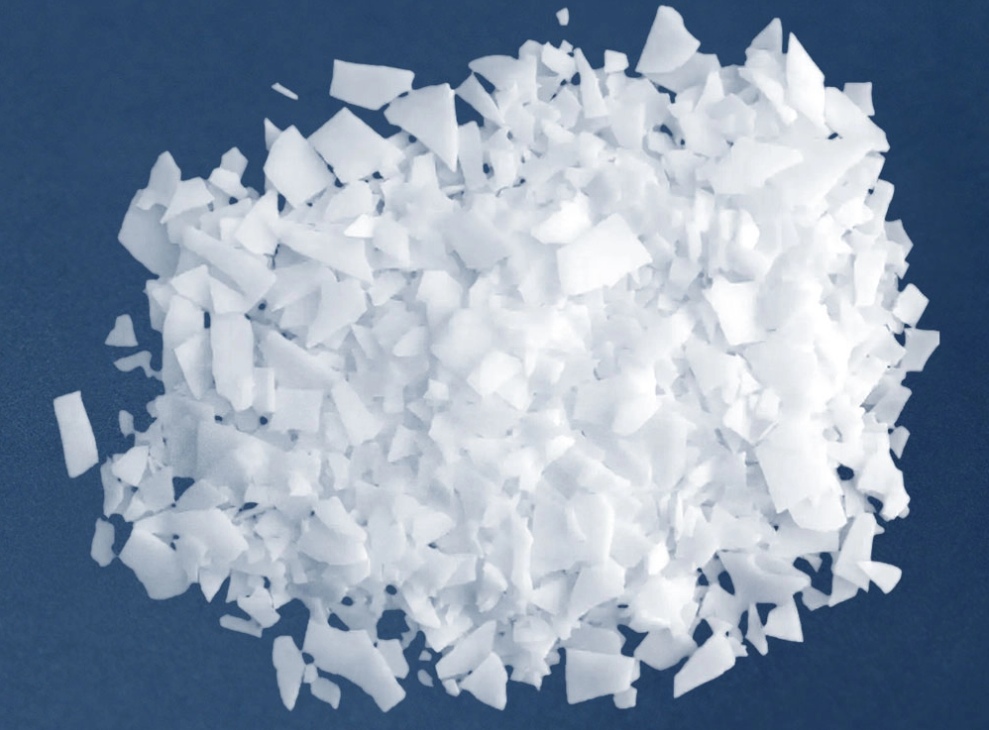
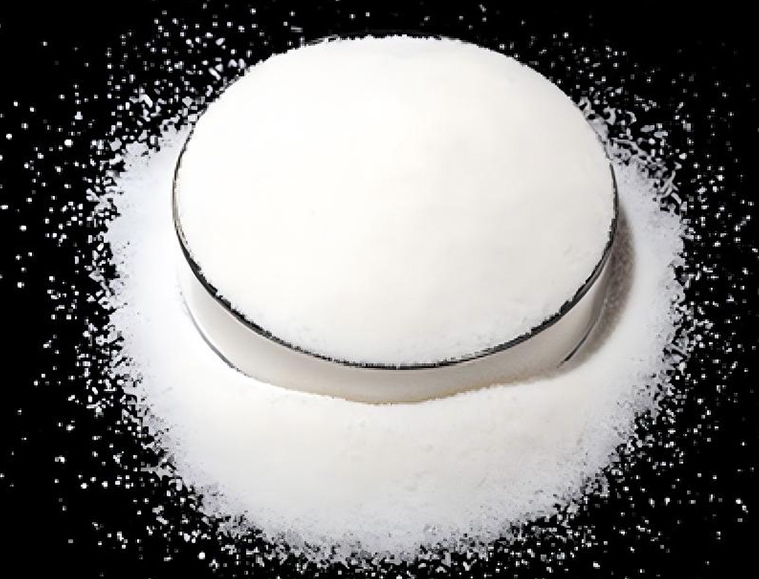
Glycerol Monostearate, or GMS for short, comes from stearic acid mixed with glycerol. In factory use, it shows as a white dust or flat pieces. Though known in food and other fields, in plastics, it serves as a key helper for making.
Chemical Composition and Physical Form
GMS has the makeup C21H42O4 and carries the CAS No. 31566-31-1. At Raize, we supply different types of GMS based on their single-glyceride amount—from P40 and T45 to purer ones like T60. Such options let makers pick the right strength for their plastic blend.
The “Internal-External” Lubrication Balance
GMS stands out since it works as both an inside and outside slip agent.
- Internal Lubrication: It cuts the friction between plastic links, which drops the thickness of the hot mix.
- External Lubrication: It stops the hot plastic from clinging to warm metal parts in pushers and forms. This gives a clean slide through the run.
Core Benefits: Why GMS is a Non-Negotiable for PVC Manufacturers
Anyone working with PVC faces steady issues: heat, weakness, and thick, hot flow. Raize’s GMS items fit right to tackle these points.

Reducing Melt Viscosity and Frictional Heat
When pushing out hard PVC, strong rubbing builds extra heat that can harm the plastic. GMS lowers the hot mix thickness. As a result, the stuff moves more easily at milder temperatures. This guards against heat damage and cuts power use in the gear by a good margin.
Enhancing Surface Brilliance and Finish
For end PVC goods like trim shapes or top pipes, a bright, mark-free outside matters a lot. GMS brings solid slip that leads to a gleaming layer. It clears up typical problems such as rough patches or uneven spots from poor flow.
Thermal Stability and Low Volatility
Today’s making often calls for hot work. Raize’s Distilled Glycerin Monostearate (DGMS) holds up well in heat and stays put without easy loss. So, the helper stays in the plastic base instead of steaming away or making air pockets in the end item.
The Practical Edge: Using GMS to Enhance Output and Product Integrity
GMS goes beyond book learning; it fixes issues right on the shop floor. Here’s how Raize goods help beat certain making blocks.
PVC Pipes and Profiles: Eliminating Melt Fracture
Making PVC pipes brings trouble with flow breaks when speeds rise. Adding Raize GMS cuts the rubber at the die edge.
- The Result: Quicker push rates keep the pipe’s build strength and even outer feel.
- Advantage: This means more output and lower costs per unit.

Electronic Packaging: The Anti-Static Shield
Buildup of static poses a big risk to electronic bits in shipping. GMS works well as a static fighter by drawing water to the plastic side.
- The Mechanism: It moves to the top and pulls in a slim coat of air dampness, which spreads out static buildup.
- Application: This proves vital for packing electronic parts and touchy plastic sheets.
Crystalline Plastics and Transparent Products: The Nucleating Effect
Dealing with crystal plastics makes clarity and even strength hard to get. Raize DGMS offers a strong start-point effect for see-through goods.
- The Solution: It helps form tiny, even crystals as it cools. This boosts the see-through quality and bend resistance in the stuff.
The Raize Advantage: Precision Additives for High-Performance Plastics
As a focused maker with more than 15 years of experience, Raize knows no two lines match up.
A Diverse Portfolio of GMS and DGMS
We supply a full set of lubricant, including:
- Standard GMS (P40/T52/T60): Flexible picks for basic slip and static fight.
- Distilled Glycerin Monostearate (DGMS): Pure choices for those needing top heat hold and better flow.
- EPS Coating Agents: Tailored mixes of GMS, Glycerol Tristearate (GTS), and Zinc Stearate for foam polystyrene uses.
Global Quality Standards at Competitive Prices
Raize goods match the work of leading world names but stay within reach. Each lot gets full checks for cleanliness and strength. Our plants stick to tight check rules. Plus, our No-MOQ policy gives makers room to try new mixes without high upfront costs.
Potential Side Effects and Management
GMS brings clear gains, but makers need to watch amounts to avoid “blooming.”
- Excessive Dosage: Too much GMS can make the side too slick or show a white coat (blooming) on the item later.
- The Raize Solution: Our build pros give full help, with COA, TDS, and MSDS, to find the right parts-per-hundred (phr) for your base plastic.
Conclusion: Elevating Your Manufacturing Standards
Glycerol Monostearate does more than slip; it acts as a key aid for makers seeking top-work, top-look plastic items. If you aim to cut static, boost shine on PVC shapes, or raise push output, Raize brings the know-how and goods to back your aims.
Ready to optimize your production line? Reach Raize now for solid GMS and DGMS options. We send free samples (under 500g) so you can see the Raize edge up close.
- Email: elma@raizechem.com
- WhatsApp: 0086-13567125417
FAQ
Q: How does the purity of GMS affect its performance in PVC extrusion?
A: Purer forms, like Raize DGMS (90% min monoglyceride), give better heat hold and less loss. This matters in fast, hot pushes where weaker helpers might break down.
Q: Can GMS be used alongside other lubricants like PETS or Calcium Stearate?
A: Yes. Many PVC mixes pair GMS as an inside slip with outside ones like Pentaerythritol Stearate (PETS) or Calcium Stearate to balance flow and release from forms.
Q: Does GMS affect the transparency of plastic films?
A: Used right, fine DGMS can serve as a start-point helper. It raises clarity in crystal plastics and stops haze in packaging.
Q: What is the typical lead time for a bulk order of GMS from Raize?
A: Regular shipments arrive in 15 to 20 days after order check, keeping your make plan on track.

Post Comment