




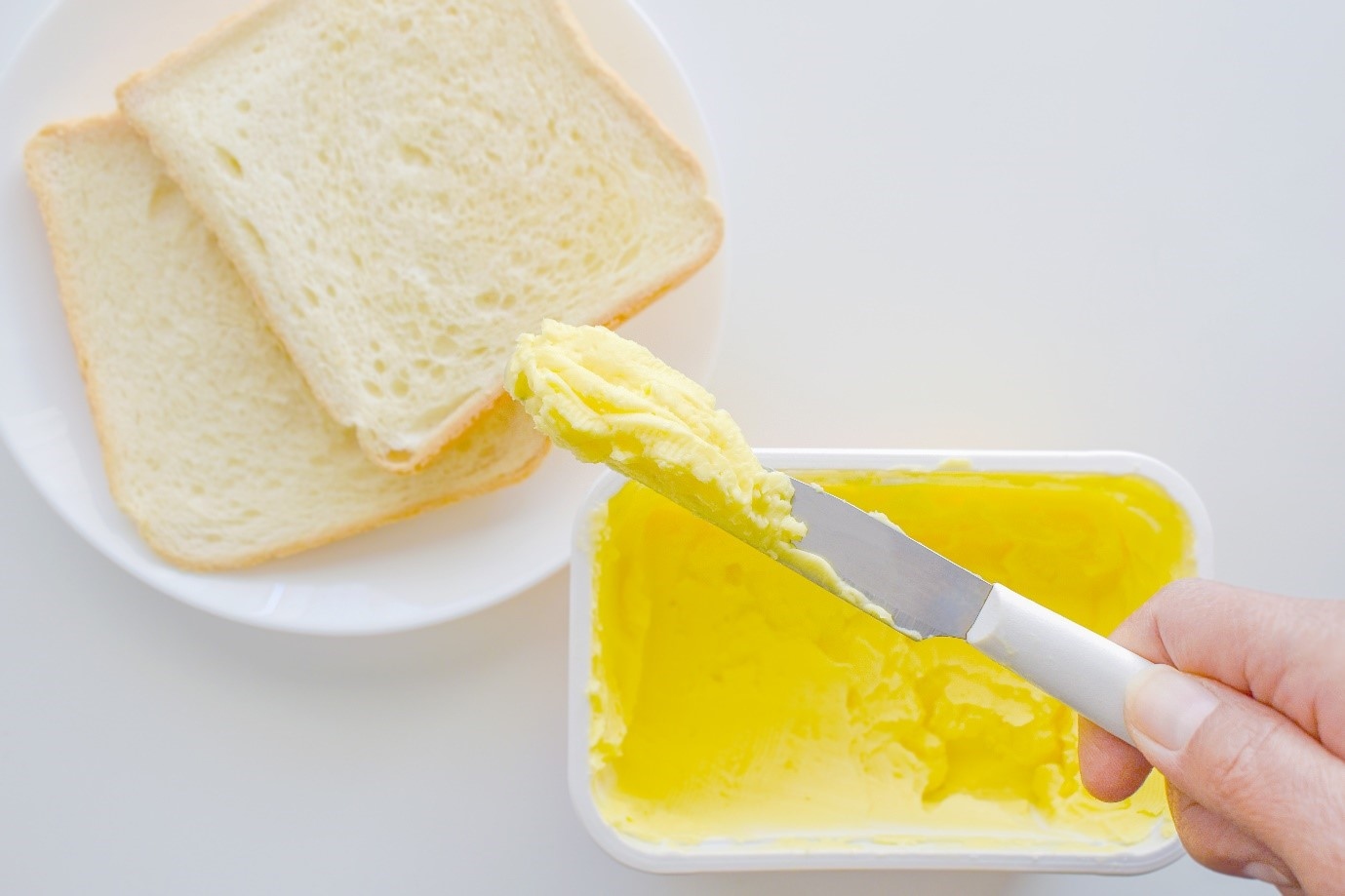
Food plants often deal with the task of holding texture, structure, and shelf life steady when recipes change. Polyglycerol Esters of Fatty Acids, known as E475 or PGE, serve as a useful ingredient. It supports the blending of water and oil phases in many food products.
Raize works as a global manufacturer with more than 15 years in specialty additives. The company provides high-purity emulsifiers. These help food processors reach uniform batches. Performance stays strong at competitive prices. Brands can address formulation problems without raising costs too much.
Understanding the Chemical Structure and Properties of PGE E475
It helps to understand the molecular makeup before adding this material to production. The structure shapes how the additive acts inside real recipes.
The Molecular Configuration of Polyglycerol Esters
The build of PGE sets the pattern for how it meets different food components.
- Composition Source: PGE forms from the reaction between polyglycerol and natural fatty acids.
- Surfactant Type: It acts as a non-ionic surfactant. Shifts in pH or salt levels do not change its action in a major way.
- Inherent Stability: The chemical design offers solid resistance to heat and acids. This fits products that face high temperatures or low pH settings.
Core Industrial Functions of PGE in Food Processing
PGE E475 handles several important tasks at once inside production lines.
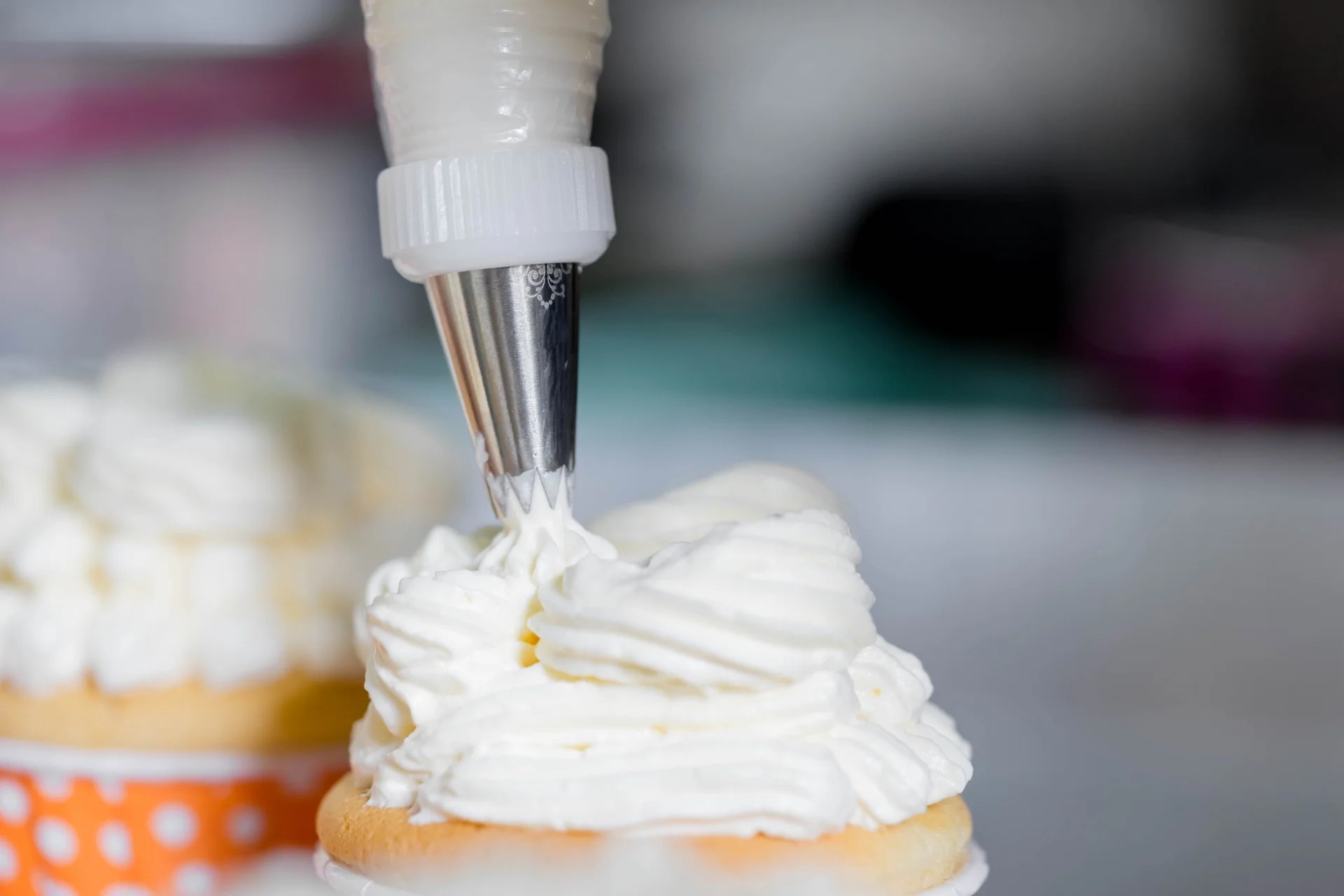
Exceptional Foaming and Aeration Properties
Getting the right amount of air into products matters for baked goods and whipped items.
- Whipping Efficiency: PGE reduces surface tension at the liquid-air boundary. Air gets trapped more quickly during mixing.
- Foam Stabilization: It forms flexible films around air bubbles. These films prevent collapse during baking or freezing.
- Volume Enhancement: Many bakeries see higher volume in cakes and pastries. Air stays evenly spread throughout the mix. This helps create a lighter texture that holds up well in daily production runs.
Robust Emulsification and Dispersion Capabilities
Keeping oil and water mixed smoothly is essential for many products.
- Fat Dispersion: PGE breaks fats into small, even droplets. They remain suspended in the batch.
- Synergistic Effects: It works well with other emulsifiers like GMS E471. This creates a stronger barrier against separation.
- Phase Separation Prevention: It stops oil from rising or water from leaking during storage. Temperature changes in warehouses do not cause issues. The result is a more stable product that maintains quality over time.
Where PGE E475 Solves Processing Bottlenecks
The real benefit shows up when factories face specific production issues.
Enhancing Cake Margarine and Shortenings
Bakeries often deal with varying whipping times and uneven crumb when using standard fats.
- Whipping Time Optimization: Adding Raize PGE to cake shortenings shortens mixing time. This helps increase daily output.
- Crumb Uniformity: It creates even air pockets inside cakes. Large holes that weaken the structure are avoided.
- Shelf Life Expansion: By holding moisture in the starch, it keeps baked goods softer for longer during transport and on shelves. Several commercial bakeries have extended their soft cake shelf life by several days with this approach.

Perfecting Spreading Margarines and Dairy Alternatives
Separation and poor spreadability often disappoint customers.
- Water-Oil Dispersion: Raize PGE keeps a fine emulsion in reduced-fat spreads.
- Plasticity Improvement: The spread stays easy to use straight from the fridge without breaking apart.
- Dairy Fat Stabilization: In plant-based creams and milk alternatives, it prevents oil rings from forming at the top of containers. A dairy alternative line saw better visual appeal on store shelves after the change.
Optimizing Ice Cream Creaminess and Melt Resistance
Temperature changes during shipping can make ice cream feel gritty.
- Crystal Growth Mitigation: PGE limits large ice crystals during freeze-thaw cycles.
- Mouthfeel Refinement: It creates a smoother texture without needing extra fat.
- Shape Retention: Soft-serve and packaged ice cream hold their shape longer on warm days. Ice cream producers have reported fewer complaints about fast melting during summer distribution.
Technical Specification Profile of Raize PGE E475
Raize maintains strict quality standards. This helps the product perform reliably in automated systems.
Physical and Chemical Standards of Raize PGE
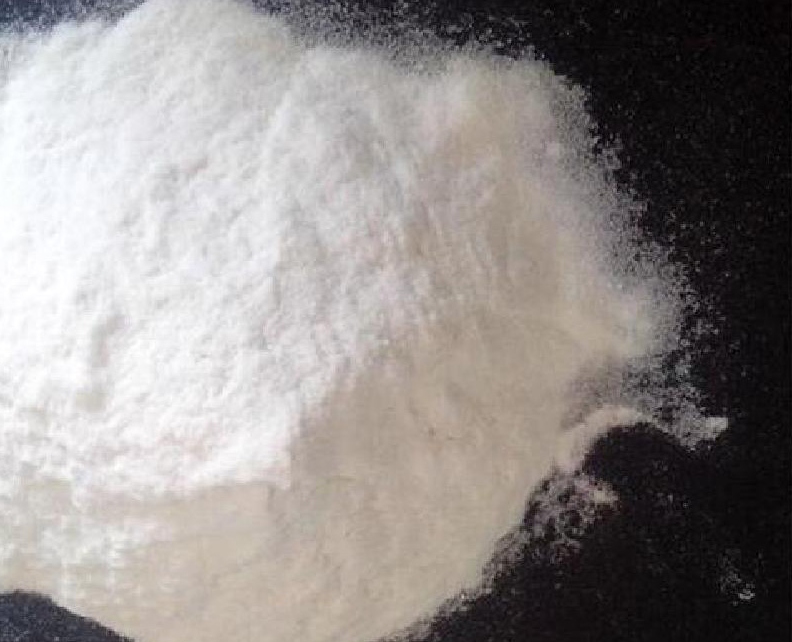
These numbers describe the ivory powder form:
- Acid Value: Kept at ≤ 5.0 mgKOH/g to avoid off-flavors or reactions.
- Saponification Value: Held between 125–145 mgKOH/g for steady performance across batches.
- Melting Point Range: Set between 50–58°C for good blending in warm fat phases.
- Safety Approvals: Meets FSSC22000, ISO9001, HALAL, and KOSHER requirements.
The Strategic Advantages of Partnering with Raize
Choosing a supplier means looking at more than just the product. Supply chain support matters too.
Commercial Flexibility Designed for Global Supply Chains
Raize removes common purchasing barriers to help food companies grow.
- No Minimum Order Quantity (No-MOQ): This allows teams to test new recipes without large upfront costs.
- Consolidated Mixed Shipments: Customers can combine PGE E475 with other additives like SMS E491 or SSL E481 in one delivery.
- Reliable Global Delivery: Orders usually arrive in 10 to 15 days using strong 25kg packaging that protects the powder.
Optimize Your Food Formulations Today
Do not let texture problems or production slowdowns hurt your brand. Partner with Raize to access high-performance PGE E475 emulsifiers matched to your exact needs. Contact the technical export team today at elma@raizechem.com or via phone at 0086-13567125417 to request a complimentary product sample below 500g and discover practical, affordable chemical excellence.
FAQ
Q: What is the primary functional difference between PGE E475 and standard mono-diglycerides (E471)?
A: E471 handles everyday fat mixing with good results. PGE E475 adds stronger aeration while whipping takes place. Because of this difference, it performs better in commercial toppings, cake batters, and aerated shortenings where extra lift matters.
Q: Can PGE E475 remain functional in acidic or high-salt food systems?
A: Yes. As a non-ionic surfactant, it stays stable even when acidity rises. It also avoids reactions with salts or proteins that appear in sour dairy, sauces, and fermented products.
Q: How does PGE prevent the staling of starch-based baked goods?
A: PGE links with amylose present in starch. This connection slows the retrogradation process that occurs during cooling and later storage. The crumb therefore remains soft, and shelf life becomes longer as a result.
Q: What is the recommended storage procedure to maximize the shelf life of PGE powder?
A: Keep the powder inside sealed containers. Place the containers in a cool, dry area below 25°C and away from sunlight. This approach preserves full performance for at least 12 months under normal conditions.


Post Comment