





As a major global maker of functional food additives, Raize knows how tough it can be to keep the right texture, stability, and shelf life in large-scale production. Picking the right additives often decides if a product stays high quality on store shelves or goes bad too soon. Under the European food additive code E471, mono- and diglycerides make up the biggest group of surfactants. They account for more than half of all food emulsifier use around the world.
However, E471 is not one single fix. Its two main types — Glycerin Monostearate (GMS) and Glycerin Monolauric (GML) — have quite different structures, processing needs, and benefits. For those working on formulas and buying materials, knowing the real differences between GMS and GML matters a lot. It helps control costs and get better product results.
Chemical Profile & Technical Specifications
It helps to know the basic molecular differences when picking the right one for your production. This avoids mixing up their purposes and makes better use of raw materials.
Molecular Composition and Raw Material Bases
The way these two E471 additives are built affects their physical traits, melting points, and how they mix with water and oil.
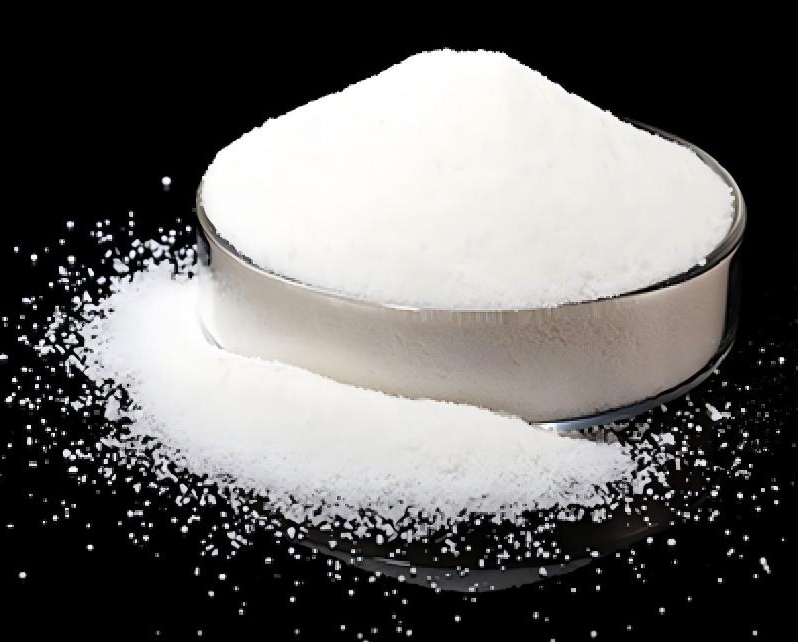
- GMS (Glycerin Monostearate): With the formula C21H42O4, GMS comes from combining long-chain C18 stearic acid from fats or oils with glycerol. It has a melting point between 50–60°C.
- GML (Glycerin Monolauric): Shown as C15H30O4, GML uses a shorter C12 lauric acid chain. It appears naturally in breast milk and melts at a lower range of 45–55°C.
Monoglyceride Content and Purity Grades
Higher purity gives more reliable results during hot processing steps. This directly changes how much you need to add.
- Raize GMS Series: Available in several standard grades based on alpha-monoglyceride levels, such as GMS 40, 45, 52, and 60. This range lets factories adjust the active amount to fit different recipes.
- Raize GML 90: This distilled grade offers a high active content of ≥90%. The strong concentration means you can use very small amounts while still getting strong effects.
Functional Mechanisms: Emulsification vs. Antimicrobial Action
The choice between GMS and GML comes down to whether you need better physical stability or stronger protection against microbes.
GMS as a Heavy-Duty Surface-Active Stabilizer
GMS works mainly by changing the tension at the boundary between oil and water. This keeps them mixed well even when the product faces stress.
- Uniform Fat Globule Distribution: GMS breaks fats into even particle sizes. This stops oil from separating and gives a smooth, creamy feel in the mouth.
- Starch Retrogradation Delay: In baked goods, GMS links up with amylose parts. It acts as a strong anti-staling agent and helps keep the crumb soft.
- Crystal and Foam Modification: It changes the crystal forms in fats for shortenings and holds air bubbles steady in products like ice cream.
GML as a Broad-Spectrum Bio-Preservative
GML does more than just spread fat. It breaks down microbial cell structures to protect food safety, often working better than regular chemical preservatives.
- Cell Membrane Disruption: GML affects the outer layers of bacterial cells. It works especially well against Gram-positive types such as Listeria monocytogenes, Staphylococcus aureus, and Clostridium botulinum.
- Broadened Antibacterial Spectrum: GML also handles many Gram-negative bacteria, including Escherichia coli and Salmonella.
- High Thermal Stability: GML keeps its power through normal pasteurization and high-heat processing, unlike some preservatives that break down easily.

Industrial Application Scenarios: Where and How to Deploy
Here is how these traits work out on actual factory floors. They solve real problems with structure and spoilage.
Optimizing Bakery, Dairy, and Beverage Lines with GMS
GMS fixes issues like layers separating, bread going stale, and products melting too fast in different food types.
- Industrial Pan Bread & Buns: Adding GMS helps bread stay soft longer and slows down staling. This gives more time for distribution while keeping a good texture.
- Coffee Whiteners & Plant Protein Beverages: At 0.5%–1% of the total mix, GMS stops fat from floating up or settling. The drink looks consistent and gives steady whitening.
- Ice Cream and Margarines: Using 0.3%–0.5% GMS helps the product hold its shape. It limits big ice crystal growth when temperatures change and keeps the fat-water mix stable.
Securing Shelf-Life and Freshness in Meat Processing with GML
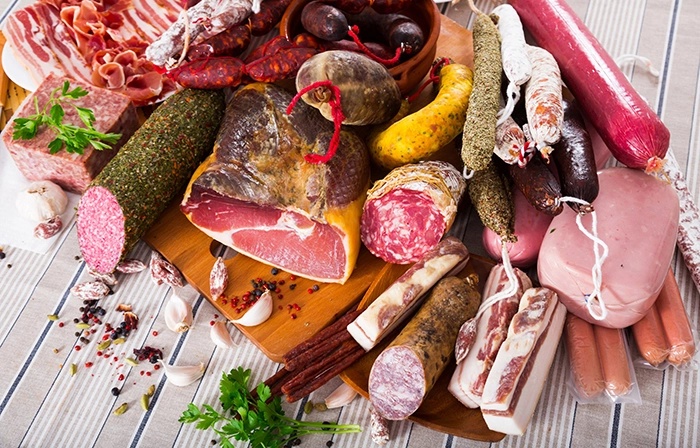
Meat processors use GML to fight early spoilage and off flavors during different heat treatments, without changing the taste much.
- Pathogen Mitigation in Cooked Meats: At 0.1–0.5 g/kg, GML controls common bacteria in processed meats. It offers a good option instead of artificial preservatives.
- Synergistic Preservation Systems: Mixing GML with other additives like Nisin or potassium sorbate increases protection. Factories can get better results while using smaller total amounts of additives.
Why Global Manufacturers Partner with Raize
Picking a supplier means finding one that meets international rules and delivers the same quality every time. Raize provides both for companies around the world.
As a dedicated producer of additives for plastics, food, and feed, Raize creates strong alternatives to costly big-name brands. Through careful control of the interesterification and distillation steps, Raize makes emulsifiers with steady batch quality and better prices.
Every batch of Raize GMS and GML follows strict global food safety requirements. They hold FSSC22000, ISO9001, HALAL, and KOSHER certifications. This makes it easier to fit into tight supply chains in Europe, the Middle East, South America, and Africa.
Elevate Your Food Formulation Standards Today
Ready to improve your product’s texture stability or find a cleaner way to preserve it? Reach out to Raize for full product details or help with custom mixes.
- Request Technical Data: Write to elma@raizechem.com for Certificate of Analysis (COA), Technical Data Sheets (TDS), and MSDS documents.
- Secure Industrial Samples: Raize sends free samples up to 500g for lab testing and production trials at qualified facilities.
FAQ
Q: Can GMS and GML be used together within a single food formulation?
A: Yes. GMS gives strong oil-in-water stability, while GML adds wide antimicrobial protection. Using them together builds a complete system that improves both texture and how long the product lasts.
Q: Does replacing synthetic chemical preservatives with GML alter the flavor profile of food products?
A: At the usual working level of 0.1 to 0.5 g/kg, GML stops harmful bacteria and spoilage organisms. It does this without changing the natural taste, smell, or color in meat and dairy products.
Q: How do the melting point variations of GMS and GML affect factory mixing procedures?
A: GMS needs hotter temperatures to melt (50–60°C) and usually goes into the hot oil part first. GML melts at 45–55°C. You can dissolve it in hot water between 60–90°C or blend it with dry ingredients at the start.
Q: Are E471 mono- and diglycerides completely non-toxic and permitted in clean-label food markets?
A: Yes. E471 additives count as safe food ingredients. For example, GML has an LD50 > 10g/kg. It occurs naturally in breast milk, and the body can break it down fully without leftover chemicals.

Post Comment