





In the tough food manufacturing world, keeping texture steady and shelf life stable poses a daily task. Makers often handle oil separation in creamers, bread that stales quickly, or frozen desserts losing structure.
Choosing the right surfactant helps with these stability problems. Glycerin Monostearate (GMS), or E471 in Europe, is widely used by food technicians and makes up more than half of global emulsifier consumption. Raize draws on over 15 years of experience as a food additives expert to provide tailored, high-quality GMS solutions.
Understanding GMS and Its Core Functions
It helps to first understand the basic chemistry and how Glycerin Monostearate (GMS) works before looking at specific recipes.
What Exactly is Glycerin Monostearate (E471)?
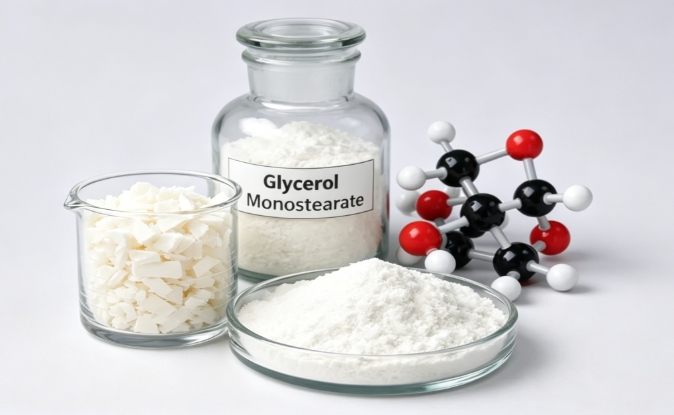
Mono and diglycerides E471 act as surfactants produced from natural fats or oils reacted with glycerol. The molecule features sections that attract water, along with sections that attract fat. Due to this makeup, GMS positions itself at the water-oil boundary. It reduces tension between these phases and binds them into a stable, uniform mixture.
How GMS Solves Modern Food Processing Challenges
- Active Crystal Modification: It changes the way fats crystallize as they cool. This prevents large, brittle fat crystal networks that can ruin food textures.
- Starch Complexation: GMS binds with amylose in starch. This action slows down retrogradation, the process that causes texture hardening.
- Protein Stabilization: It strengthens protein films around air cells. This reduces gas loss and liquid weeping when products undergo heating or cooling.
Where Technical GMS Makes the Difference
From busy commercial bakeries to dairy processing lines, different grades of GMS help address specific texture and stability problems in food production.
Baking Quality Control: Maximizing Crumb Softness and Shelf Life
In commercial baking of buns, pan bread, and fermented doughs, moisture loss and starch changes lead to fast staling. Using GLYCERIN MONOSTEARATE (GMS 40/45/52/60) E471 from Raize allows bakers to improve the crumb structure directly.
- The Solution: GMS creates an insoluble complex with starch during the baking process. This keeps the bread crumb soft and elastic for a longer storage time.
- Processing Benefit: It improves dough tolerance during mechanical handling, supports better raw material blending, and helps increase bread volume.
Many bakers notice that loaves stay softer for several extra days on the shelf, which reduces returns and improves customer satisfaction.
Ice Cream and Margarine Structure: Mastering Foam and Emulsion
Good control over air incorporation and water retention decides whether frozen desserts and spreads succeed in the market.
- In Ice Cream, GMS encourages controlled fat destabilization during freezing. This stabilizes air cells, reduces large ice crystal formation, improves dryness during extrusion, and helps the product hold its shape better as it melts.
- In Margarine and Shortening: GMS keeps fine water droplets stable within the oil phase. It stops droplets from joining together and leaking, which results in good spreadability and proper fat crystal distribution.
Dairy and Beverage Stability: Preventing Phase Separation
Liquid products like protein drinks and non-dairy creamers often show fat floating or settling, especially after high-temperature processing and during storage.
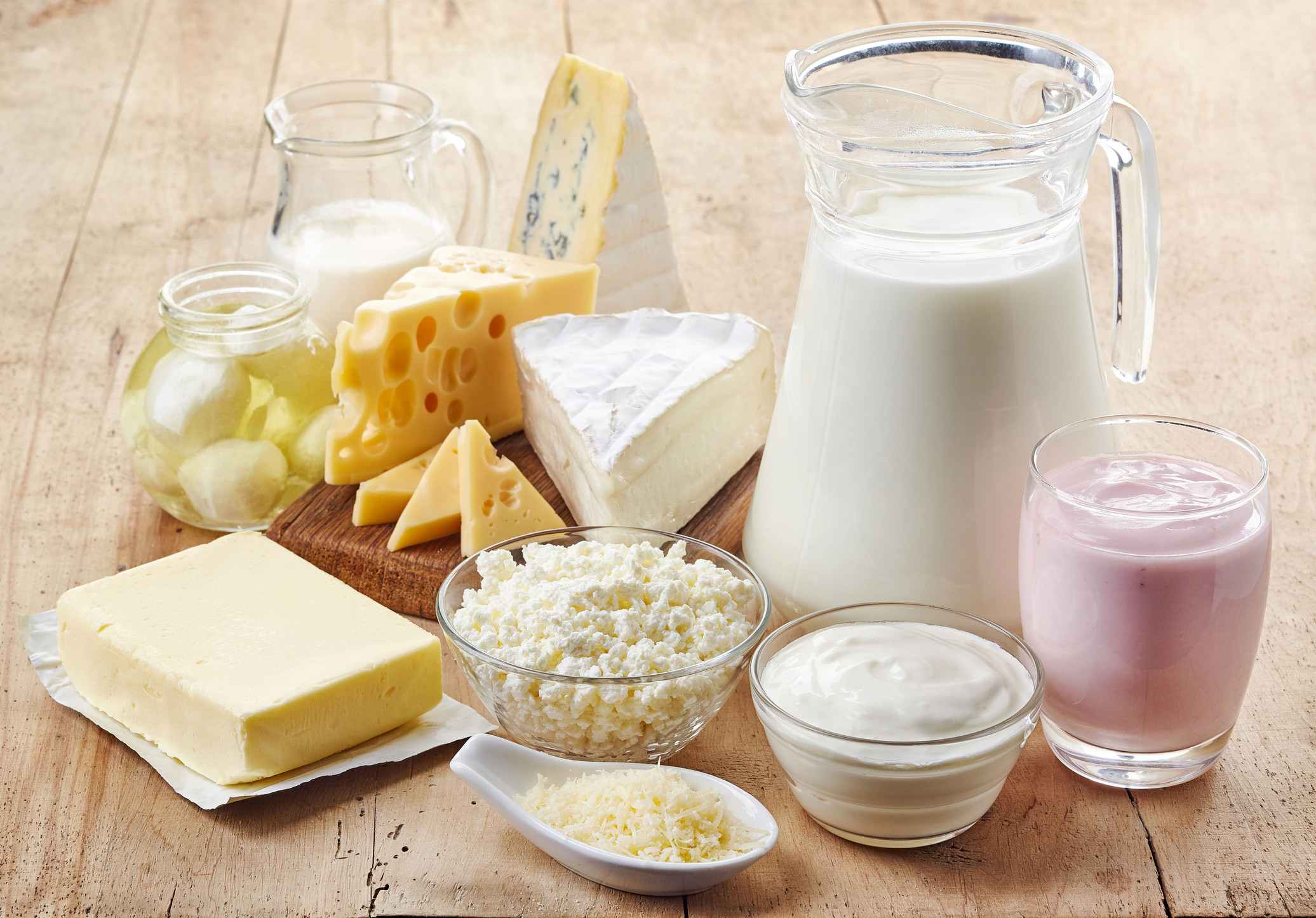
- In Coffee Creamers: Adding GMS creates a more uniform distribution of fat globule sizes. This delivers better whitening and stops the creamer from separating when added to hot, acidic coffee.
- In Protein Beverages: GMS helps prevent fats and dairy proteins from separating. It eliminates layering and gives a smooth, full mouthfeel from the production line through to the consumer.
Why Partner with Raize for GMS Solutions?
Choosing a reliable manufacturing partner is essential for maintaining product quality and production efficiency.
Tailored Specifications to Meet Precise Formula Needs
Raize brings more than 15 years of focused experience as a specialty manufacturer. The company knows that food systems differ widely, so a single standard product rarely fits every need. Raize therefore provides several monoglyceride concentrations to match specific processing conditions:
- Raize GMS 40 / P40: This serves as a cost-effective, stable option for general dough conditioning.
- Raize GMS 45 / T45: A balanced choice suitable for mid-range confectionery and fat spreads.
- Raize GMS 52 & GMS 60: Higher purity grades developed for high-fat dairy systems, protein beverages, and demanding baking lines that need maximum crumb softening performance.
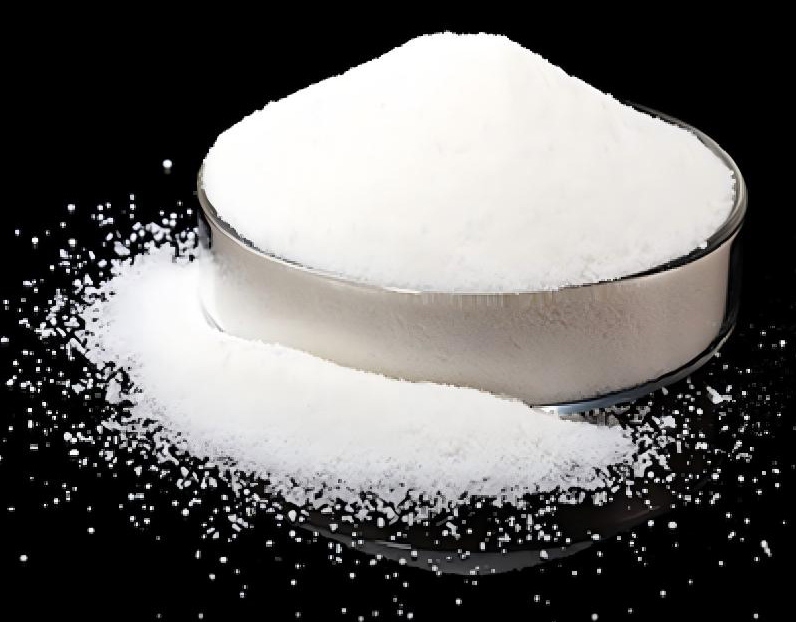
These products come in fine white powder form or convenient flakes. Both types blend easily into hot fat systems or dry powder pre-mixes used in modern production plants.
Certified Manufacturing for Uncompromising B2B Operations
Food brands today require full compliance and reliable consistency. Raize produces its additives under strict, regularly audited conditions.
- Global Certifications: The full GMS range meets FSSC22000, ISO9001, HALAL, and KOSHER standards. This makes it straightforward to use in international supply chains.
- B2B Flexible Logistics: Raize supports global partners with practical supply options, including mixed shipments of different products and flexible order quantities that help reduce inventory pressure.
Many long-term clients appreciate the ability to order smaller test batches alongside full container loads without facing high minimum order barriers.
Optimize Your Production Line with Raize
Consistent textures, reduced phase separation, and longer shelf life become much more achievable with proven food emulsifiers. Processing variations should not affect the quality that your customers expect from your brand.
Contact the technical sales team at elma@raizechem.com today. You can request complimentary product samples (under 500g) or obtain the full COA, TDS, and MSDS documents tailored to your formulation. The team stands ready to help refine your processes and solve specific production challenges.
FAQ
Q: Why does my non-dairy creamer separate in coffee, and how does E471 fix this?
A: The creamer separates because small fat globules clump together under heat and acidity. E471 spreads the fat globules evenly. It also builds a stronger layer around each globule. This holds them in place and stops oil from rising to the top.
Q: What is the main difference between selecting GMS 40 versus GMS 60 for production?
A: The number shows the lowest share of active monoglycerides. GMS 60 gives stronger surfactant activity per gram. Bakers and manufacturers often need a lower dose of GMS 60 to reach the same or better crumb softening and foam stability than with GMS 40.
Q: Can GMS E471 be safely used in clean-label or plant-based food exports?
A: Yes. Makers usually produce GMS from plant oils and fats through glycerol interesterification. It holds GRAS status worldwide and comes with full certifications such as FSSC22000 and Halal. This supports wide regulatory acceptance.
Q: How does GMS protect industrial ice cream from heat shock during transport?
A: GMS builds a stronger air cell structure and fat networks during freezing. Small temperature shifts occur in transit. The stable network then stops melting water from forming large ice crystals when the mix refreezes.


Post Comment