




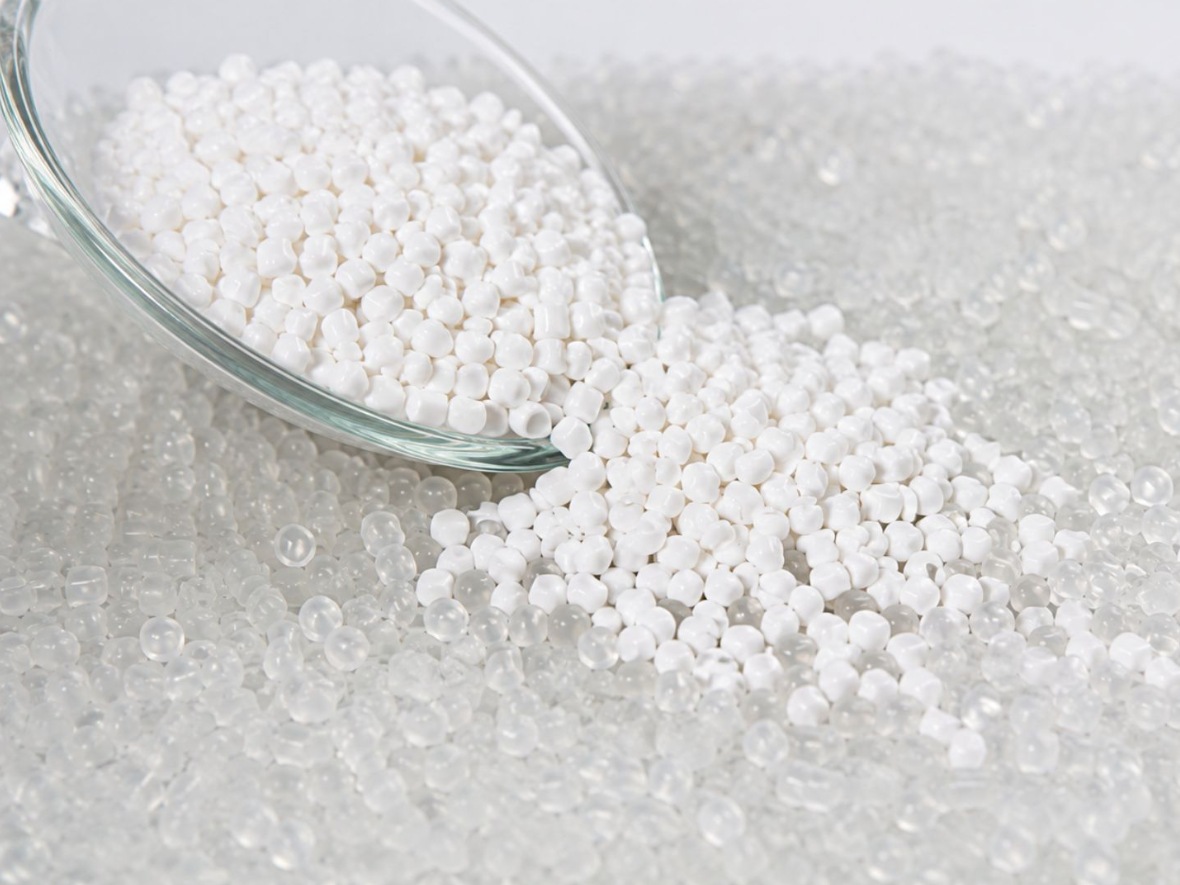
Synthetic polymers face ongoing heat, shear, and oxygen during mixing, processing, and extended use. Lacking protection, these conditions trigger plastic degradation. It appears in several ways:
- Loss of mechanical integrity: Embrittlement, micro-cracking, and drops in tensile and impact strength.
- Surface and optical defects: Yellowing, discoloration, loss of gloss, and charring.
- Processing instabilities: Uncontrolled melt flow rate changes, polymer degradation, polymer chain cleavage, and gel formation.
Polymer antioxidants serve as key additives to maintain melt stability, avoid structural failure, and prolong resin life. At Raize, a reliable global supplier of additives for plastics, food, and feed, we provide high-performance antioxidants for plastics. These additives fight plastic oxidation and support long-term resin performance.
Understanding Polymer Degradation: The Science Behind Plastic Breakdown
Understanding the molecular mechanics of polymer degradation is essential for designing effective stabilization systems for polymer matrices. When synthetic polymers are exposed to thermal energy and oxygen, chemical bonds rupture and accelerate structural decay.
The Mechanism of Thermal Oxidative Degradation
Thermal oxidative degradation occurs in a chain-reaction manner through the autocatalysis of free radicals as a consequence of the interaction between thermal energy and oxygen and the polymer backbone.
Plastic resin reacts with heat and mechanical stress applied by extrusion or molding through the breaking of polymer bonds, starting the degradation process.
- Chain scission: High thermal energy causes breaking of carbon-carbon backbones in polymers, forming alkyl free radicals, lowering molecular weight and thus reducing melt viscosity in polymers such as polypropylene.
- Crosslinking: Free radicals recombine to form irregular polymer networks, causing gel formation and increasing viscosity in high-density polyethylene extrusion.
- Visual defect formation: Accumulation of carbonyl groups and conjugated double bonds leads to yellowing and pitting in plastics.
How Heat and Oxygen Trigger the Autoxidation Cycle
The autoxidation pathway very quickly speeds up the breakdown of plastics via an unceasing chemical reaction if not inhibited by any primary or secondary antioxidants.
- Formation of Peroxy Radicals: The free alkyl radicals (R●) very quickly react with the dissolved oxygen (O2) to form the unstable peroxy radicals (ROO●).
- Hydrogen Atom Extraction: The peroxy radicals take out a hydrogen atom from the neighboring polymer molecules (R-H) and form hydroperoxides (ROOH) and new alkyl radicals.
- Splitting of Hydroperoxides: The unstable hydroperoxides further decompose to form alkoxy (RO●) and hydroxyl (HO●) radicals.
The Defense Strategy: How Polymer Antioxidants Prevent Degradation
Effective polymer stabilization requires a dual-stage defense strategy that neutralizes free radicals while simultaneously decomposing hydroperoxide intermediates.
Primary Antioxidants: Radical Scavengers for Long-Term Heat Stability
The major antioxidants function as scavengers by providing sterically hindered hydrogen atoms to the active radicals over the lifetime of the polymer.
- Mechanism of Action: The hindered phenolic antioxidant molecules release labile hydrogen atoms from hydroxyl groups to peroxy radicals, producing stable and inert phenoxy radicals.
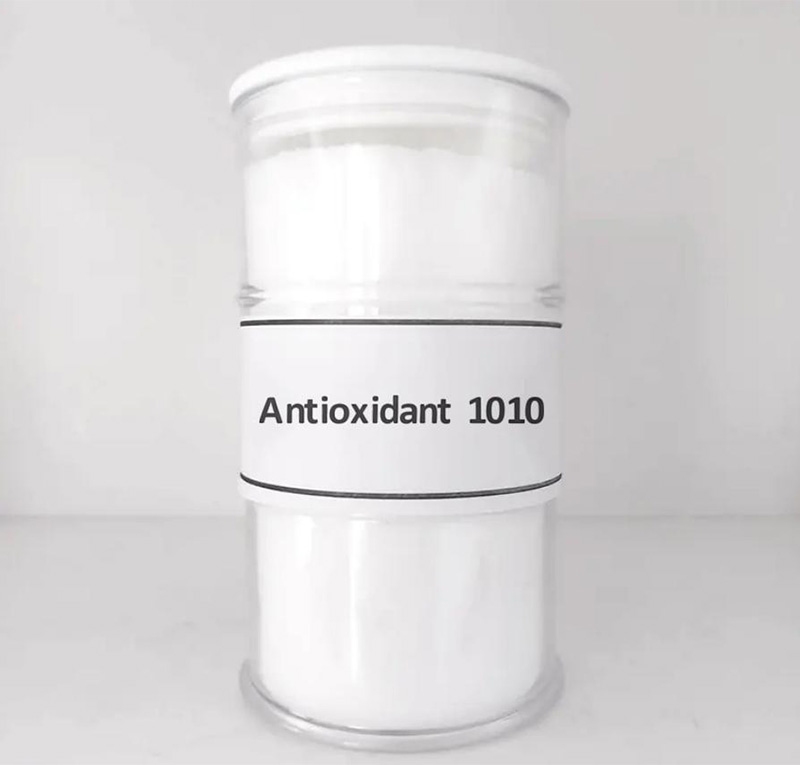
- Antioxidant 1010: This is a high molecular weight hindered phenolic antioxidant that is not volatile and less extractable; it is thermally stable for polyolefin antioxidants when heated.
- Antioxidant 1076: A sterically hindered phenolic primary antioxidant with excellent color stability, low volatility, and FDA-approved for food packaging and rubber compounds.
Secondary Antioxidants: Hydroperoxide Decomposers for Processing Stability
Secondary antioxidants operate on hydroperoxide intermediates formed during melt processing, transforming them into non-radical and inactive substances before the occurrence of radical cleavage.
- Method of Operation: The antioxidant phosphite reacts with hydroperoxides (ROOH) to form harmless alcohols and is oxidized to inert phosphate products.
- Antioxidant 168: Hydrolytically stable phosphite antioxidant that offers protection to polymers from changes in melt flow and color during melt processing at elevated temperatures.
- Antioxidant 626: Advanced phosphite antioxidant with outstanding properties of anti-yellowing, low volatility, and high clarity in polyolefins, ABS, and polycarbonate resins.
Synergistic Blend Formulations: Dual-Action Polymer Protection
A synergistic system of primary and secondary antioxidants ensures a robust system of protection for polymers during both the manufacturing and use processes.
- Antioxidant 225: An optimal 1:1 ratio of Antioxidant 1010 and Antioxidant 168 that provides full protection against both the process of melting and heat aging of polyolefins and engineering plastics.
- Antioxidant 215: A specific 1:2 ratio of Antioxidant 1010 and Antioxidant 168 suitable for the process of high-temperature extrusion.
Industrial Application Scenarios: Where Antioxidants Solve Real-World Challenges
The use of targeted antioxidants in plastic resins solves manufacturing problems and material problems in different industrial processes.
Polyolefin Antioxidants in High-Temperature Extrusion and Molding
Polyolefins subjected to thermal shear must be stabilized by polyolefin antioxidants so as to retain their structure and effectiveness.
- PE Pipe and Film Extrusion: By utilizing Antioxidant 1010 and Antioxidant 168, degradation of the polymers used in pressure pipes and blown films is avoided since there is no die buildup, surface gel, or oxidative stress rupture.
- Recycled Plastic Processing: Post-consumer and post-industrial resins are subjected to heat history during their processing; the antioxidants resuscitate the degraded melt streams, thus avoiding gel formation and melt index change.
Antioxidants for Polypropylene and Packaging Materials
Additives are needed for parts that consist of polypropylene and for packaging structures, where antioxidants for polypropylene are crucial to prevent discoloration, odor, and brittleness.
- Polypropylene Parts for Automobile Engines: Since there are high temperatures in engine compartments, oxidative degradation occurs; antioxidants such as Raize Antioxidant 1010 and Antioxidant 225 preserve strength and impact resistance when repeatedly exposed to heat.
- Polypropylene Food Packaging Structures: The oxidation of plastic used in food packaging structures leads to odor and brittleness; antioxidants with low toxicity, such as Antioxidant 1010 and Antioxidant 626, ensure transparency and barrier properties.
Technical Solutions and Additive Supply by Raize
As a dedicated chemical additives manufacturer, Raize provides reliable polymer antioxidant technologies engineered to solve complex plastic oxidation challenges.
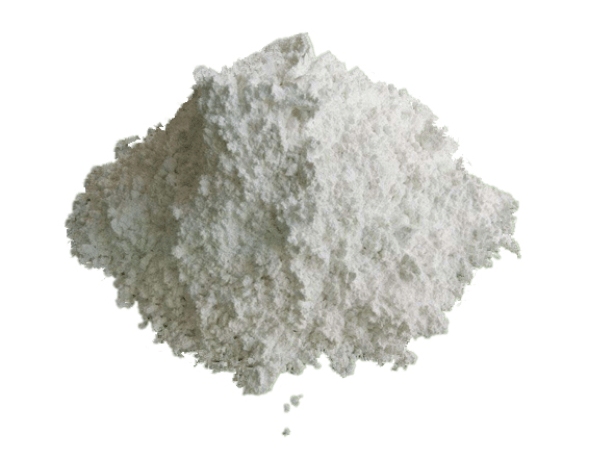
High-Performance Plastic Antioxidant Additives
Our high-performance antioxidant series provides equivalent stabilization capabilities to premier global brands while optimizing overall formulation economics.
- Guaranteed Chemical Consistency: Rigorous ISO9001 quality control ensures high active content, precise purity, and dependable batch-to-batch consistency for seamless converter operations.
- Cost-Competitive Performance: Raize additives deliver premier stabilization performance at competitive prices, reducing total raw material costs for plastic compounders.
Tailored Antioxidant Formulations and Testing Services
Beyond standard supply, Raize collaborates directly with plastic manufacturers to deliver custom formulations and specialized additive blends.
- Custom Pre-Blends: We supply engineered primary and secondary antioxidant pre-blends and dust-free physical forms customized to client dosing specifications.
- Global Supply Reliability: Dependable production schedules, robust packaging, and technical service support guarantee global delivery stability and fast response times.
Partner with Raize for Advanced Polymer Stabilization
Protect your plastic products against thermal oxidative degradation with high-performance additive solutions from Raize.
To eliminate melt flow instability, yellowing, and mechanical failure in your resin compounds, partner with Raize today. Our engineering team is ready to evaluate your processing parameters, recommend optimized additive packages, and provide trial samples.
- High-performance antioxidants for plastics: Access premier Antioxidant 1010, 1076, 168, 626, 225, and 215 additives.
- Custom additive pre-blends: Tailored formulation ratios designed for your specific thermal shear and processing conditions.
- Technical support for plastic oxidation challenges: Comprehensive analytical support and stabilization troubleshooting for virgin and recycled polymers.
Contact our engineering team at elma@raizechem.com to request technical data sheets, sample evaluation kits, and cost-effective pre-blend quotes!
FAQ
Q: In what ways do primary antioxidants differ from secondary antioxidants for polymers?
A: The primary antioxidants (phenols) are free-radical scavengers and provide heat stability throughout the process, whereas the secondary antioxidants (phosphites) are needed to decompose the hydroperoxides formed during the extrusion process.
Q: Why is the combination of antioxidants more effective for polypropylene?
A: The polymer polypropylene is known to be highly susceptible to thermal oxidative degradation during processing; hence, the use of both primary (for example, 1010) and secondary phosphite (for example, 168 or 626) antioxidants will provide double protection against the impact of melt flow and thermal aging.
Q: What is the influence of polymer antioxidants on re-workability of recycled material?
A: Recycled material is characterized by accumulation of hydroperoxides due to thermal history, and the use of both primary and secondary antioxidants will help avoid changes in melt index, gel formation, and discoloration during re-melting.
Q: How do antioxidant additives in plastics ensure optical purity in food packaging materials?
A: Antioxidants such as Antioxidant 626 help prevent yellowing and quinone production that result from the heating process, thus ensuring optical purity of the packaging containers.

Post Comment