




In the demanding field of industrial manufacturing, the line between a successful run and a scrapped batch frequently depends on the choice of processing additives. Zinc Stearate ranks among the most useful and widely applied of these materials. It delivers a smooth surface on molded plastic components, supports the curing process in rubber compounds, and adds water resistance to fabrics used outdoors. This single compound plays a central role in the handling of modern polymers and fibers.
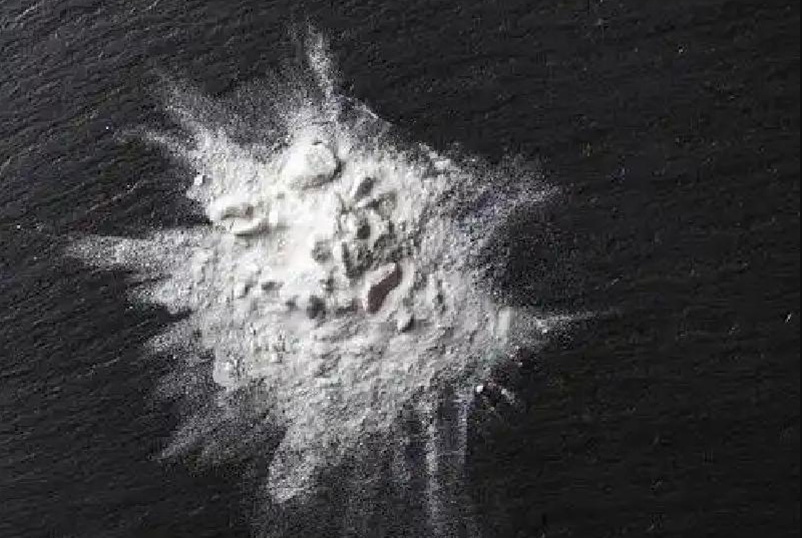
Raize brings more than 15 years of focused work in specialty chemicals. The company has observed repeatedly how a well-selected Zinc Stearate grade improves output rates and extends the service life of finished goods.
Transforming Plastic Processing: Lubrication and Stabilization
Zinc Stearate finds its widest use in plastics manufacturing, where it serves mainly as an effective internal lubricant and release aid.
Optimizing Thermosetting Plastics and Mold Release
Factories that process styrene-based resins, phenolic materials, or amino resins often face difficulties with parts sticking inside molds. Poor release leads to visible marks on the surface or harm to costly mold surfaces. Zinc Stearate moves toward the outer layer during heating and forms a thin barrier film. That separation layer allows even intricate shapes to pop free quickly and without damage, which shortens molding cycles noticeably.
Enhancing PVC and Masterbatch Quality
In PVC formulations, Zinc Stearate carries out two important tasks at once. It reduces friction during extrusion and acts as a supporting heat stabilizer. Paired with products such as Raize Calcium Stearate, it helps the polymer resist breakdown at elevated temperatures. In color masterbatch production, the compound spreads pigment particles thoroughly through the base resin. Even distribution prevents spots or uneven tones, so the end product shows steady, bright shades.
Solving Dispersion Issues in High-Pigment Masterbatches
- The Problem: A producer of plastic film noticed color streaks on the web and repeated clogging of filters during extrusion. Poor pigment spread in the masterbatch caused clumps that disrupted flow.
- The Solution: Adding Raize Zinc Stearate to the masterbatch recipe improved the coating of pigment surfaces.
- The Result: Streaks disappeared, filter pressure dropped by 30%, and the line accepted higher pigment levels while keeping the film strong and flexible.

Advanced Performance in Rubber and Petrochemical Synthesis
Zinc Stearate also proves valuable in rubber processing and certain petrochemical operations.
Vulcanization Activation and Surface Anti-Sticking
Rubber manufacturers rely on Zinc Stearate as an activator during vulcanization. It promotes the formation of cross-links that give the material its bounce and toughness. The powder also prevents fresh rubber sheets from sticking together when stacked. A light dusting on the surface creates a non-stick barrier that holds up during storage or shipping, which avoids a frequent handling issue in rubber plants.
Neutralizing Halogens in Advanced Polymerization
In petrochemical synthesis, leftover halogens can corrode equipment and reduce the stability of the final resin. Zinc Stearate captures these residues effectively. By removing them, the compound protects reactors and piping while preserving the quality of the polymer over time.
Preventing Layer Adhesion in Rubber Sheet Storage
- The Problem: A supplier of tire parts reported that rubber slabs bonded tightly during humid summer storage. Separating the layers became difficult and slowed the next production step.
- The Solution: The plant applied a coating of Raize Zinc Stearate powder to each sheet surface.
- The Result: The powder formed a lasting physical barrier that worked well under pressure and moisture. Slabs separated cleanly, which kept the production schedule on track.
Waterproofing Solutions for the Textile Industry
Zinc Stearate extends its usefulness into textile finishing. The compound repels water because it does not dissolve in moisture. Applied to fibers or fabrics, it gives a hydrophobic character without blocking air passage. This property suits outdoor clothing, heavy tarps, and protective workwear where dryness matters alongside comfort.

Why Industry Leaders Choose Raize Zinc Stearate
Selecting an additive source involves more than price or availability. It requires a partner familiar with the exact processing needs. Raize has built a reputation for consistent quality and serves customers in more than 50 countries.
Technical Specifications of ZS-P and ZS-PR Grades
Raize supplies two main grades to match different production demands:
- Raize ZS-P (Standard Powder): Contains 10.5-11.3% metal content and a bulk density of ≤400 g/L. This version suits general lubrication tasks and PVC heat stabilization, where normal flow characteristics are sufficient.
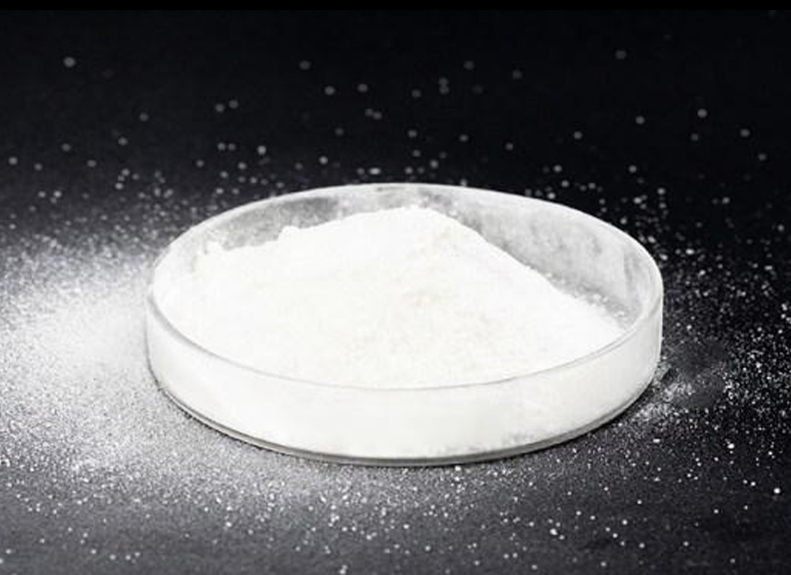
- Raize ZS-PR (High-Density/Fine Powder): Offers a very low sieve residue (≤0.1% at 45μm) and a bulk density between 450-600 g/L. The finer particle size makes it the preferred option for precise masterbatches and jobs that demand excellent pigment spread.
Both grades melt between 119-125°C. That range keeps them stable through typical high-temperature steps while providing strong release performance.
Global Standards, Affordable Excellence, and Flexible Supply
Raize aims to improve manufacturing through practical chemistry. The company produces additives that deliver performance on par with leading international names like FACI, yet at lower cost points. A “No MOQ” policy together with mixed-load shipping options means small specialist producers and large factories alike can order what they need without tying up capital in excess stock. Every production lot passes through checks for quality and environmental compliance.
Ready to improve your production process?
Contact Raize today if processing drag, uneven dispersion, or early material breakdown creates issues on your line. Technical guidance, full certificates of analysis, technical data sheets, or a free sample (up to 500 g) are available upon request.
Contact Information:
- Email: elma@raizechem.com
- WhatsApp/Phone: 0086-13567125417
FAQ
Q: How does Zinc Stearate compare to Calcium Stearate in PVC processing?
A: Both compounds reduce friction and stabilize heat, but Zinc Stearate gives better early color hold and stronger external lubrication. Calcium Stearate contributes more to long-term thermal protection. Many effective PVC recipes combine the two for balanced performance across the full processing window.
Q: Why is “mesh size” so important when choosing a Zinc Stearate grade for masterbatches?
A: A finer mesh, as found in the ZS-PR grade, increases surface area significantly. That extra area coats pigment particles more completely, which avoids clumps, smooths extrusion flow, and produces uniform color in the finished plastic.
Q: Can Zinc Stearate be used in materials that come into contact with food?
A: Certain grades carry FDA clearance and suit food-contact packaging. Always confirm the certification for the specific grade in use. Raize supplies complete documentation, including technical data sheets and safety data sheets, to verify compliance for your intended application.
Q: Does Zinc Stearate affect the transparency of clear plastic products?
A: When used at standard levels, high-purity Zinc Stearate shows little influence on clarity in styrene or amino resins. For applications that demand maximum transparency, select a grade with low free fatty acid levels and high overall purity to preserve optical properties.


Post Comment