




Introduction
Choosing the proper secondary antioxidant for the polyolefin is important to avoid degradation, changes in melting index, and discoloration in the high-temperature compounding process. The comparison of the effect of using the trivalent phosphorus antioxidant will help achieve proper process and product quality. The selection of the antioxidant 626 vs. 168 by compounders largely depends on hydrolytic stability, color control, and processing temperature.
The Challenge of Degradation in Polyolefin Processing
The polyolefin material is subjected to extremely high shear and thermal stresses during processing by methods such as extrusion, injection molding, and compounding.
- Peroxide generation: Shear-induced stress breaks the polymer chains to produce alkyl radicals that interact with oxygen to produce peroxides.
- Melt flow instability: Uncontrolled peroxides lead to polymer chain degradation (polypropylene) or cross-linking (polyethylene), leading to melt instability.
- Discoloration: Thermal yellowing or gas fading occurs due to elevated temperature conditions of the finished product.
- Degradation: Tensile properties are compromised in unstabilized polymers.
Empowering Polymer Manufacturers with Raize Additives
Polymer manufacturers need customized additive solutions to ensure consistent quality amid their challenging manufacturing cycles.
- About the company: Raize is a company that manufactures top-performing additives used in the manufacture of plastics, food, and feeds.
- Products: Raize supplies top-notch processing stabilizers such as Antioxidant 168, Antioxidant 626, primary phenolic antioxidants like Antioxidant 1010, Antioxidant 1076, as well as pre-blended additives like Antioxidant 215, Antioxidant 225.
- Services: Raize offers customized formulations, testing, and application advice to address any processing challenges.
- Unique value proposition: Consistent quality, higher active ingredients, and anti-caking characteristics all at competitive global prices.
Chemical Structure & Mechanism Difference
While both additives act as hydroperoxide decomposers, their underlying chemical architecture dictates their reactive efficiency and physical characteristics.
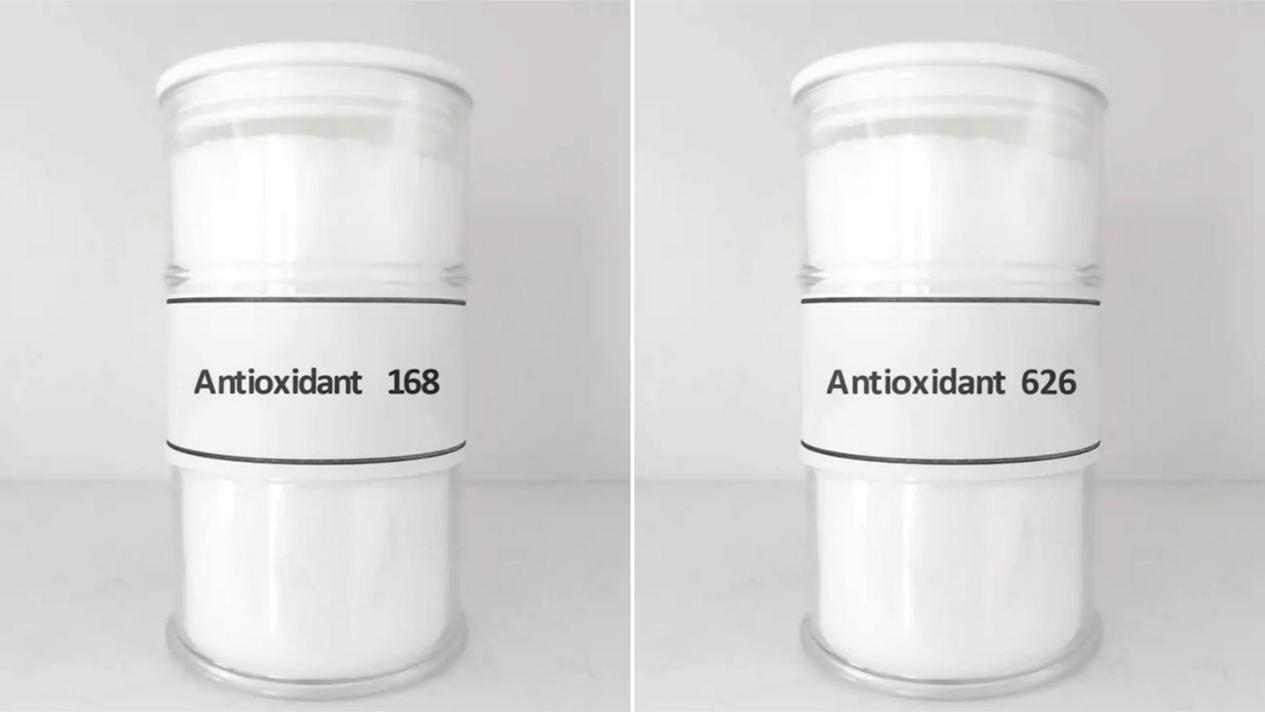
Molecular Architecture of Antioxidant 168
Antioxidant 168 features a monophosphite structure surrounded by bulky aromatic groups and is widely used as a phosphite antioxidant for polyolefins.
- Chemical name: Tris(2,4-di-tert-butylphenyl) phosphite.
- Active phosphorus content: Contains approximately 4.7% active phosphorus by weight.
- Steric protection: Three bulky 2,4-di-tert-butylphenyl groups shield the central phosphorus atom against water molecules.
- Volatility profile: Low volatility ensures low additive loss during standard extrusion temperatures.
Molecular Architecture of Antioxidant 626
Antioxidant 626 utilizes a diphosphite spiro-ring design that maximizes active phosphorus content.
- Chemical name: Bis(2,4-di-tert-butylphenyl)pentaerythritol diphosphite.
- Active phosphorus content: Delivers high efficiency with approximately 10.1% active phosphorus content—more than double that of Antioxidant 168.
- Spiro-ring reactivity: The pentaerythritol structure reacts rapidly with hydroperoxides to break degradation chain reactions.
- Dosage requirement: Higher phosphorus density allows processors to achieve target stabilization at lower addition rates.
Key Performance Comparison
To choose the right phosphite processing stabilizer, processors must compare hydrolytic stability, color control, and thermal resistance under actual processing conditions.
Hydrolytic Stability and Storage Longevity
Hydrolysis leads to additive breakdown, equipment corrosion, and reduced stabilization performance.
- Antioxidant 168 performance: Antioxidant 168 functions as a highly hydrolytically stable phosphite antioxidant, resisting moisture during long-term storage and damp processing conditions.
- Antioxidant 626 performance: More sensitive to moisture and requires anti-hydrolysis additives or sealed handling environments.
- Raize technical optimization: Raize supplies Antioxidant 626 with optimized particle morphology and anti-caking packaging to extend shelf life.
- Practical impact: Antioxidant 168 suits open humid storage, while Antioxidant 626 excels in closed, high-precision feed compounding lines.
Polymer Color Stability and Yellowing Resistance
Color retention is essential for clear films, fibers, and natural-color plastic articles.
- Color preservation: Antioxidant 626 acts as a superior polymer color stability antioxidant, preventing initial yellowing during multiple extrusions.
- Gas fading prevention: Antioxidant 626 effectively suppresses discoloration caused by NOx gases in gas-fired drying ovens.
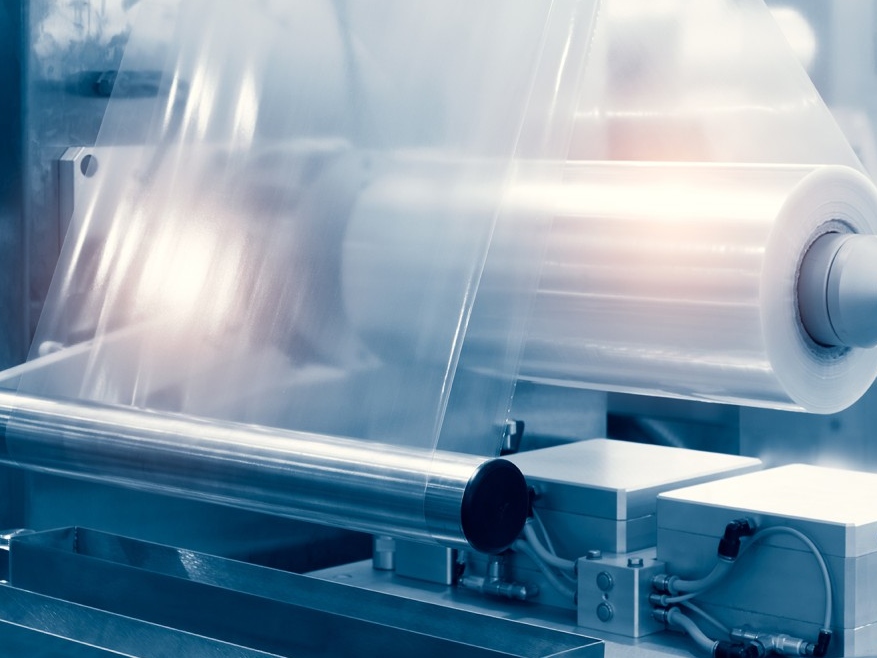
- Transparency maintenance: Keeps clear PP and linear low-density PE (LLDPE) packaging films highly transparent without haze.
- Standard applications: Antioxidant 168 offers adequate color stability for standard industrial parts where extreme clarity is not required.
Thermal Stability and Processing Efficiency
High-temperature processes require the use of an effective high-temperature polymer processing stabilizer stable at temperatures over 280°C.
- High-temperature stability: Antioxidant 626 is very good as a high-temperature polymer processing stabilizer, functioning well at temperatures of 280°C to 300°C.
- Melt flow regulation: Antioxidant 626 for polypropylene regulates the melt flow rate (MFR) precisely in high-speed fiber spinning and injection molding operations.
- Crosslinking inhibition: Antioxidant 168 for polyethylene inhibits the increase in viscosity and gel formation in blown film extrusion.
- Process temperature ranges: Antioxidant 168 works in normal extrusion (180°C–240°C), while Antioxidant 626 is used in engineering polyolefin processing.
Cost-Benefit Analysis
Formulation cost involves evaluating both the purchase price per kilogram and the dosage required to achieve performance targets.
Unit Cost vs. Phosphite Active Content Efficiency
Evaluating additives based solely on cost per kilogram can lead to inaccurate formulation budgets.
- Dosage reduction: Because Antioxidant 626 contains over twice the active phosphorus content of Antioxidant 168, lower loading rates (e.g., 0.05% vs. 0.1%) deliver equivalent peroxide decomposition.
- Cost parity: The lower required dosage of Antioxidant 626 often offsets its higher unit purchase price.
- Inventory reduction: Using lower additive dosages reduces warehouse storage requirements and masterbatch usage volumes.
Synergistic Primary and Secondary Antioxidant System Savings
Combining secondary phosphites with primary hindered phenols creates a high-efficiency primary and secondary antioxidant system.
- Synergistic effect: Phenolic antioxidants (such as Antioxidant 1010 or 1076) trap free radicals, while phosphites decompose hydroperoxides, creating a powerful protection loop.
- Pre-blended convenience: Pre-formulated blends like Raize Antioxidant 215 (1:2 blend) and Antioxidant 225 (1:1 blend) reduce dosing errors and simplify masterbatch production.
- Overall cost savings: Optimized blend systems extend polymer recycle pass counts, reducing scrap rates and raw material waste.
Recommendation Matrix by Resin Type
Matching resin characteristics and processing conditions ensures optimal polyolefin processing stabilizer performance.
Selection Guide for Polypropylene (PP) Applications
Polypropylene requires robust hydroperoxide decomposition due to its high sensitivity to tertiary carbon oxidation.
- PP fiber & non-wovens: Use Antioxidant 626 for polypropylene to prevent gas yellowing, strand breakage, and die-buildup during high-speed spinning.
- High-clarity PP containers: Choose Antioxidant 626 for injection-molded transparent food containers requiring low color index.
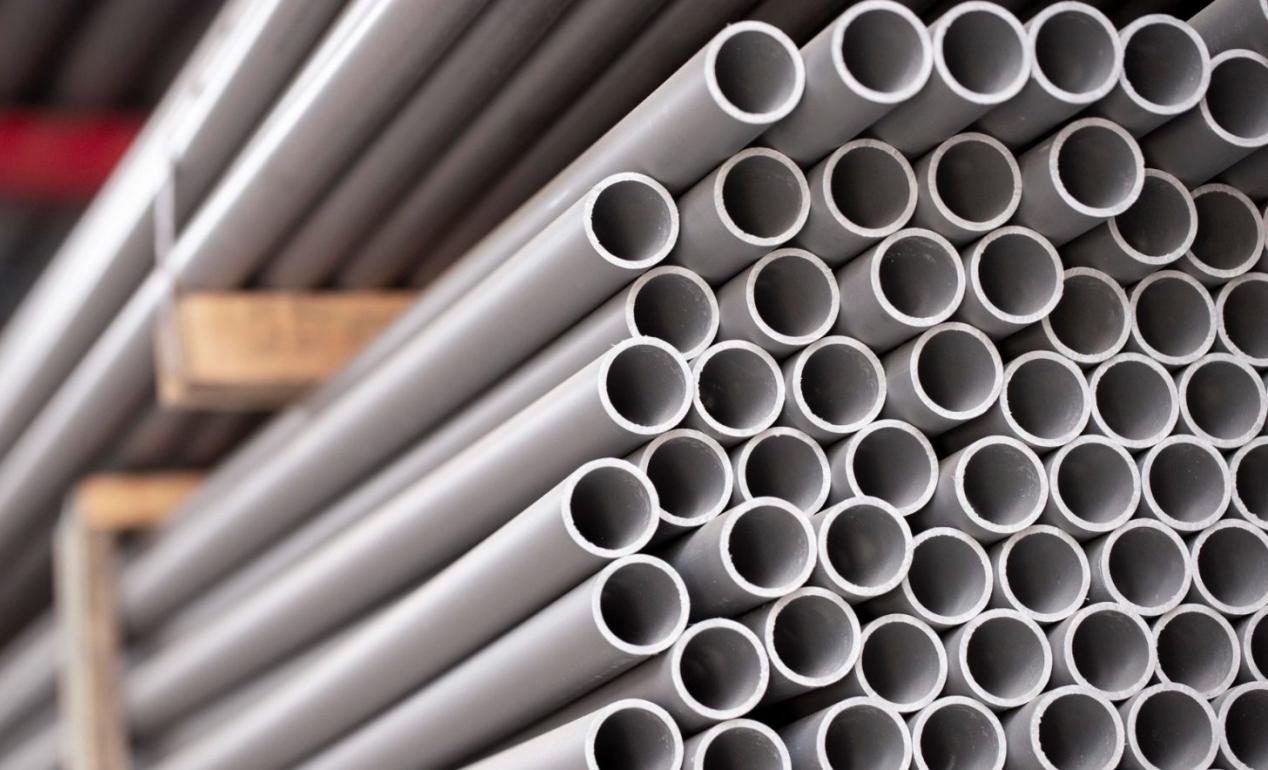
- PP pipe and automotive parts: Choose Antioxidant 168 for polypropylene where long-term hydrolytic stability and cost economy take priority over extreme initial clarity.
Selection Guide for Polyethylene (PE) Applications
Polyethylene processing focuses on preventing melt index drop and gel formation caused by heat-induced crosslinking.
- HDPE/LLDPE blown film: Use Antioxidant 168 for polyethylene to maintain bubble stability, prevent gels, and offer excellent resistance to ambient humidity.
- High-clarity PE food packaging: Select Antioxidant 626 for polyethylene to maximize film transparency, gloss, and color retention.
- Rotomolding & pipe extrusion: Rely on Antioxidant 168 for robust, hydrolytically stable protection during extended heating cycles.
Optimize Your Polyolefin Formulations with Raize
Looking to eliminate yellowing, control melt flow index, or reduce additive formulation costs? Raize offers premium-grade Antioxidant 626, Antioxidant 168, and custom primary and secondary antioxidant system solutions backed by global technical support.
Contact Raize Today to request free samples, technical datasheets, and custom pricing for your processing lines.
FAQ
Q: Can Antioxidant 626 directly replace Antioxidant 168 in existing polyolefin formulations?
A: Yes, Antioxidant 626 can take the place of Antioxidant 168 in many polyolefin mixes. It often works at half the amount. This comes from its higher active phosphorus level. Still, check the handling equipment for moisture. The reason is that 626 shows greater sensitivity to water.
Q: Why does polypropylene turn yellow during thermal processing, and how do secondary phosphites help?
A: Polypropylene turns yellow during processing when heat and shear hit the material. Primary phenolic antioxidants change into colored forms. Secondary phosphites help by breaking down hydroperoxides right away. They prevent these from reacting with the phenolics. This keeps the resin color stable from the beginning.
Q: How does hydrolysis affect phosphite processing stabilizers during storage and compounding?
A: Moisture during storage or compounding breaks phosphites down into acids. These acids can damage processing equipment. They also reduce how well the material resists heat. Powder may cake as a result.
Q: What is the benefit of using pre-blended primary and secondary antioxidant systems over single components?
A: Pre-blended systems give an even spread of phenolic and phosphite additives. This lowers the chance of dosing mistakes. It also shortens the time spent on mixing. The two types work better together to break down peroxides.

Post Comment