




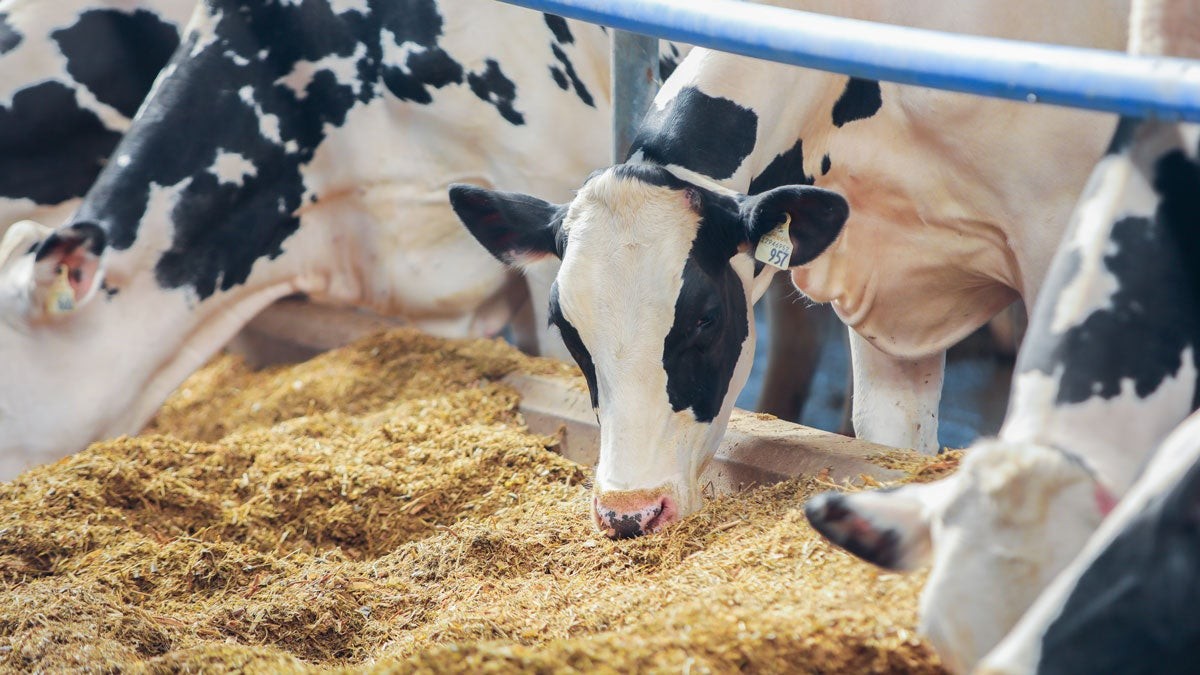
Farms worldwide face stricter limits on Antibiotic Growth Promoters (AGPs). Managers and nutrition teams search for good antibiotic alternatives in animal feed. Raize holds over 15 years as a functional feed additive supplier for items in plastics, food, and feed. It supplies livestock nutrition solutions that guard animal gut health and support better output. The glycerol monolaurate feed additive now counts as a top pick for AGP replacement.
The Imperative Shift from AGPs to Advanced Livestock Nutrition Solutions
Moving off low-level antibiotic use needs livestock feed additives that keep growth rates up and maintain safety on the farm. Current farming setups call for additives that fight germs directly and build better gut structure.
The Hidden Costs of Antibiotic Reliance in Commercial Livestock Operations
Sticking too much with old growth promoters brings risks that build up over time for big operations.
- Bacterial Resistance: Giving small amounts of antibiotics all the time speeds up the growth of tough germ strains.
- Microbiome Disruption: These treatments knock out good gut bacteria too, leaving animals open to other infections that come along.
- Regulatory Compliance: Tougher rules on world trade limit meat with leftover antibiotics used for prevention.
Key Criteria for Selecting Effective Antibiotic Alternatives in Animal Feed
Picking good antibiotic alternatives in animal feed means checking how they work in the body, how steady they stay, and if they make sense for business.
- Targeted Pathogen Control: The best additive goes after bad bacteria like Clostridium perfringens, Escherichia coli, and Salmonella without hurting helpful kinds like Lactobacillus.
- pH Independence: It needs to keep working no matter the acid levels in different parts of the gut.
- Thermal and Chemical Stability: The material must hold up to heat, steam, and pressure when making and pressing feed pellets.
Unlocking the Biological Superiority of Glycerol Monolaurate (GML) Feed Additives
Glycerol Monolaurate (GML) forms from lauric acid and glycerol. Using a GML feed additive beats plain medium-chain fatty acids because it gives key glycerol monolaurate benefits like better activity and steadiness in the gut.
Distinctive Antimicrobial Mechanism and pH-Independent Bioactivity
GML fights germs by breaking the outer layers of certain viruses and Gram-positive bacteria. This makes it a main part of GML animal nutrition.
- Cell Membrane Penetration: GML gets into the fat layers around cells, changes how they work, and causes leaks that kill the bacteria.
- Exotoxin Inhibition: It stops signals that lead to harmful toxins from bacteria, so less harm comes to the gut lining.
- Stable Gastrointestinal Performance: Regular acids lose power in less acidic parts of the gut, but GML keeps its form through the stomach and intestines.
Core Technical Parameters and Quality Specifications of Raize GML
Raize works as a specialized GML feed additive manufacturer and keeps tight checks on every batch.
- High Purity Standard: Raize offers GML with at least 90% active material so each ton of feed gets full strength.
- Strict Heavy Metal Limits: Lead stays at 1.0 mg/kg or less, Arsenic at 3.0 mg/kg or less, and Mercury at 1.0 mg/kg or less to keep livestock safe.
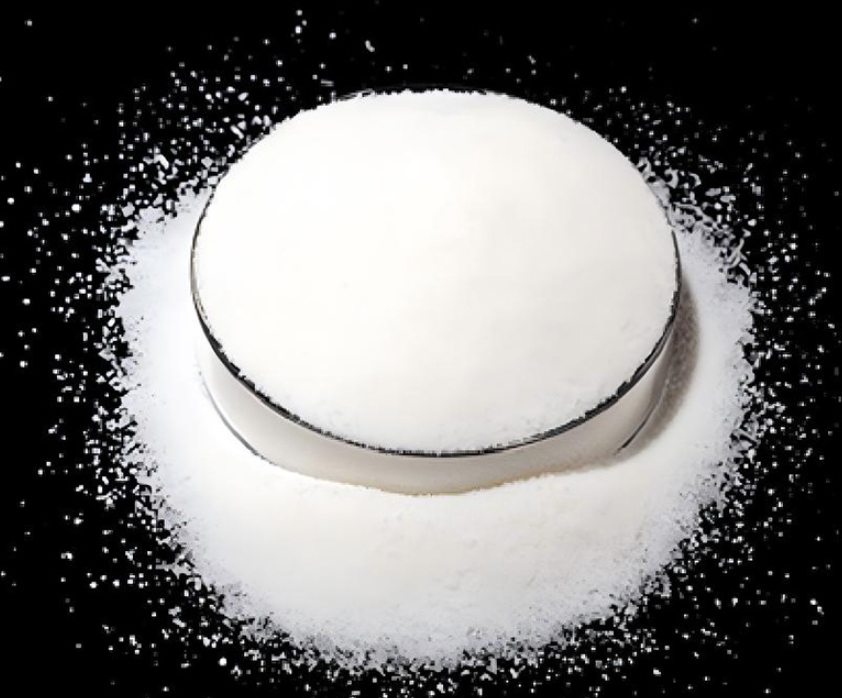
- Optimal Physical Profile: It comes as a white powder that flows well, melts between 45–55°C, and has a low acid value of 2.5 or below for even mixing in premixes.
Practical Application Scenarios: Where GML Solves Production Challenges
Putting glycerol monolaurate feed additive to work hits exact problems in pig, chicken, and feed-making operations.
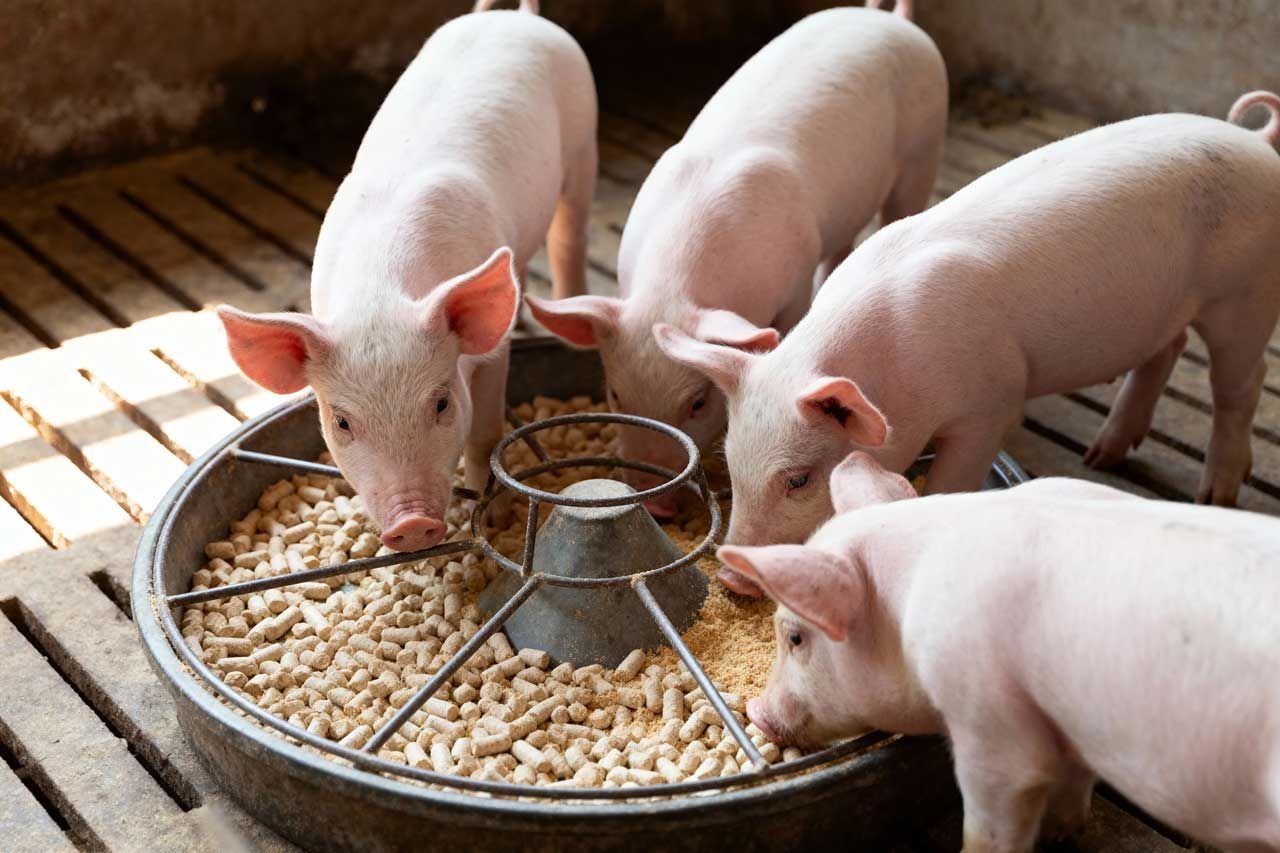
Swine Production: Mitigating Weaning Stress and Post-Weaning Diarrhea
Weaning puts piglets through diet shifts, gut damage, and lots of loose stools.
- Pathogen Suppression in Piglet Nurseries: GML feed additive in young pig diets holds back E. coli growth and cuts down diarrhea and deaths after weaning.
- Villi Architecture Protection: It lowers swelling in the gut so villi stay taller and crypts stay in good balance, helping pigs eat sooner and gain weight faster each day.
Poultry Farming: Enhancing Intestinal Barrier Function and Nutrient Absorption
In meat birds and layers, gut problems hurt how well feed turns into growth and how even the flock stays.
- Control of Necrotic Enteritis: GML stops Clostridium perfringens and lowers cases of gut issues in crowded broiler houses to support animal gut health.
- Improved Nutrient Emulsification: As a monoglyceride, it helps break down fats in feed, so birds take in more energy and use the feed better.
Feed Mill Processing: Thermal Stability and Custom Blending Versatility
Feed plants need livestock feed additives that mix easily and do not break down in hot conditions.
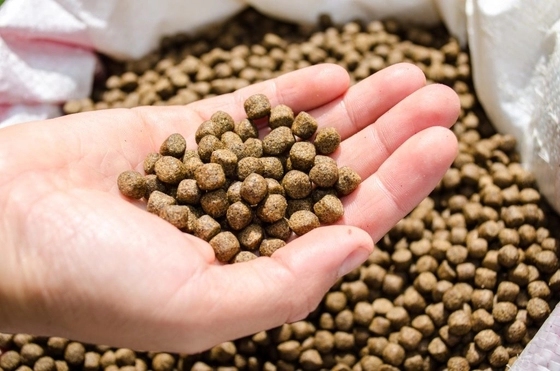
- Pelleting Heat Resistance: Raize GML stays strong through steam and high heat in pellet making.
- Synergistic Blending Potential: It works well with tributyrin, medium-chain triglycerides, or acid mixes so nutrition teams can build special gut health premixes.
Why Partnering with Raize Maximizes Commercial Animal Health ROI
Raize stands as a top animal nutrition ingredient supplier and functional feed additive supplier that gives high-quality items matching world standards at good prices.
Technical Excellence and Cost-Competitive Supply Chain Advantages
Working with Raize gives your operation steady quality backed by global rules.
- Proven Industry Expertise: With over 15 years in special chemicals, Raize keeps purity and steadiness the same from batch to batch.
- Cost-Effective Alternatives: Raize puts together livestock nutrition solutions that hit international marks while keeping costs down for big farms.
Flexible Customization, Mixed Shipments, and No-MOQ Support
As a leading GML feed additive manufacturer, Raize gives custom shipping and supply help for any size operation.
- Tailored Formulations: The company works with customers to make blends that fit exact nutrition needs.
- Mixed Container Shipments: Put different Raize additives like GML, Tributyrin, and MCTs in one container to manage stock better.
- Flexible Order Quantities: No minimum order lets farms try and grow new feed mixes with little upfront money.
Optimize Your Livestock Formulations with Raize
Ready to drop AGPs and raise performance in your animals? Reach out to Raize now for technical sheets, safety info, analysis certificates, or small samples under 500g.
- Email: elma@raizechem.com
- Phone / WhatsApp: +86-13567125417
FAQ
Q: What makes Glycerol Monolaurate (GML) more effective than standard lauric acid in livestock feeds?
A: GML forms as a monoglyceride ester with much stronger action against germs than plain lauric acid. Key glycerol monolaurate benefits include staying steady through different gut acid levels so it reaches the back gut and fights pathogens well.
Q: How does a GML feed additive contribute to reducing antibiotic usage in commercial farming?
A: A GML feed additive breaks the cell walls of bad bacteria and some viruses to stop spread and swelling in the gut. This wide control over germs makes it a fine pick for AGP replacement in GML animal nutrition setups.
Q: Can GML feed additives withstand high-temperature feed pelleting processes?
A: Yes, glycerol monolaurate feed additive holds steady in normal heat and steam during feed making. Its powder shape and melt range of 45–55°C let it spread evenly and keep working in the final feed.
Q: How does GML interact with other functional feed additives like Tributyrin or Organic Acids?
A: GML teams up with other livestock feed additives. Organic acids drop stomach acid levels, while Tributyrin fixes gut lining, and GML hits germ cell walls for full protection of animal gut health.

Post Comment