




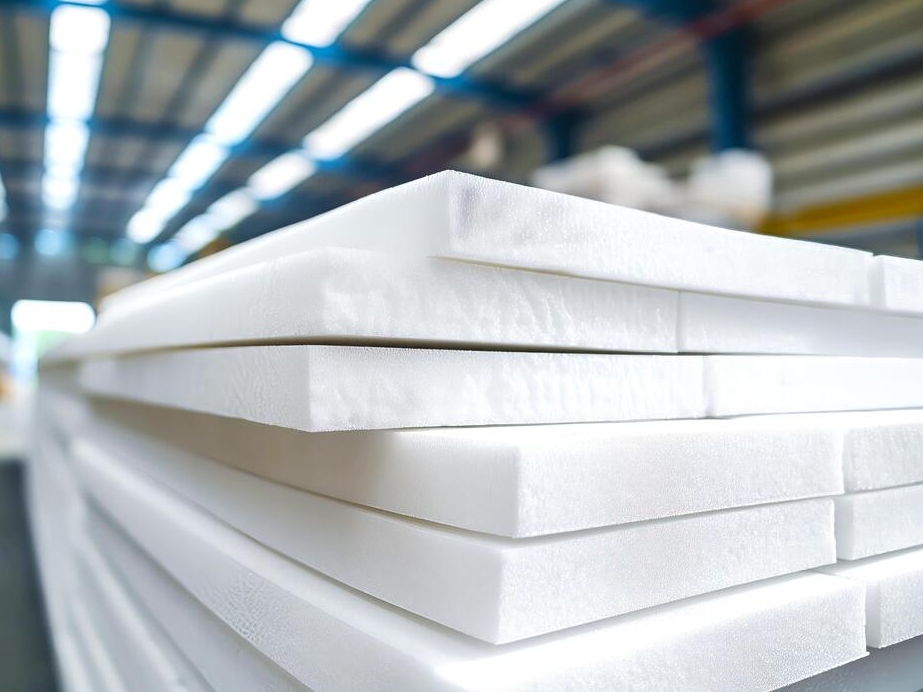
Optimizing Expandable Polystyrene Production with Custom Additive Solutions
Contemporary EPS production requires strict control of the surface chemistry of beads, pre-expansion characteristics, and steam forming. Selection of an optimal custom EPS additive system provides the opportunity for EPS resin manufacturers and molders to overcome technological problems and ensure high consistency of the products. A properly designed system of EPS additives may optimize beads handling, molding process, flame retardant properties, and foams properties.
Precision EPS Additive Formulation for High-Performance Engineering
Customized expandable polystyrene (EPS) processing will need unique chemical compositions that will be able to solve unique processing problems related to foam density and molding machines used for making EPS products.
- Unique EPS Additives Formulation: Designed to take care of unique properties of polymers in the form of unique behavior of the polymer melt, unique bead surface friction and requirements for flame retardance by using a unique EPS coating agent formulation.
- Combination for Polymer Protection: Will involve unique combinations of antioxidants, antistatic agents, and lubricants for polymer protection during high-temperature processing.
- Low-Cost Option for Manufacturer: Direct manufacturer substitute for costly global brands of similar technical performance.
About Raize: Your Trusted EPS Additive Manufacturer in China
Raize is a custom additive manufacturer based in Hangzhou that has been working in the fine chemical additives industry for over 15 years. It specializes in manufacturing and worldwide delivery of chemicals.
- Direct Chemical Manufacturing: Adheres to the highest ISO9001 standards in manufacturing processes and delivers chemical products to over 50+ countries.
- Wide Range of Products: Focused on EPS resin additives, plastic lubricants, food emulsifiers, antistatics, and other expandable polystyrene additives.
- Favorable Terms of Business: Provides custom formulation engineering, mixed containers, and a no-MOQ policy.
Solving Operational Bottlenecks in EPS Pre-Expansion and Bead Handling
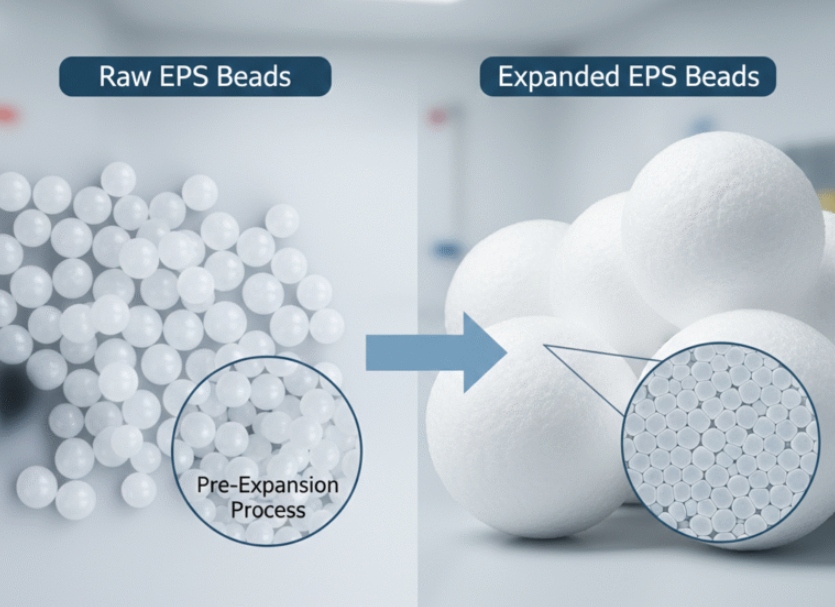
Raw EPS beads experience static charge, friction on surfaces, and incoherent blowing agents losses in both pre-expansion process and pneumatic conveying. EPS process aids or pre-expansion additives would ensure effective bead expansion and proper hopper movement.
Tailored EPS Coating Agents for Anti-Caking and Static Elimination
EPS beads tend to form clusters when uncoated or improperly lubricated EPS beads are used in steam pre-foaming process, resulting in non-uniformity in bead density and even machine clogging. A well-balanced EPS coating agent will aid in better lubrication and in maintaining proper bead separation.
- Tri-Component Balanced Blend: Composed of precise ratio of Glycerol Monostearate (GMS), Glycerol Tristearate (GTS), and Zinc Stearate (ZnSt2).
- Elimination of Static Charge: Works as an efficient EPS antistatic coating agent, avoiding accumulation of static charges during pneumatic transportation at high speed.
- Pre-Expansion Anti-caking: Works as an anti-caking agent and pre-expansion additive for EPS beads, avoiding formation of bead clusters within steam pre-expanders.
Enhancing EPS Bead Flowability and Storage Stability
The proper lubrication of the surface allows retaining individual beads during intermediate aging and silo storage. Well-chosen additives for EPS resins would allow maintaining beads properties from pre-expansion through final molding.
- Controlled Blowing Agent Emission: Controls the emission of pentane during the pre-foaming and aging, preserving expandability for final molding.
- EPS Beads Flowability Additives: An EPS beads flowability additive lowers surface particle friction that allows smooth gravity filling into complicated molds.
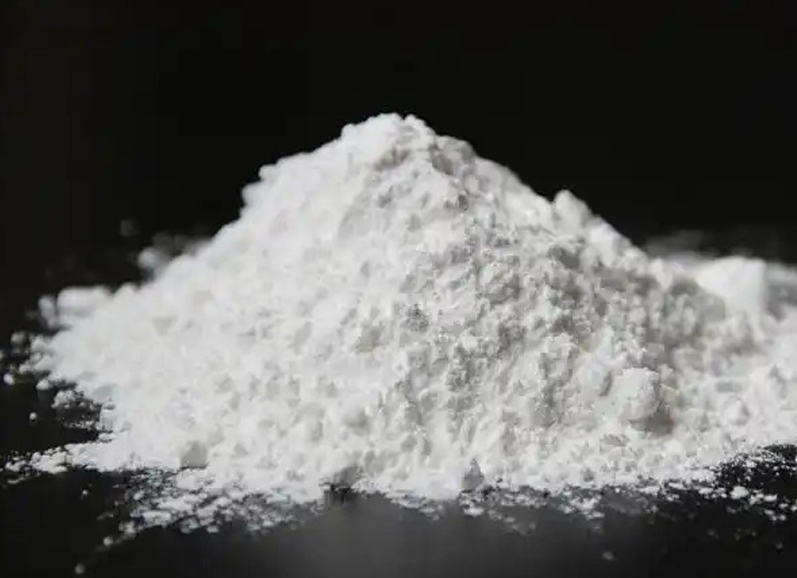
- Extended Life Stability: Pure white powder formulations (size of particles ≥95% 200 mesh) avoid cake formation during extended storage at 25°C.
Maximizing Molding Efficiency and Flame Retardant Performance
Molding process efficiency determines overall plant capacity, whereas stringent building code requirements necessitate environmentally friendly flame retardance in construction insulation blocks. An exclusive EPS additive blend is capable of achieving both.
Reducing Molding Cycle Times with High-Purity Stearate Additives
Long cooling time of shape and block molding machines reduces the daily production rate as well as increases energy cost per ton of produced EPS foam.
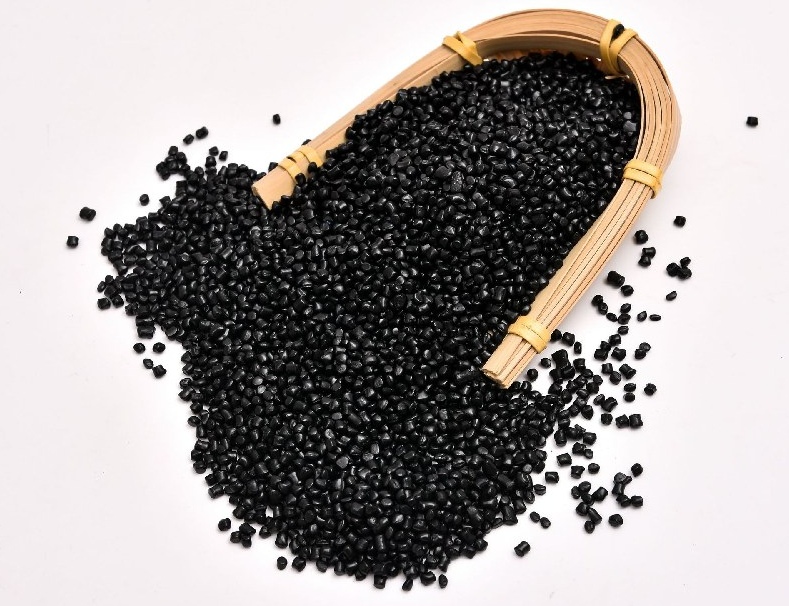
- Control of Melt Strength: Highly pure GTS (≥95% triglycerides) regulates polymer melt strength and surface tackiness upon steam heating.
- EPS Molding Cycle Time Additive: EPS molding cycle time additive facilitates faster thermal energy transfer and mold release resulting in reduced cooling times.
- Internal/External Demold Release from Clean Mold: Zinc Stearateacts as an internal/external release agent, preventing tearing of foam and residue from mold walls.
Sustainable Flame Retardant Formulations for Building Insulation
Regulatory changes involve the discontinuation of the use of hexabromocyclododecane (HBCD) in both expanded and extruded polystyrene foam insulation. Proper selection of EPS flame retardant helps in maintaining the physical property while enhancing its fire resistant property.
- EPS Flame Retardant FR130: It is a high-performance halogenated additive type flame retardant intended to replace HBCD in an environmentally friendly way.
- High Thermal Stability: Its high bromine content (65.8%) makes it thermally stable having 5% TGA decomposition point of 268°C.
- Preserved Physical Property: Maintains flame retardancy even when used in lesser amounts without effecting thermal or mechanical stability.
Functional Innovations for Thermal Insulation and Custom Resins
High-end thermal insulators require the use of infrared reflective agents, and specific engineering applications need specific chemical modifications. Working with a customized EPS coating agent manufacturer allows for custom resin formulation and better bead processing control.
High-Purity Carbon Black Masterbatch for Grey EPS Insulation
The Grey EPS ensures greatly reduced thermal conductivity due to its reflective properties of infrared rays making it suitable for efficient building exteriors.
- Optimization of Carrier Formula: Manufactured using a 60% ratio of Polystyrene (PS) carriers and 40% ratio of high quality Carbon Black in powdered form.
- Suspension Polymerization Resistance: Instantly dissolves into Styrene Monomer (SM) without interfering with the suspension polymerization process and resulting in batch failure.
- Uniform Dispersion: Ensures even distribution of carbon black particles within expanded foam beads in a small 5%-7% dosage range.
Turnkey Custom Formulation and Rapid Technical Support
As an EPS coating agent producer in China, Raize offers comprehensive technical integration from lab formulation to plant trial. Bespoke formulation ensures that each EPS coating agent formula can be customized according to the viscosity grades of resins and the needs of the custom EPS additive formula.
- Bespoke Product Formulation: Customizes melting point, particle size distribution, and fatty acid esters ratio according to the viscosity grade of resins and custom EPS additive formula demands.
- Quick Free Sample Supply: Offers free testing samples (less than 500g) together with comprehensive TDS, COA, and MSDS documents.
- Professional Logistic Service: Can ensure standard delivery within 10 to 15 days, and is accompanied by professional export service.
Accelerate Your EPS Production Today
Optimize the production process of expandable polystyrene resin using the latest EPS resin additives and EPS processing aid solutions. Reach out to Raize now to order a complimentary sample under 500g, get your COA/TDS documents, or consult on custom EPS additive formulation needs.
- Email: elma@raizechem.com
- Direct Line / WhatsApp: +86-13567125417
FAQ
Q: In what way does a custom EPS coating agent prevent bead caking during steam pre-expansion?
A: The combination of glycerol monostearate (GMS) and zinc stearate in a custom EPS coating agent creates a microfilm barrier that minimizes friction and surface melting due to the injection of steam, thus preventing fusion before the complete filling of the mold cavity.
Q: Which additive systems will be effective for reducing molding cooling time in shape molding machines?
A: The use of high-purity Glycerol Tristearate (GTS) and Zinc Stearate creates optimized heat transfer and surface crystallization rates. The EPS molding cycle time additive system ensures faster vacuum cooling, faster stabilization of foam cell walls, and quick mold ejection.
Q: Why should FR130 be used instead of regular flame retardants in EPS resin production?
A: FR130 ensures high thermal stability (5% TGA at 268°C) and excellent flame retardancy properties even when used in small amounts. The EPS flame retardant formulation is environmentally friendly, free from HBCD, and maintains the mechanical strength and density distribution of EPS foam.
Q: In what way can the carbon black masterbatch be introduced during polymerization without causing the suspension to fall apart?
A: Introduction of the carbon black masterbatch is possible by using a special grey EPS masterbatch with a 60% PS carrier, which will allow its immediate solubility in the styrene monomer phase prior to polymerization.

Post Comment