




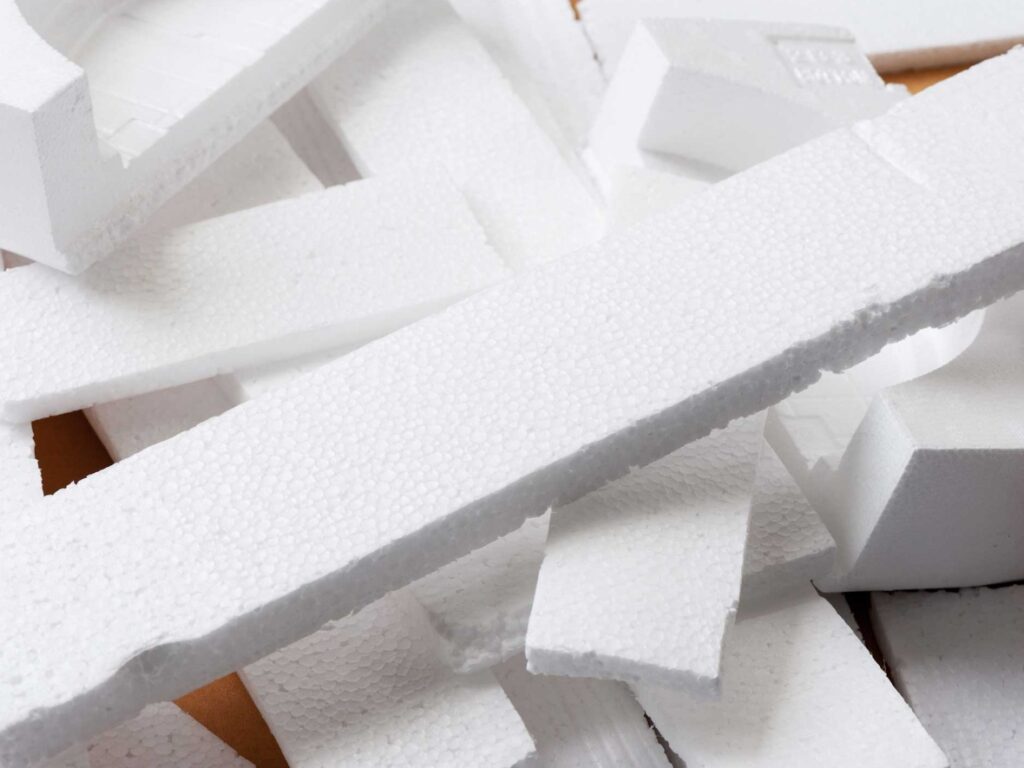
In EPS manufacturing, optimal bead performance depends on the proper control of surface chemistry. The following problems occur in the course of pre-expansion, pneumatic conveying, and steam chest molding of untreated EPS beads:
- Electrostatic Charge: Friction during air conveying causes beads to adhere to pipe walls and silo hoppers.
- Pre-Foam Clumping: Steam expansion softens bead surfaces, causing severe inter-particle agglomeration.
- Blowing Agent Loss: Uncontrolled surface permeability results in premature pentane loss.
- Cavity Filling: Poor dry flowability causes voids in complex-shape molding.
- Mold Sticking: High fusion temperatures result in foam tearing during ejection.
While single-component additives resolve particular problems, modern high-speed EPS manufacturing needs a comprehensive approach. Using a synergistic ternary blend of GMS GTS zinc stearate for EPS will ensure multi-functional protection throughout the whole process of production. An appropriately formulated GMS GTS zinc stearate blend will be able to act as an EPS coating additive, providing static control, bead separation, flowability, and mold release. As a Chinese chemical additive manufacturer, Raize has over 15 years of experience in the chemical industry, providing its customers from more than 50 countries with high-performance and cost-effective additive formulations.
Technical Synergy: How GMS, GTS, and Zinc Stearate Function Together
The combination of mono- and triglycerides with metallic stearates forms a multi-level protective coating on the expanded polystyrene beads. An EPS coating formulation serves to address electrostatic, thermal, and mechanical issues faced during all stages of processing the resin.
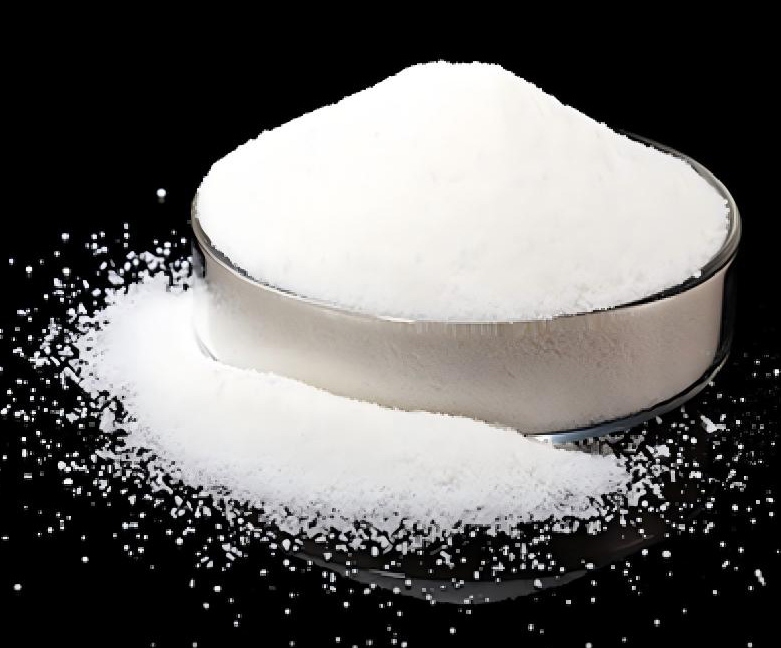
Glycerol Monostearate (GMS) – Internal Lubrication and Antistatic Control
GMS functions as an important surfactant that reduces surface charge and alters polymer flow when thermally processed.
- Anti-static dissipation: GMS for EPS coating helps make the bead surface hydrophilic and counteracts static charge generated as a result of friction during air conveyance, thereby helping the function of the EPS anti-static coating agent.
- Reducing Melt Viscosity: Acts as an internal lubricant while processing, hence reducing melt viscosity.
- Surface polishing: Enhances surface shine on molded expanded foams.
Glycerol Tristearate (GTS) – Controlled Pre-Foaming and Thermal Regulation
GTS offers a high-purity hydrophobic coating layer that maintains bead integrity when heated.
- Anti-Agglomeration: The GTS used in EPS coating acts as a physical thermal barrier to prevent agglomeration of beads within steam pre-expanders, and thus forms part of the EPS bead clumping solution.
- Blowing Agent Control: Controls pentane permeation, hence minimizing gas loss during expansion and aging.
- Melt Strength Modification: Stabilizes cell walls when heated, thus minimizing cooling cycles during molding.
Zinc Stearate – High-Temperature Lubricity and Mold Release
Zinc stearate provides crucial dry lubrication and metallic soap demolding effectiveness.
- Dry Lubrication: Zinc stearate use in EPS greatly decreases surface friction among non-inflated beads.
- Demolding Effectiveness: Acts as a highly effective mold release agent for EPS, resulting in easy ejection of parts without surface damage.
- Thermal Co-Stabilization: Operates in tandem with GMS and GTS to improve overall thermal stability.
Industrial Application Scenarios and Manufacturing Pain Points Solved
Operational bottlenecks during the transportation of beads to be processed by molding in the steam chest result in stoppages and waste generation for EPS manufacturers. The GMS GTS zinc stearate is designed to cope with these difficulties and serve as a versatile EPS coating medium.
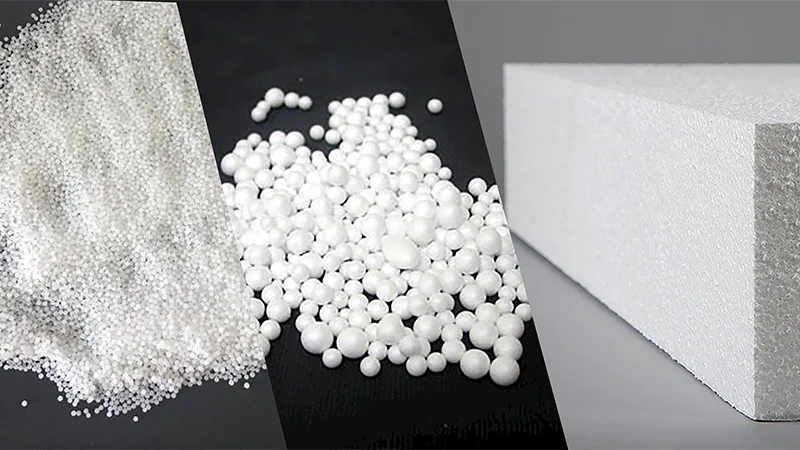
Pre-Expansion and Storage – Eliminating Caking and Static Charge
Proper pre-foaming involves temperature control and electrostatic dissipation for proper bead density.
- Static Charge Dissipation: As an EPS antistatic coating agent, the mixture acts as a means to prevent static adhesion in pneumatic pipelines and hopper walls.
- Clumping Prevention: As a total EPS bead clumping solution, the mixture makes sure that the EPS beads remain individually separated in fluidized bed dryers.
- Anti-Caking Storage: As an EPS anti-caking agent, the mixture acts as a way of preventing bead agglomeration when being shipped for long distances at temperatures less than 25°C.
- Pre-Expansion Stability: As a premium EPS pre-expansion coating agent, the mixture acts to control bead swelling in high-pressure steam.
Shape and Block Molding – Optimizing Cycle Times and Demolding
Effective foam molding depends on fast mold filling, full bead melting, and quick ejection times.
- Fast Cavity Filling: Adding an EPS bead flow modifier ensures perfect bead motion into small cavities in molds.
- Short Cycle Times: Properly controlled heat provides maximum melt strength, thus reducing time needed for steam heating and water cooling.
- Perfect Ejection: Addition of properly balanced EPS coating modifier prevents stickiness to the surfaces of the molds.
- Proper Custom Formulation: Accurate custom formulation of the product leads to a highly flexible EPS coating agent for high-density packaging or construction blocks.
Why Choose Raize as Your EPS Additive Partner
Raize integrates the advantages of its expertise in scientific formulation with those of manufacturing. Raize is an established EPS coating agent producer in China that offers flexibility in formulation based on the size, density, and processing of beads.
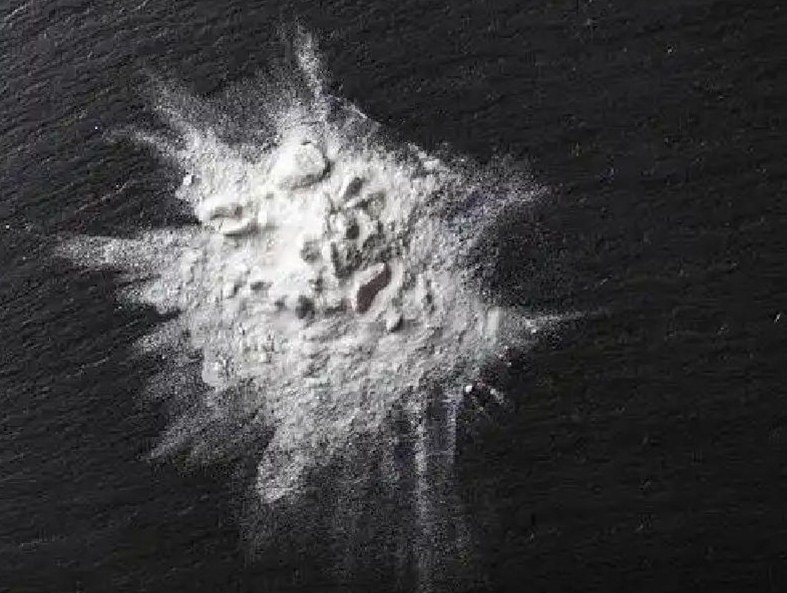
Customized Formulations and Direct Manufacturer Advantages
Technical customization and flexible service conditions ensure that the resin producer is capable of achieving maximum cost efficiency.
- Custom Blending Services: Being recognized as a reliable EPS coating agent manufacturer in China, Raize presents its customized GMS GTS zinc stearate ratio depending on particular bead sizes and density grades.
- Technical Excellence in Formulation: The state-of-the-art EPS coating agent formula allows for performance comparable to that of international market leaders at affordable factory-direct prices.
- Quality Control: The product undergoes a rigorous quality control process to make sure that total ash content is ≤0.15%, moisture ≤0.2%, and pass rate is ≥95% at 200 mesh (75μm).
- Flexible Global Services: Raize proposes a business model with customer orientation, absence of minimum order quantities, shipping of mixed cargoes, free samples up to 500g in size and prompt 10-15 days deliveries.
Ready to Eliminate Bead Clumping and Reduce Cycle Times?
Ready to address bead clumping and mold cycle times and ensure EPS processing efficiency? Work with Raize as an effective chemical additives supplier. Get in touch with our engineering department now to get your free samples below 500 g), get Technical Data Sheets (TDS/COA), or discuss customized EPS coating agent and EPS coating agent formulation needs for your unique plant circumstances.
- Email: elma@raizechem.com
- Phone / WhatsApp: +86-13567125417
FAQ
Q: Why is a combined coating agent of GMS, GTS, and Zinc Stearate superior to single-component lubricants for EPS production?
A: A single component can only handle a specific problem. GMS for EPS coating offers anti-static and internal lubricity; GTS for EPS coating controls pre-foaming expansion and blowing agent retention; zinc stearate for EPS improves dry bead flowability and mold release. The combination of all three forms a comprehensive protective layer for all aspects of electrostatic, thermal, and mechanical processing.
Q: What is the suggested dosage and particle size specification for an EPS coating agent?
A: The dosage of EPS coating agents is usually between 0.2%-0.6% of EPS resin beads in weight terms, depending on bead size and density requirements. To ensure uniform surface coverage, the EPS coating agent should have high fineness, with over 95% passing through a 200-mesh (75μm) sieve.
Q: How does the coating composition help to avoid caking during the long storage period and maritime transportation?
A: Hydrophobic GTS and Zinc Stearate coating compositions create a protective layer of moisture resistance on the surface of the raw beads, while antistatic GMS coating composition decreases inter-bead friction. Stored in dry conditions and at temperatures not exceeding 25°C, the anti-caking EPS composition will remain effective for many months.
Q: Is it possible to customize this coating composition for EPS types with flame retardancy or grey graphite characteristics?
A: Yes. Special types of EPS materials have their specific thermal conductivity and surface properties, and the ratio of the GMS GTS zinc stearate for EPS coating composition should be optimized in order to achieve compatibility of coatings with active ingredients under the beads’ surface.

Post Comment