




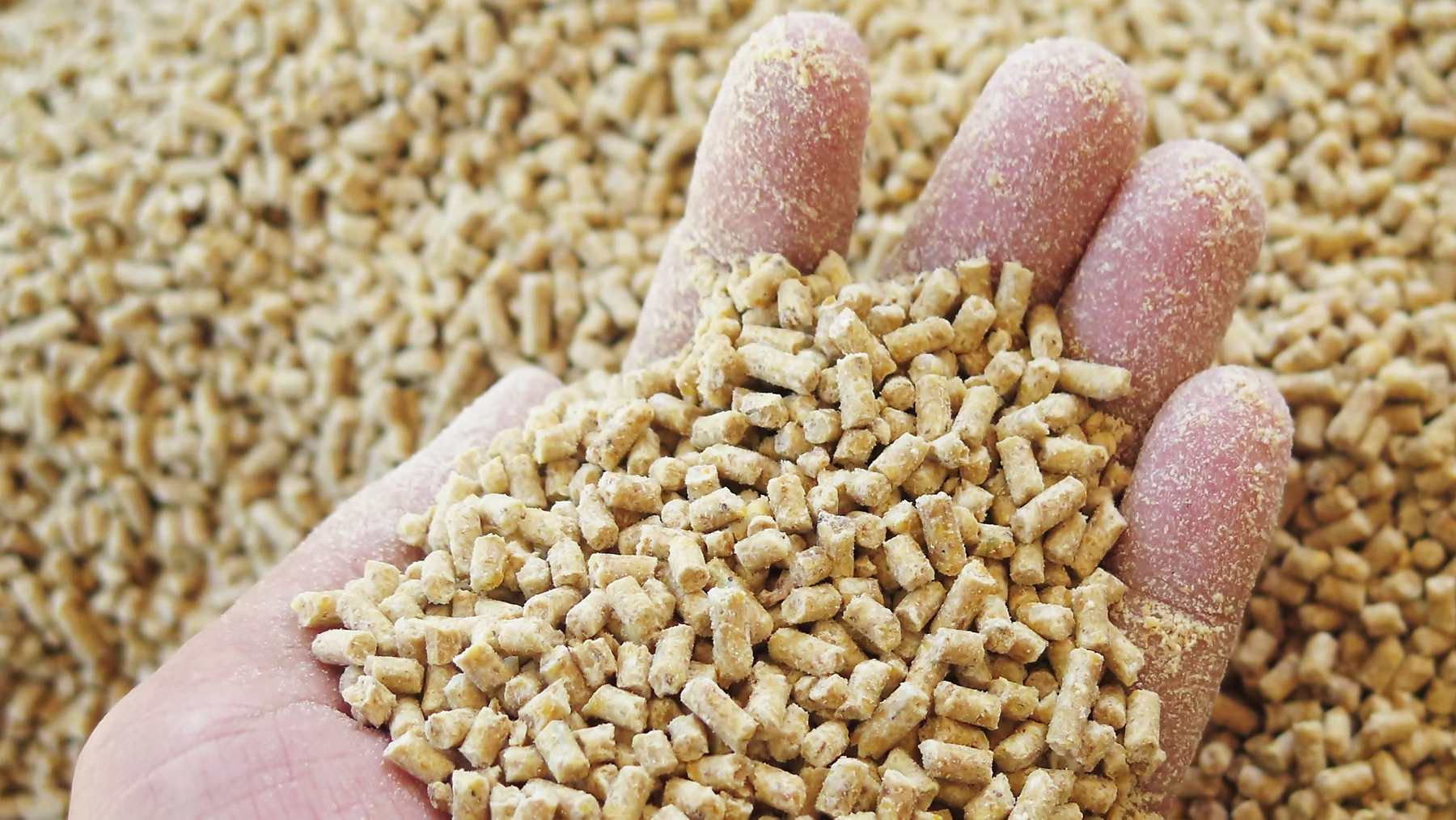
In current farming operations, boosting calorie levels while keeping the gut healthy is a constant hurdle for feed makers and nutrition experts. Feed fat acts as the most energy-dense feed energy source in feed formulation. It gives more than twice the metabolizable energy of carbs per unit of weight. As animal breeds improve and they grow faster, grasping the basics of lipid digestion, uptake, and energy availability becomes vital for making top-tier diets. As a leading animal feed ingredient manufacturer, Raize provides cutting-edge livestock nutrition solutions. These solutions connect basic biology rules with highly effective feed additive tools.
The Critical Role of Feed Fat in Modern Animal Diets
Grasping the bodily and financial value of packed feed energy in high-output animal nutrition.
Unlocking Energy Availability Through Lipids
Lipid digestion acts as the base for rich feed formulation plans. These plans fulfill the growing calorie needs of today’s farm animals.
- Caloric Efficiency: Feed fat items offer about 9 kcal/g of total energy. This allows high-producing chickens, pigs, and dairy cows to reach their daily food needs. They can do this even when they do not want to eat much.
- Essential Fatty Acids: Fats in the diet give vital linoleic and alpha-linolenic fatty acids. These help build cells, manage the immune system, and make hormones.
- Fat-Soluble Nutrient Absorption: Good lipid digestion helps dissolve and absorb key fat-soluble vitamins (A, D, E, and K). This happens across the gut lining.
Mechanisms of Lipid Digestion and Metabolizable Energy Optimization
Looking at how different fatty acid types and processing methods affect mixing and gut uptake.
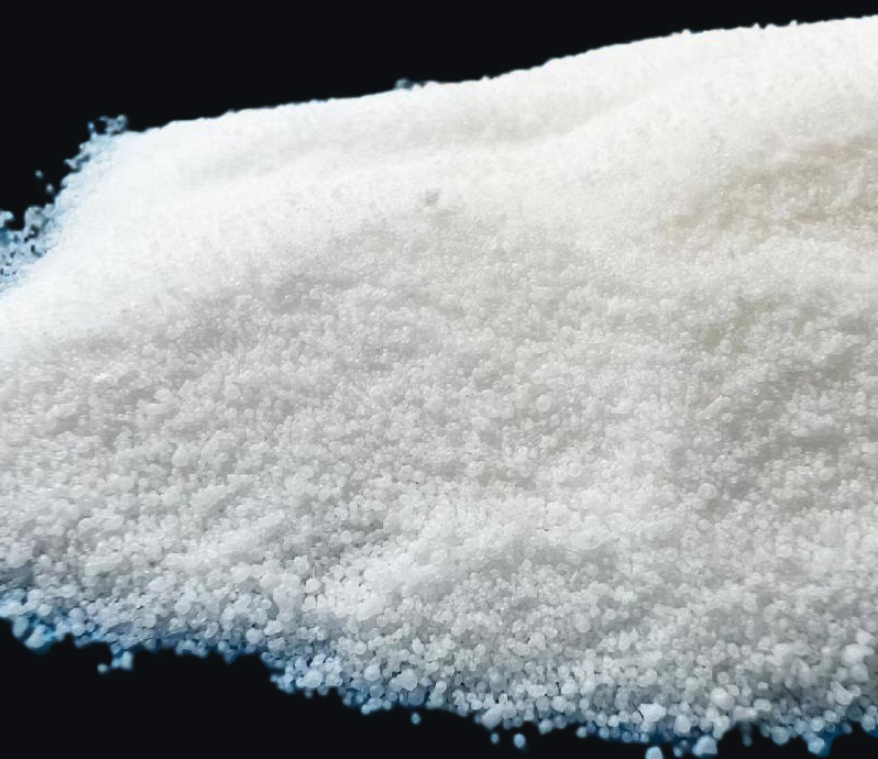
The Enzymatic Breakdown and Absorption of Fatty Acids
The enzyme breakdown of fats decides how well dietary feed fat turns into actual metabolizable energy for the animal.
- Emulsification Phase: Bile salts split large, water-hating fat drops into smaller, mixable bits in the small gut. This increases the surface area for enzymes to work.
- Hydrolysis Mechanism: Pancreatic lipase breaks fats down into free fatty acids and 2-monoglycerides.
- Micelle Formation & Absorption: Mixed micelles carry broken-down fats through the still water layer to the gut cells. There, they are rebuilt and released as chylomicrons into the lymph system.
Ruminant vs. Non-Ruminant Fat Utilization and Bypass Fat Technologies
Rumen defense stops biohydrogenation. This ensures high-energy fat is taken up straight in the lower gut using special bypass fat options.
- Rumen Microflora Sensitivity: Eating a lot of unsaturated free-fed fat can cover rumen bugs. This slows down fiber breakdown and lowers dry food intake.
- Rumen-Protected Fats: Solid fat shapes or calcium soap mixes fight off rumen bug breakdown. This lets bypass fat move through the rumen whole.
- Abomasal Release: Once bypass fat lipids get to the sour setting of the abomasum and small gut, they break apart neatly. This allows for great uptake and the most energy availability.
Commercial Application Scenarios: Solving Livestock Production Challenges
Focusing on specific farming hurdles with custom feed fat and feed additive fixes to boost animal results.
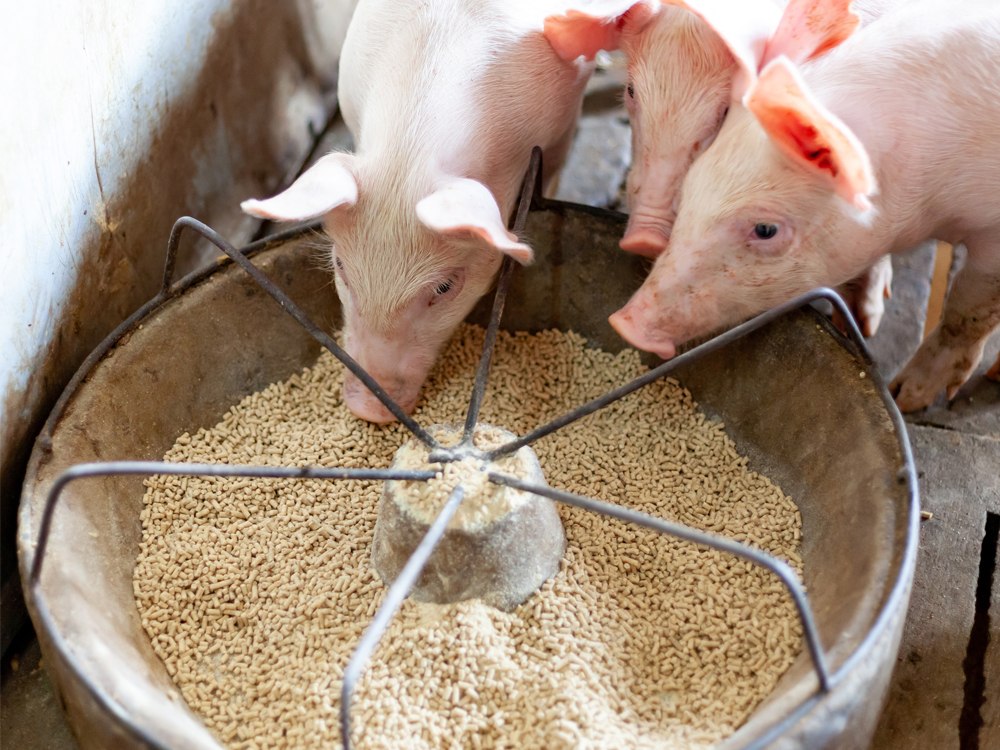
Addressing Heat Stress and High-Energy Intake Drops in Poultry and Swine
High-fat feed formulation plans lower the heat made during digestion. At the same time, they keep up vital feed energy density.
- Reducing Metabolic Heat Production: Breaking down feed fat makes much less body heat than fiber or protein. This protects animals from heat stress during hot times.
- Sustaining Daily Weight Gain: Packed feed fat powder and steady feed additive choices cut down growing times. They also improve daily feed use rates in chicken and pig farming.
- Gut Health Enhancement: Mixing fat-soluble energy carriers with specific feed additive choices like Tributyrin and Glycerol Monolaurate (GML) strengthens the gut wall. This also lessens diarrhea after weaning.
Eliminating Negative Energy Balance in High-Yielding Dairy Cows
Rumen-bypass fat gives thick metabolizable energy straight to the abomasum. It does this without messing up rumen bugs.
- Early Lactation Deficits: Dairy cows early in milking often face a negative energy balance. This is because milk energy output is higher than what they can eat.
- Calcium Soap and Hydrogenated Lipids: Using very pure hardened fats or calcium soap items from a reliable calcium soap supplier raises energy density. It does this without bothering fiber-eating bacteria.
- Milk Fat and Body Condition Optimization: Specific fatty acid addition directly betters milk fat making. It also keeps body condition scores good during peak milking.
Raize Livestock Nutrition Solutions: Engineering Superior Feed Additives
Finding out how exact making and custom livestock nutrition solutions give steady quality and a high return on money spent.
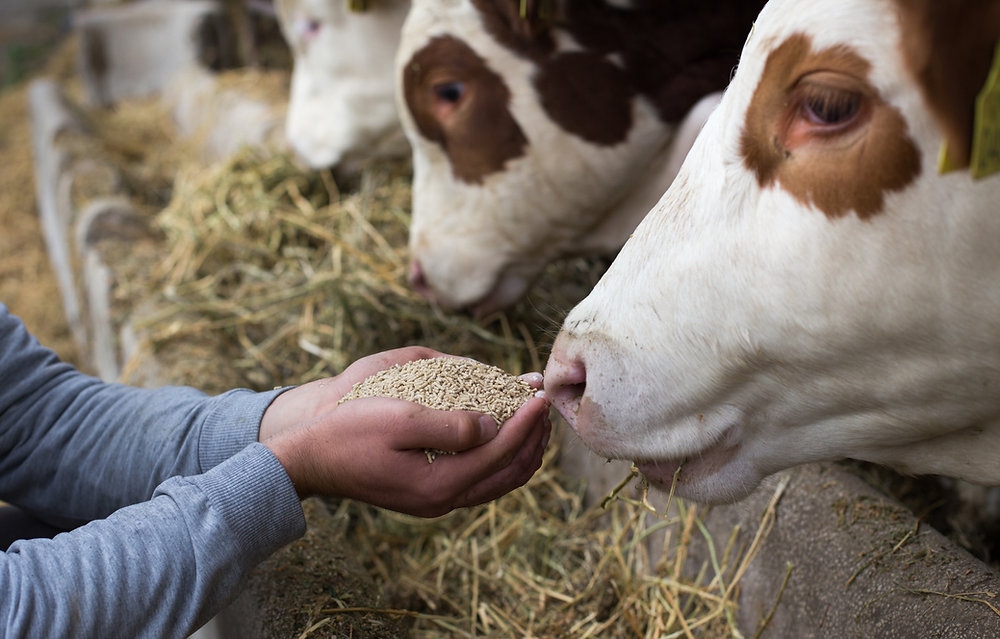
Specialized Product Portfolio and Technical Superiority
As a top animal feed ingredient manufacturer, our feed additive range offers specific energy options. These are made for the best stability, easy digestion, and simple handling.
- Hydrogenated Palm Stearin: Available in fine powder and flake forms (melting point 58–60°C). It works as a steady feed fat source and a physical holding base.
- Hydrogenated Soybean Oil: Very pure powder/flake choices (melting point 68–70°C). These are made for special animal nutrition mixes that need high heat stability.
- Synergistic Health & Energy Additives: Modern feed additive choices such as Tributyrin, Medium Chain Triglycerides (MCT), and Glycerol Monolaurate (GML) improve gut bugs along with fat uptake.
Flexible Supply Chain and Client-Centric Services
Our worldwide supply skills give feed mills flexible buying and custom product changes. We act as a trusted feed fat supplier and bypass fat manufacturer.
- No-MOQ Flexibility: We help feed businesses of all sizes with a zero minimum order rule. This promotes market speed.
- Customized Formulations & Mixed Shipments: Raize gives custom feed additive mixes and combined container shipping. This cuts down buying costs.
- Rapid Global Logistics: Trusty delivery times within 15–20 days after order agreement. This is backed by full COA, TDS, and MSDS papers.
- Complimentary Sampling: Free samples up to 500g are given. This lets you check physical steadiness, spreading, and food details before big orders.
Request a Quote or Free Sample Today
Are you set to better your feed formulation and get higher energy availability in your farm work? As a global feed fat supplier, calcium soap supplier, and bypass fat manufacturer, Raize gives great livestock nutrition solutions at good prices.
Reach out to Raize today to ask for your free 500g sample. You can also get TDS/MSDS sheets, or talk about custom feed additive mixes made for your farming goals!
- Email: elma@raizechem.com
- Phone / WhatsApp: 0086-13567125417
FAQ
Q: How does adding feed fat improve feed conversion efficiency in warm weather?
A: Feed fat creates a lower heat increase compared to carbs and proteins. This means less body heat is made during lipid digestion. This aids animals in maintaining high metabolizable energy intake and growth rates even when heat stress lowers normal food intake.
Q: What is the difference between unsaturated fats and hydrogenated bypass fats in ruminant animal nutrition?
A: Unsaturated fatty acids can mess with rumen bug breakdown and fiber digestion. Hydrogenated bypass fat items have higher melting points. They stay unchanged in the rumen, moving straight to the abomasum and small gut. This allows for good uptake without upsetting the bug balance.
Q: How do medium-chain triglycerides (MCTs) and tributyrin complement dietary feed fat in animal diets?
A: While long-chain feed fat gives main feed energy, MCTs and tributyrin act as a special feed additive. This additive is quickly broken down in the gut. It offers instant fuel for gut cells, builds up gut wall strength, and betters overall lipid digestion and uptake.
Q: What physical forms of feed fat are most suitable for commercial feed mill processing?
A: Spray-dried powders and easy-flowing flakes from a known animal feed ingredient manufacturer are great for dry mixing and making pellets. They stop oil leaks, ensure even spreading throughout the mix, and keep physical stability during high-heat treating.

Post Comment