




Energy Status of Fats in Animal Diets and Digestion Bottlenecks
Dietary fats and oils form the densest energy source in current animal feeds. They yield more than twice the metabolizable energy of carbohydrates for the same weight. Full economic use of these expensive ingredients rests on a solid knowledge of lipid digestion in animals. Products from firms such as Raize Chemical target this need directly.
The High-Energy Challenge in Modern Animal Nutrition
High-energy diets are required if modern poultry and swine are to express their genetic potential.
- Energy Density: Fats provide essential fatty acids and the fat-soluble vitamins A, D, E and K while raising the caloric load of the diet.
- Cost Efficiency: Higher dietary fat digestibility helps formulators reduce the feed cost needed for each kilogram of body-weight gain.
- Metabolic Heat Reduction: Lipid metabolism releases less heat than carbohydrate metabolism, so animals handle heat stress more readily.
Endogenous Limitations in Young and High-Yielding Livestock
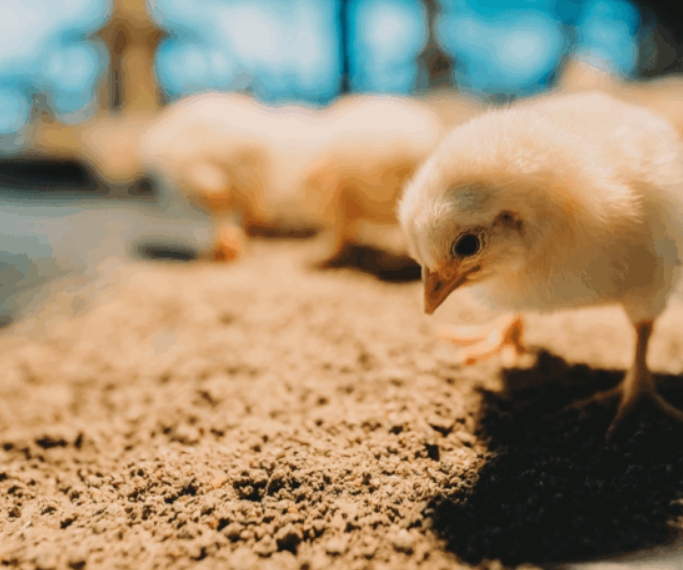
Young animals commonly have digestive systems that are still maturing, which restricts their natural capacity for fat digestion and absorption.
- Immature Secretion: Broiler chicks and newly weaned piglets secrete limited amounts of pancreatic lipase and bile salts in the first weeks after hatching or weaning.
- Saturated Fat Hindrance: Tallow, palm oil, and recycled grease hold high shares of saturated fatty acids that reduce overall fat digestibility in animals.
- Gut Transit Speed: Rapid passage of digesta in high-performing broilers shortens the time available for enzymatic lipid hydrolysis.
Core Mechanism: Water-Oil Immiscibility and Bile Salt Limitations
A clear view of how feed emulsifiers improve fat digestibility starts with the physical and biological barriers inside the gastrointestinal tract.
The Physics of Water-Oil Immiscibility in the Gut Digesta
In the watery digesta of the small intestine, dietary fats that remain un-emulsified gather into large, inactive lipid globules. This is a main physical obstacle in the mechanism of lipid digestion in animals.
- High Surface Tension: Strong interfacial tension between water and fat keeps lipid droplets large and clustered.
- Restricted Lipase Access: Water-soluble pancreatic lipase cannot easily reach the interior of large hydrophobic droplets without an effective feed emulsifier for fat digestion.
- Nutrient Trapping: Intact fat structures can trap fat-soluble vitamins and other hydrophobic nutrients, so they leave the animal unabsorbed in the manure.
Biological Shortfalls of Endogenous Bile Salts
Bile salts produced by the liver act as natural surfactants, yet examination of bile salts and fat digestion shows that the body’s supply often cannot meet the demands of intensive production.
- Quantity Bottlenecks: High dietary fat levels quickly exhaust the endogenous bile-salt pool in growing livestock.
- Hydrophilic-Lipophilic Imbalance: Natural bile salts carry fixed HLB values that may not match varied feed-fat blends such as soy oil versus tallow.
- Enterohepatic Recycling Delay: Reabsorption and resecretion of bile salts consume metabolic energy and time, which limits peak digestion rates.
Emulsifier Action: Interfacial Tension, Micelle Formation, and Lipase Activation
An exogenous animal feed emulsifier closes the distance between water-phase enzymes and oil-phase nutrients. Close study of the feed emulsifier mechanism shows how these additives raise lipid-use efficiency.
Lowering Interfacial Tension for Droplet Dispersion
Every nutritional emulsifier contains amphiphilic molecules that possess both water-attracting and fat-attracting parts.
- Surface Tension Breakdown: An effective feed emulsifier settles at the oil-water boundary and lowers interfacial tension.
- Particle Fine-Dispersion: Large fat globules are broken into millions of sub-micron droplets that spread evenly through the digesta.
- Stabilized Emulsions: Surface charges on the droplets keep them from joining together again during intestinal transit.
Accelerating Micelle Formation and Absorption
How emulsifiers improve lipid absorption in animals depends largely on micelle formation in fat digestion. Hydrolyzed fatty acids are converted into stable, transportable micro-micelles.
- Micro-Micelle Synthesis: A monoglyceride feed emulsifier assists free fatty acids and bile salts in forming mixed micelles smaller than 10 nanometers.
- Mucosal Wall Transport: The small size of these micelles permits rapid movement through the unstirred water layer that covers intestinal enterocytes, raising lipid absorption in animals.
- Cellular Uptake Facilitation: Monoglycerides fuse directly with enterocyte membranes and improve the transfer of fatty acids into the lymphatic system.
Expanding Lipase Surface Area Interaction
Enzymatic cleavage of triglycerides into monoglycerides and free fatty acids depends strictly on available surface area.
- Exponential Surface Area Growth: Reducing fat-droplet diameter from 20 microns to 1 micron multiplies the reactive surface by more than twenty times.
- Enhanced Enzyme Kinetics: Pancreatic lipase and colipase attach to the enlarged interface without physical obstruction.
- Reduced Energy Waste: Faster breakdown leaves less unabsorbed fat to reach the hindgut and thereby limits unwanted bacterial growth.
Practical Applications in Livestock and Commercial Solutions by Raize
Putting the role of emulsifiers in animal nutrition into farm results requires reliable feed additives supported by chemical manufacturing experience. Raize has more than fifteen years of work in additives for plastics, food, and feed. The company supplies emulsifier products that help improve feed-conversion ratios and reduce formulation costs.
Feed Emulsifiers in Poultry Nutrition and Pig Diets
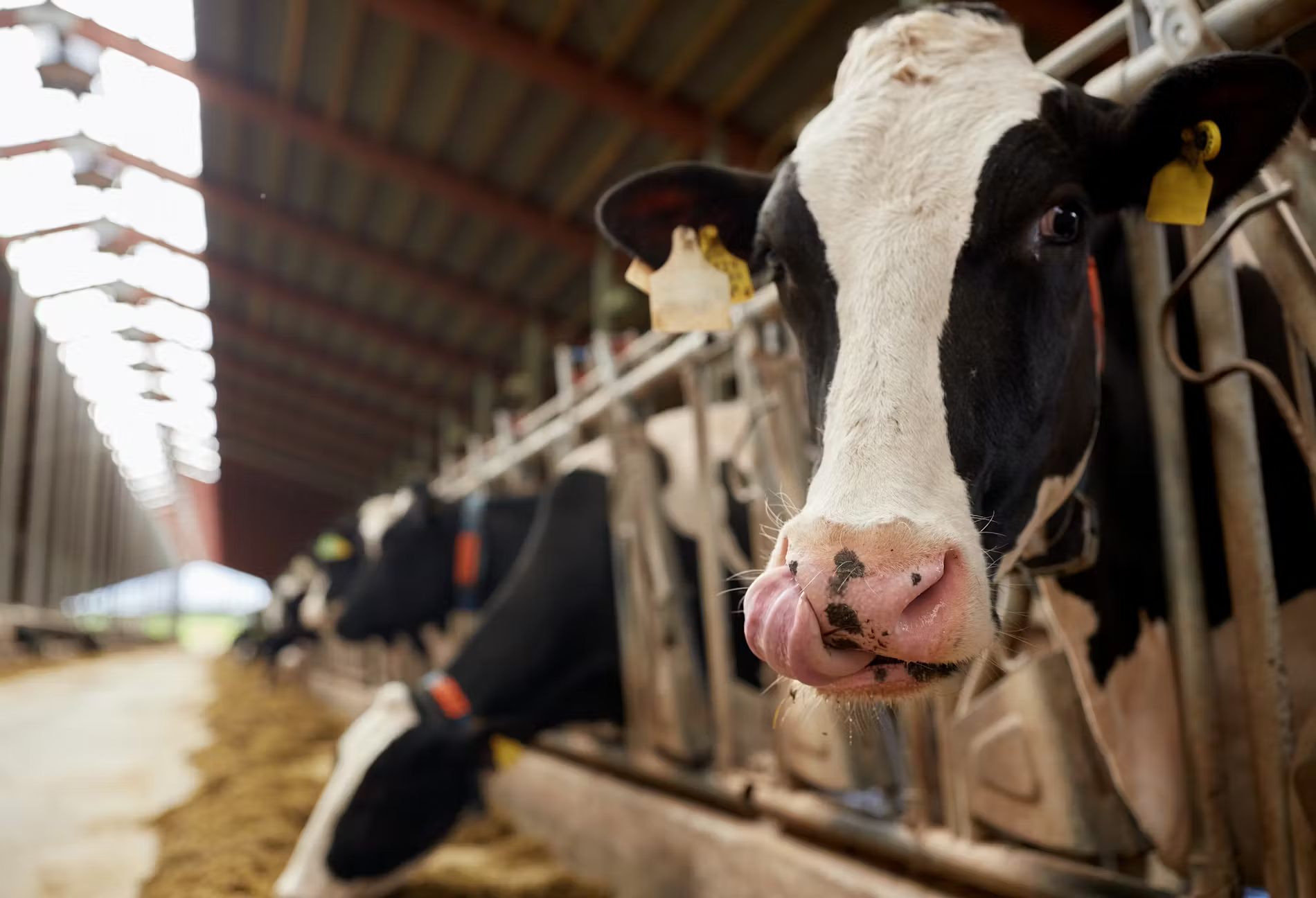
Species-specific trials confirm the practical value of an animal feed emulsifier across production stages.
- Feed Emulsifier for Poultry: A feed emulsifier for poultry raises crude-fat digestibility by 3 % to 6 %. This permits energy-matrix cuts of 50–75 kcal/kg in starter feeds while body-weight gain remains unchanged, showing the usefulness of the emulsifier in poultry nutrition.
- Layer Hen Health: Better uptake of vitamins A, D3 and E supports thicker eggshells and more even yolk colour.
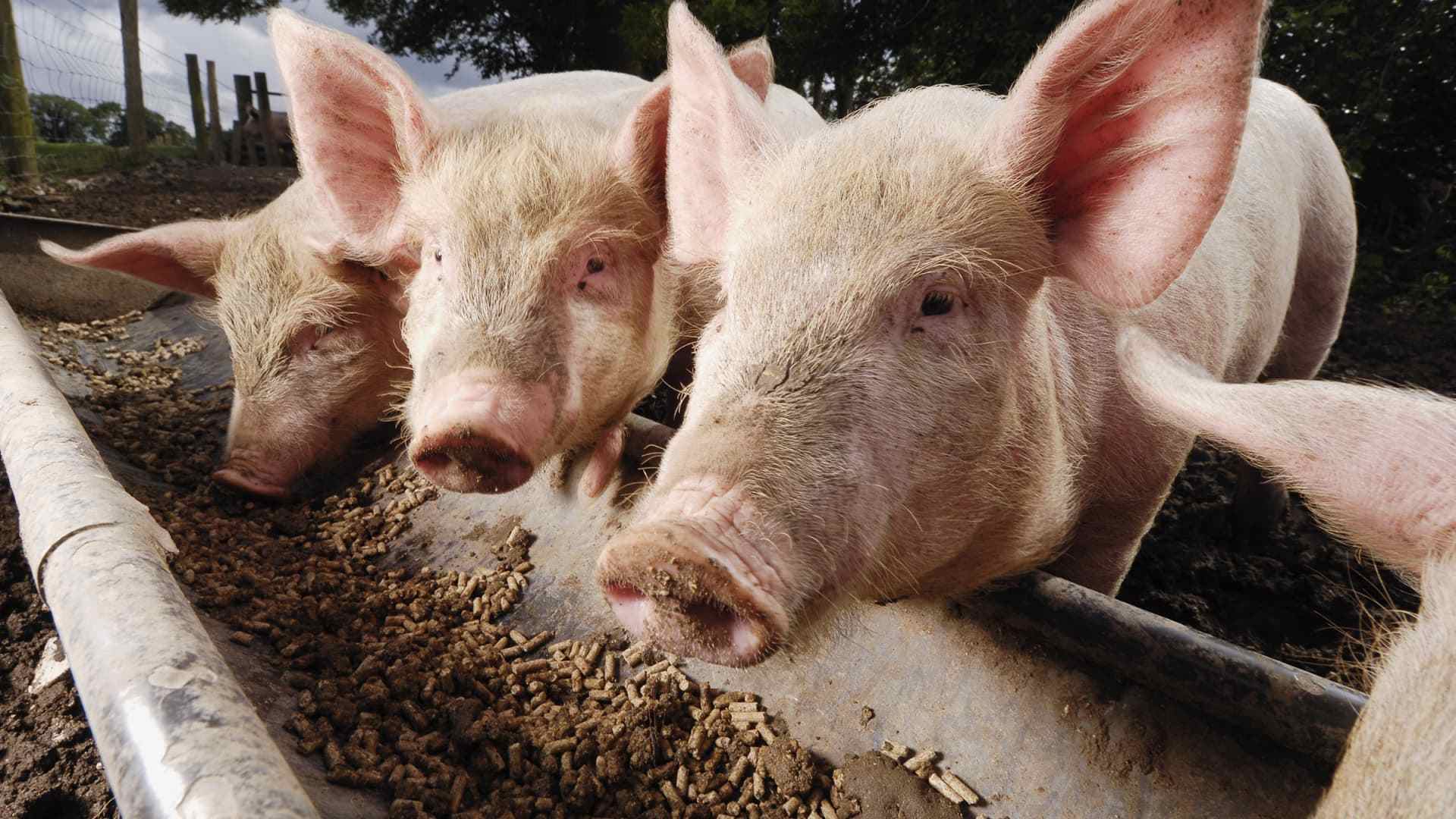
- Feed Emulsifier for Pigs: In weanling piglets, a feed emulsifier for pigs, commonly a monoglyceride feed emulsifier, eases post-weaning digestive upset, improves fat digestibility from mixed vegetable and animal fats, and helps keep stools firm.
Raize Tailored Emulsifier Solutions and Value-Added Services
Raize combines pure chemical synthesis with practical customer support to supply international-standard feed additives at competitive prices.
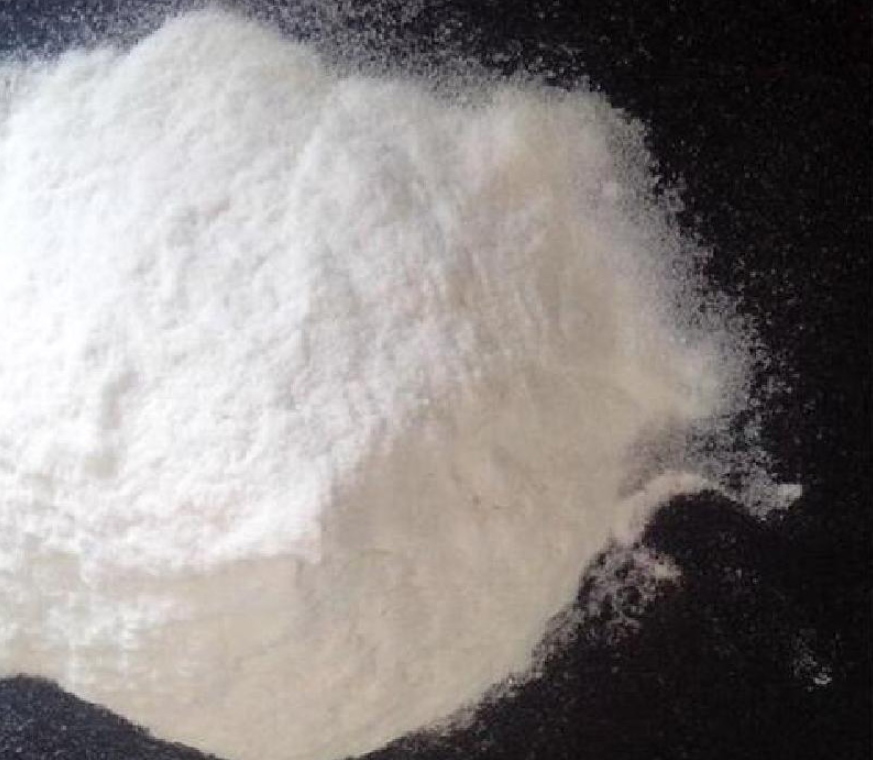
- Product Range: The range includes high-purity Glycerol Monostearate (GMS) with HLB 3.8–4.2, Polyglycerin Stearate with HLB 5–8, Sorbitan Monostearate with HLB 4.7, and dual-function Glycerol Monolaurate (GML) that supplies both emulsification and gut-health support.
- Customized Formulations: Technical staff work directly with feed mills to create specific feed emulsifier blends matched to the oils in use, whether soybean oil, lard, or poultry fat.
- No-MOQ & Free Sampling: A flexible no-minimum-order policy and free samples under 500 grams are available on request so that trial work can start quickly.
- Mixed Shipment Convenience: Customers may place feed additives together with food-grade or industrial-grade materials in the same container, which lowers shipping costs.
Elevating Animal Lipid Digestibility and Feed Efficiency
Capturing the full caloric value of dietary fats means working past natural limits of lipid hydrolysis and absorption. When an engineered nutritional emulsifier is included, interfacial tension falls, micelle formation proceeds more readily, and overall fat digestibility in animals rises while feed costs decline.
Partner with Raize today to improve your feed formulations. Contact the technical team at elma@raizechem.com or request a free 500 g sample to test high-performance nutritional emulsifiers suited to your livestock programs.
FAQ
Q: What is the primary difference between endogenous bile salts and exogenous feed emulsifiers?
A: Endogenous bile salts are limited in amount and carry fixed HLB values. An exogenous nutritional emulsifier can be supplied with chosen HLB values that lower surface tension more effectively and speed micelle formation in high-fat diets.
Q: How do feed emulsifiers help lower overall feed costs in commercial feed formulation?
A: Raising dietary fat digestibility by 3 % to 6 % with an animal feed emulsifier lets nutritionists cut added oil or fat by 50–75 kcal/kg while animal growth performance stays the same.
Q: Can feed emulsifiers improve the digestibility of saturated fats like tallow or palm oil?
A: Yes. Saturated fats contain long-chain fatty acids that resist natural emulsification. A specialized feed emulsifier for fat digestion breaks these hydrophobic fats into fine micro-droplets so lipase can act more efficiently.
Q: What Hydrophilic-Lipophilic Balance (HLB) range is ideal for feed emulsifiers in animal diets?
A: For feeds based on vegetable oils or animal fats, a feed emulsifier with HLB values between 3.8 and 8.0, such as Glycerol Monostearate or Polyglycerin Stearate, gives reliable oil-in-water emulsification inside intestinal fluid.

Post Comment