




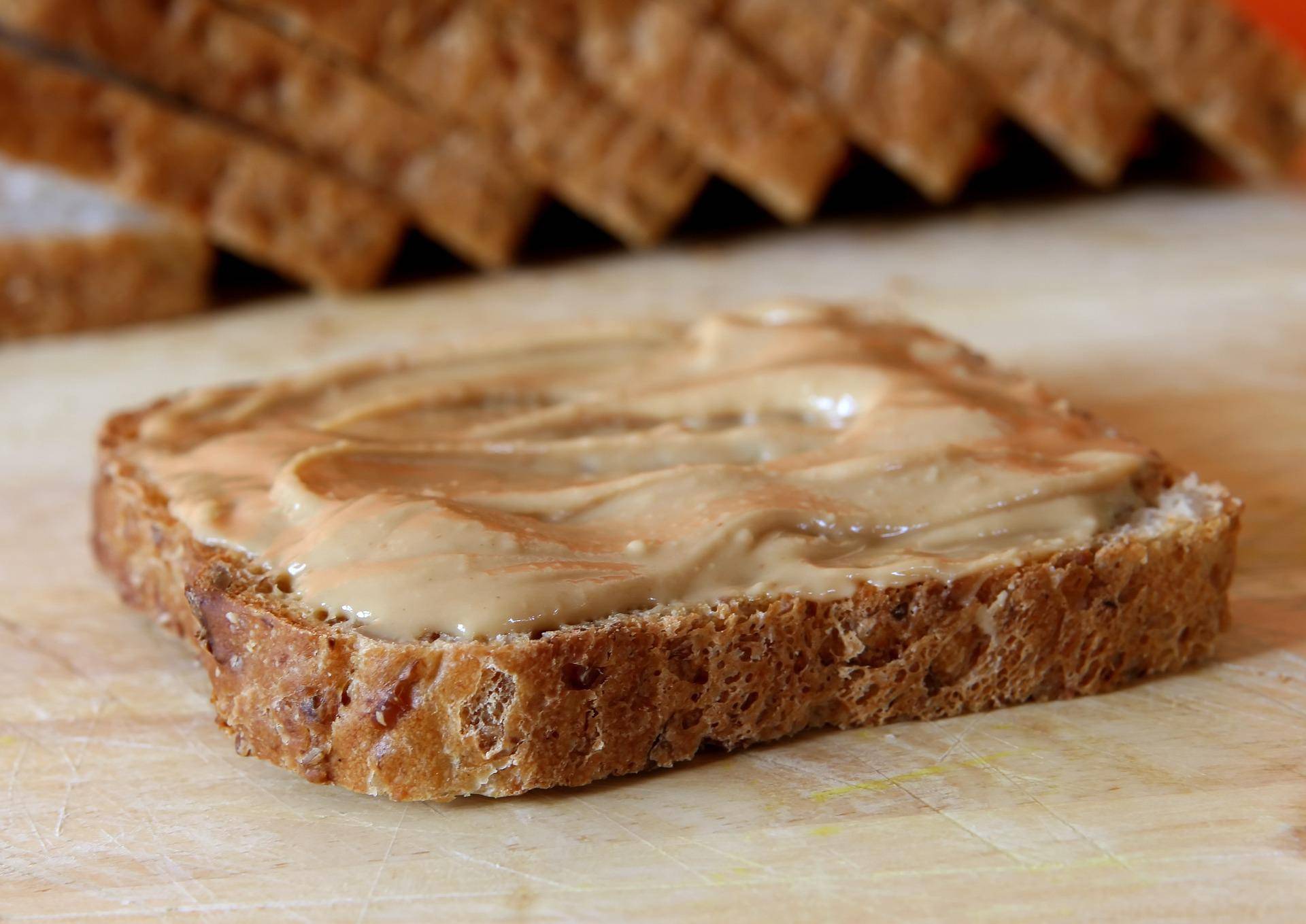
When a customer opens a jar of good chocolate hazelnut spread or unwraps a piece of fine chocolate, they look for a smooth, glossy, and enjoyable product. Yet nothing hurts brand trust faster than seeing a layer of separated oil on top of a spread or noticing a dull, whitish film on a chocolate bar. For food manufacturers and development teams, stopping oil separation remains a common difficulty. It calls for good knowledge of how fats behave, careful processing steps, and the right functional ingredients.
Raize serves as a major global additive manufacturer with more than 15 years of experience in the plastics, food, and feed areas. The company creates strong food emulsifiers that help brands reach high product stability at reasonable costs. This article looks at how Raize’s high-purity Glycerol Distearate works as a useful tool for processors who want to remove phase separation and keep consistent texture throughout the product’s shelf life.
Understanding the Mechanism of Stabilizing Complex Food Matrices
Keeping fat-based food systems stable means managing the balance between liquid oils and solid fat structures.
The Thermodynamic Challenge in Fat-Based Systems
Without the right stabilizer, liquid fats tend to move and collect over time because of gravity and changes in temperature.
- Liquid Oil Bleeding: Products like peanut butter hold plenty of free liquid oil. This oil can slip away from the solid particle network while the product sits on the shelf.
- Temperature Sensitivity: Warmer storage conditions speed up melting in the fat system. This weakens the crystal structure and lets oil rise to the top.
- Textural Degeneration: Once oil separates, the material left at the bottom of the container often turns hard and dry. It becomes harder to spread or use in further processing.
How Glycerol Distearate Prevents Phase Separation
Glycerol Distearate works as a strong structural modifier. It mixes well with different surfactants across a range of pH levels and helps form a lasting fat network.
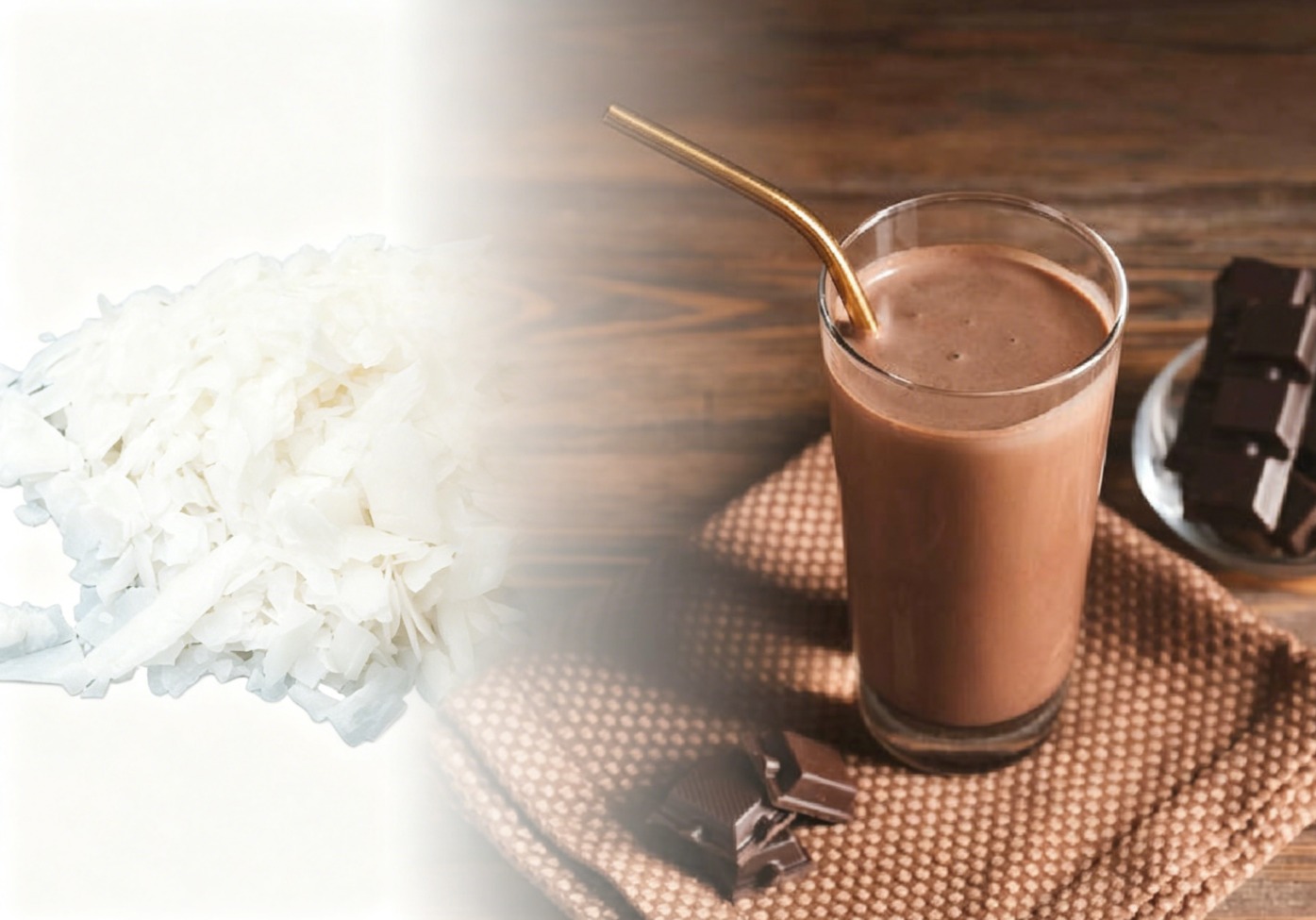
- Crystal Network Modification: The additive encourages smaller, stable fat crystals known as beta-prime crystals. These create a tight three-dimensional mesh that holds liquid oil in place.
- Viscosity Control: It structures the fat phase during production. This improves flow on the line and supports a smooth eating quality that lasts.
- Interfacial Tension Reduction: The ingredient gathers at boundaries between fat types. It slows oil movement and keeps particles evenly suspended in the mixture.
Practical Applications in Premium Spreads and Chocolate Confectionery
Ideas only matter when they perform well in real factory conditions and during distribution.
Eliminating Oil Bleeding in High-Fat Nut Spreads
Nut spreads with high oil content often face separation issues. The correct crystal modifier makes a big difference in keeping quality over time.
- Peanut and Hazelnut Spreads: When processors add Raize’s Glycerol Distearate, oil stays mixed in. Jars show no pooling at the top even after storage at temperatures up to 35°C.
- Improved Spreadability: The product keeps a smooth, creamy feel from the first use until the jar is empty. It avoids the common problem of a hard, dry layer at the bottom.
- Shear Stability: The strengthened fat structure holds together during high-speed filling and pumping. This protects quality right after the product is packed.
Enhancing Texture and Bloom Resistance in Chocolate Formulations
In chocolate work, managing fat movement helps avoid surface problems and keeps the product looking good.
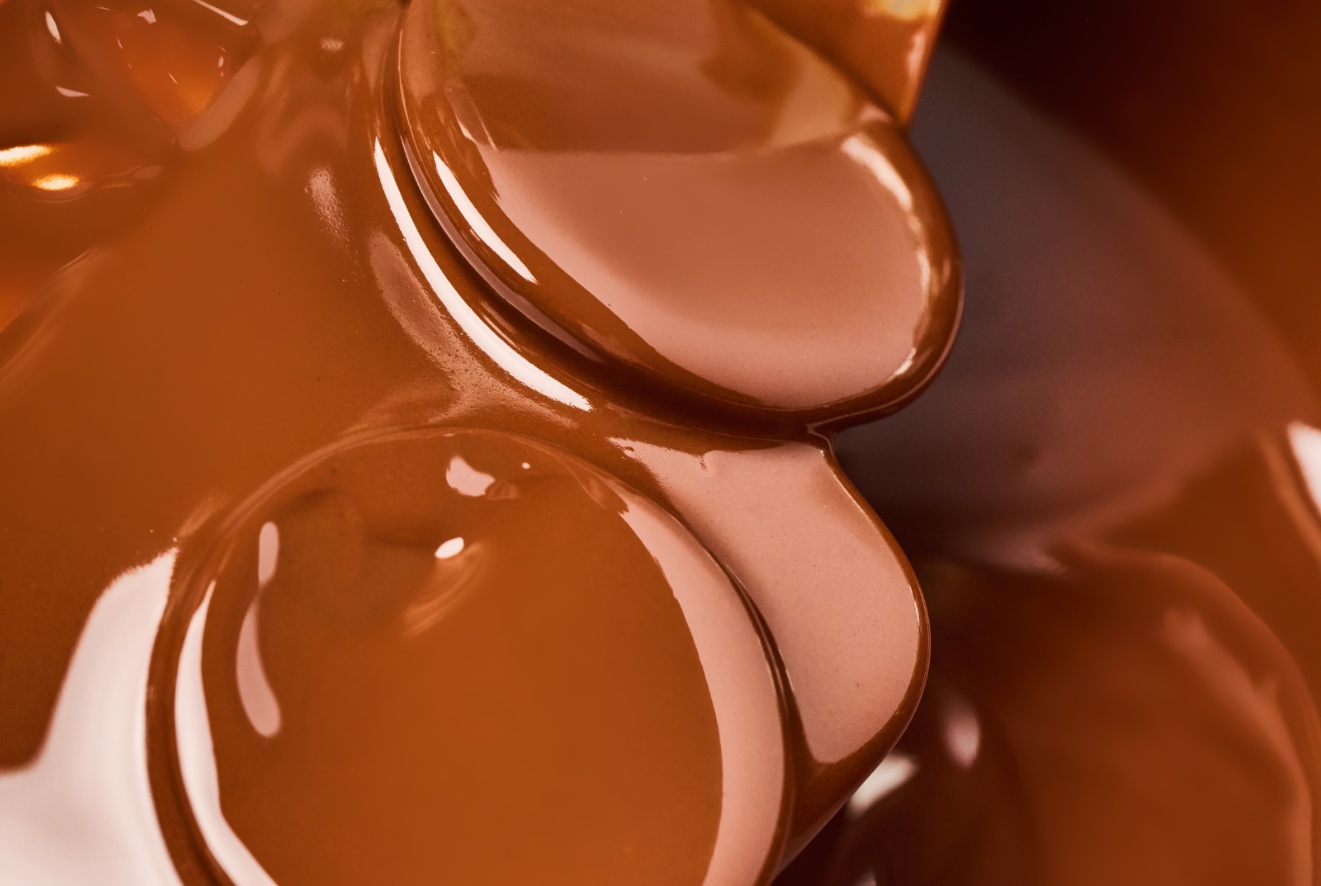
- Fat Migration Control: In filled chocolates, Glycerol Distearate forms a barrier. It stops liquid oils from nut centers from moving into the outer chocolate layer.
- Fat Bloom Inhibition: The additive slows the shift to larger crystals. This reduces the white, chalky appearance that can form on compound chocolate.
- Mouthfeel Optimization: It supports a nice snap at room temperature and a smooth melt when eaten. The ingredient does not add unwanted flavors to cocoa recipes.
Elevating Production Efficiency with Tailored Additive Solutions
At Raize, supplying a good chemical product is only part of the job. Real support includes flexible service and dependable supply arrangements that fit customer operations.
Bespoke Technical Collaboration and Flexible Supply Chains
The team works with production staff to solve formulation issues and control costs.
- Customized Formulations: Technical experts partner with client R&D groups. They develop additive options matched to specific fat blends and equipment.
- No Minimum Order Quantity (No-MOQ): The flexible policy lets manufacturers test small batches or expand new lines without large upfront commitments.
- Consolidated Mixed Shipments: Customers can combine different emulsifiers and additives in one shipment. This step reduces delivery expenses and simplifies ordering.
Conclusion
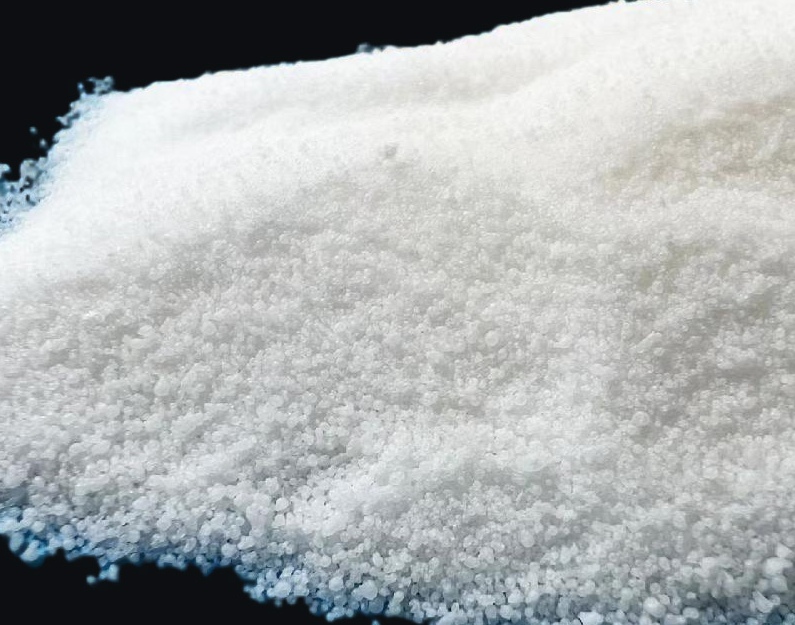
Dealing with oil separation in spreads and chocolate needs a thoughtful approach to fat behavior. Raize supplies high-purity Glycerol Distearate along with practical knowledge and adaptable service. Many processors have lowered waste, improved shelf life, and smoothed production after adding it to their recipes. The ingredient fits into standard workflows and delivers steady results from one batch to the next.
Ready to Optimize Your Formulation?
Take control of your product stability today. Contact Raize at elma@raizechem.com to request a free product sample (up to 500g) or to consult directly with our technical experts.
FAQ
Q: Why does oil separation happen more rapidly in natural nut spreads compared to highly processed ones?
A: Natural spreads usually skip hydrogenated fats or added stabilizers. Without something like Glycerol Distearate to build a solid crystal network, free liquid oils separate from solid nut particles because of density differences and rise to the surface during storage.
Q: How does Glycerol Distearate differ from standard Glycerol Monostearate (GMS) in fat-based systems?
A: GMS performs well for starch work and general emulsification in baked items. Glycerol Distearate has two fatty acid chains. This gives it a lower HLB value and makes it better suited for fat-continuous systems where it adjusts crystals and holds liquid oil more effectively.
Q: Can temperature fluctuations during transport trigger fat separation even if an emulsifier is used?
A: Yes. Strong temperature swings can melt parts of the existing crystal network. A good crystal modifier helps the fat form fine, stable structures again when it cools. This limits large-scale oil movement afterward.
Q: Is Glycerol Distearate compatible with clean-label or plant-based food formulations?
A: Yes. It comes from natural fatty acids and glycerine. This makes it suitable for plant-based spreads and vegan chocolate where synthetic or animal-based stabilizers are not wanted.

Post Comment