




In the tough world of food manufacturing, getting the right texture, longer shelf life, and stable emulsions can be a real headache. Whether you’re making soft brioche that stays fresh for days or ice cream that holds up against temperature swings, the key often comes down to handling forces at the molecular level between different phases.
As a major global supplier of additives, Raize focuses on strong ingredients that connect detailed food chemistry with reliable large-scale production. In this complete guide, we take a close look at Distilled Monoglyceride (DMG) E471—the reliable choice for food emulsification—and show how our specialized methods can improve your production setup.
Understanding DMG E471: What Makes It Essential?
Distilled Monoglyceride, listed as E471 around the world, functions as a non-ionic surfactant. It comes from natural vegetable oils and includes parts that attract water as well as parts that attract fat.
The Science of Molecular Distillation
Food developers turn to molecular distillation. This process separates the useful monoglycerides from diglycerides and triglycerides. The result is a stronger, more focused ingredient ready for daily factory use.
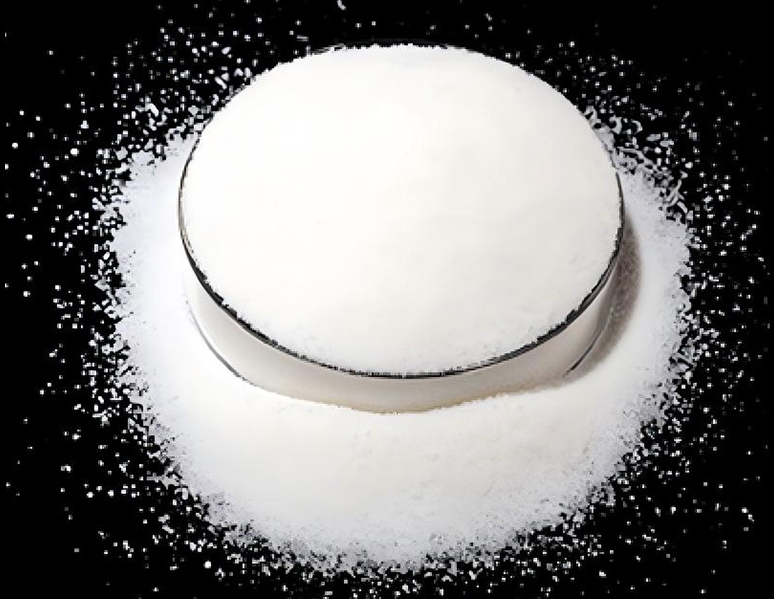
- Concentration Boost: Regular mono-diglycerides contain only 40–50% monoglycerides. Molecular distillation brings the purity up to at least 90%.
- Enhanced Interfacial Activity: Greater alpha-monoester levels allow the emulsifier to lower tension between oil and water phases more effectively in actual mixes.
- Reduced Dosage Requirements: The active portion is roughly double that of basic blends. Factories can therefore cut total ingredient amounts by up to 40% and still reach the needed structure in final products.
Key Quality Metrics for Food Manufacturers
When you review a DMG supplier, examine certain chemical details. These numbers influence performance during high-speed mixing and heating steps typical in plants.
- Iodine Value (IV): It indicates saturation level. Low IV saturated types pair well with starch in baked items. Higher IV unsaturated forms support air holding in whipped goods.
- Free Glycerol Content: This needs to stay below 1%. Higher levels can cause smoking in ovens, odd tastes, or extra moisture movement in baking and frying operations.
- Melting Point Consistency: A narrow range near 60°C–65°C allows the material to act in a predictable way as it passes through automatic melting and blending equipment.
Key Application Scenarios: Solving Production Challenges
DMG E471 behaves differently in each food system. Its function shifts according to the ingredients around it.
Revolutionizing Bakery and Bread Production
Large bakeries must keep bread soft during shipping. Customers notice when loaves turn stale too quickly.
- Starch Retrogradation Delay: DMG links up with straight amylose chains in wheat starch. It prevents hard crystals from forming after baking.
- Gluten Network Reinforcement: The ingredient interacts with gluten proteins. This makes dough more stretchy, improves gas retention, and helps it withstand fast proofing machines.
- Measurable Benefits: Loaves gain roughly 20 percent more volume. The crumb becomes smoother and more uniform. Shelf life extends by three to five days.
Perfecting Texture in Ice Cream and Frozen Desserts
Frozen dairy production depends on fat clumps and ice crystal size. These factors decide whether the product feels rich or turns icy.
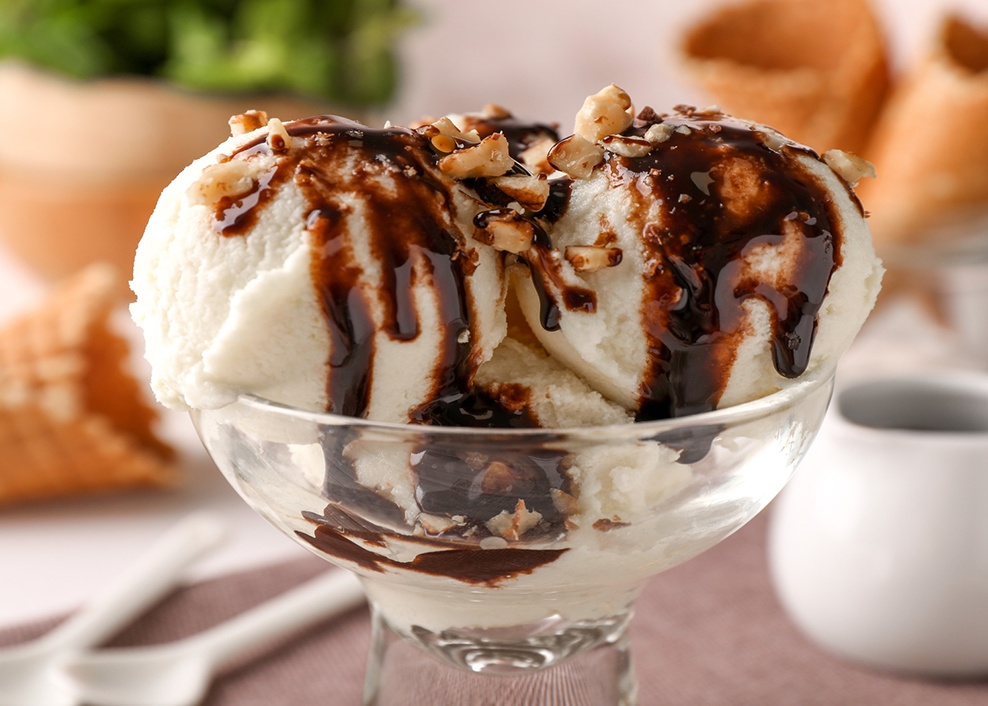
- Controlled Fat Destabilization: DMG pushes milk proteins off fat globules. This allows partial clumping during churning and creates a stable network.
- Air Incorporation (Overrun): It keeps air bubbles steady in the mix. The dessert therefore melts evenly and resists melting too fast during delivery.
- Measurable Benefits: Grainy texture decreases. Quick melting in warm conditions is reduced. Low-fat mixes also extrude more cleanly.
Optimizing Fats, Margarines, and Spreads
In systems where oil is the main phase, stopping water from leaking out and controlling fat crystal types keeps the product spreadable.
- Water-in-Oil Emulsification: DMG spreads tiny water drops evenly inside the fat, so the mix stays stable over time without splitting.
- Crystal Habit Modification: It encourages small, steady β’ crystals that give margarine a nice, smooth feel and glossy look.
- Measurable Benefits: No oily leaks at room temperature, less gritty feel, and reliable results when used in puff pastry shortenings.
The Raize Advantage: Advanced Technology and Customized Services
At Raize, we go beyond just sending ingredients. We provide food emulsifier solutions matched to your specific factory needs.
Precision Manufacturing Technology
Our modern distillation plants make sure each batch of DMG hits high standards for purity and stability.
- Ultra-High Purity Extraction: Multi-stage molecular distillation gives alpha-monoester levels over 95%. This improves how much you get from your materials.
- Thermal Stability Control: Vacuum methods reduce oxidation, so our DMG stays white and without smell. It will not change the color of your final products.
- Strict Quality Assurance: Full certification under FSSC 22000, Halal, and Kosher meets your compliance requirements.
Tailored Physical Forms and Custom Blending
Different lines need different ways to handle the powder to reduce dust and help it mix in.
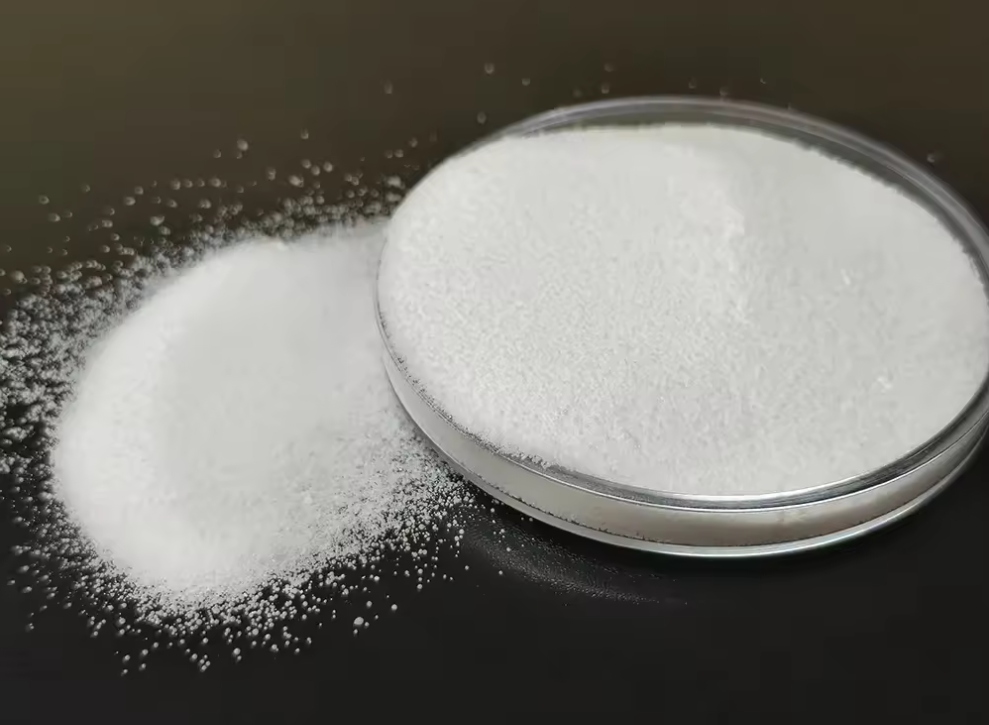
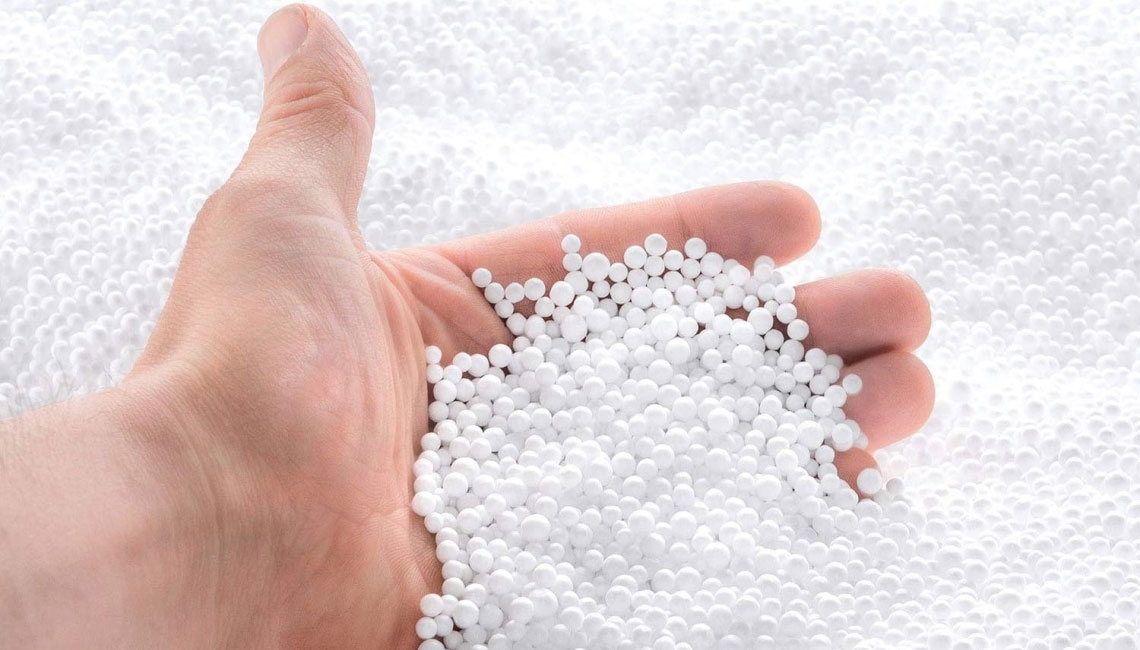
- Spherical Micro-Beads: Designed for automatic air transport systems. They flow well and do not cake or block silos.
- Fine Atomized Powders: Good for dry blends where quick, even mixing into flour or other powders is needed.
- Synergistic Functional Blends: We can combine our DMG with items like PGE or SSL to make one ready-to-use mix for your recipe.
Comprehensive Technical Support and Supply Reliability
Working with Raize gives you access to application experts and a dependable supply network.
- Pilot-Scale Application Labs: Send over your tricky dough or ice cream base. Our team runs tests that match your process and fine-tunes the DMG amount.
- Troubleshooting Particle Dissolution: For issues like lumps or poor mixing in fats, we suggest exact heating steps based on experience.
- Secure Global Supply Chain: Multiple sources for raw materials and warehouse locations help keep deliveries steady even when markets shift.
Achieve Formulation Perfection with Raize
Picking the right emulsifier separates good products from top sellers. Distilled Monoglyceride E471 from Raize brings high purity, heat stability, and specific performance to fix your biggest issues with texture, freshness, and processing.
Do not let recipe problems hurt your brand. Reach out to Raize now for product details, a trial sample, or a talk with our food specialists. We can work together to make your line run better.
FAQ
Q: What is the primary difference between a standard mono-diglyceride and a Distilled Monoglyceride (DMG)?
A: Standard mono-diglycerides have only 40–50% active monoglycerides mixed with diglycerides and triglycerides. DMG goes through molecular distillation to reach over 90% active alpha-monoglyceride. This makes it much more effective and lets factories use lower amounts.
Q: How does DMG E471 prevent staling in baked goods over long distribution cycles?
A: DMG binds with the amylose in starch while baking. This reduces water loss and keeps starch from forming hard crystals later. The result is bread that holds moisture and stays soft for several extra days.
Q: Can DMG E471 be utilized in completely vegan and plant-based food formulations?
A: Yes. Although E471 can come from animal fats in theory, all industrial DMG from Raize uses vegetable oils like palm, rapeseed, or sunflower. It fits vegan, Halal, and Kosher needs.
Q: Why does my DMG powder sometimes fail to disperse properly in cold water systems?
A: DMG is mainly fat-loving with a low HLB value around 3.5 to 4, so it does not dissolve in cold water. You need to melt it into the fat phase above 65°C or mix it first with hot water to get the emulsifying action started.

Post Comment