




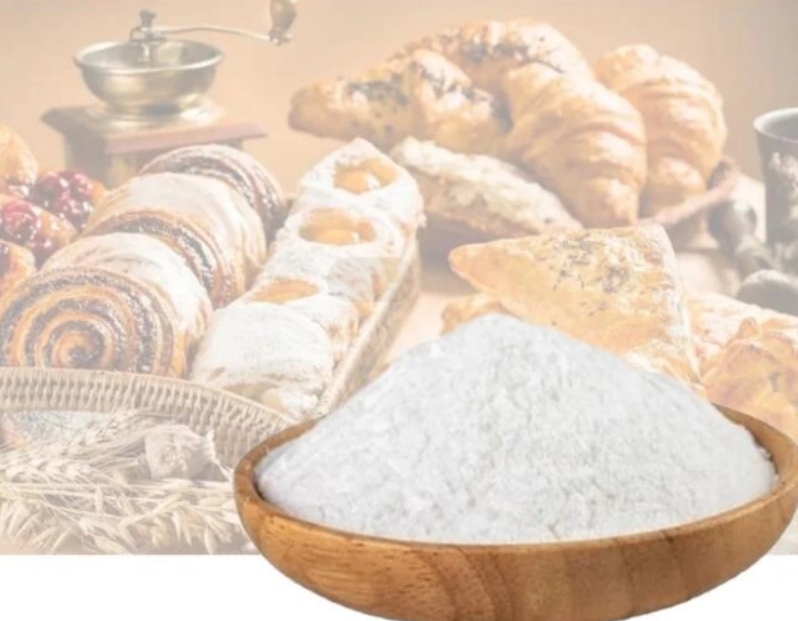
In the quick-moving food production business, finding the right mix of simple labels, low costs, and long-lasting products presents an ongoing task. Out of many surface-active agents on offer, Sodium Stearoyl Lactylate (SSL), known as E481, stands out as the key “Gold Standard.”
At Raize, we draw on more than 15 years of knowledge in chemical helpers to create SSL options that match top global names in results. At the same time, we keep prices low enough for current worldwide sales. Our goal is to improve daily life by supplying solid additives. These keep food fresh and appealing when it arrives at buyers.
The Science of Texture: Why SSL Dominates the Emulsifier Market
SSL’s special makeup lets it handle roles that basic mono-and diglycerides fail to cover. This holds true especially for its charged links with proteins.
Molecular Interaction with Flour Proteins
Bakers prefer SSL mainly because it builds up dough strength like nothing else. As an ionic emulsifier, SSL has a water-loving end with a negative charge. That end binds tightly to glutenin proteins in wheat flour.
- Gluten Strengthening: It builds a more stretchy and firm gluten web. This feature proves essential for holding carbon dioxide while yeast works.
- Gas Retention: This action boosts loaf size and creates an even, tight crumb pattern.
- Processing Resilience: In large bakeries, the dough holds up against the strain from fast mixers and auto belts. It avoids breakdown during handling.
Improving Starch Retrogradation for Shelf-Life Extension
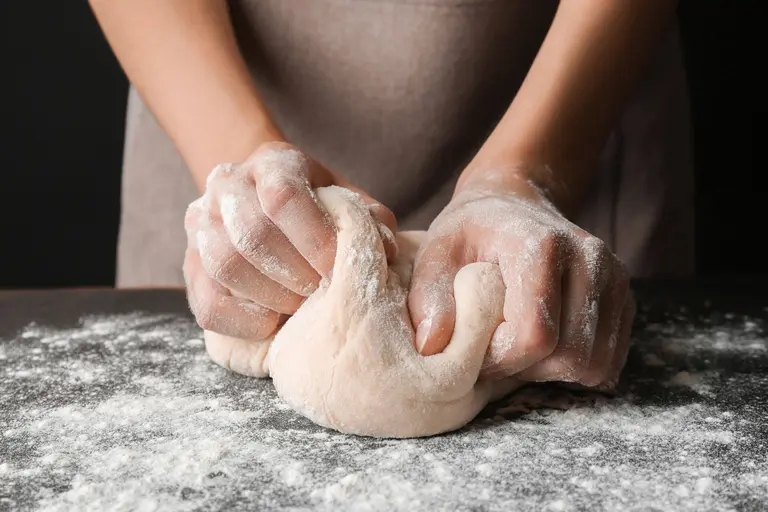
SSL goes further than just boosting size. It serves as a strong fighter against staling. Staling mainly comes from amylose in starch turning firm again.
- Amylose Complexation: SSL links up with amylose parts. In this way, it stops them from forming crystals.
- Moisture Retention: By holding back this change, bread remains tender for much longer.
- Raize Advantage: We design our SSL so that even small amounts lock in moisture well. This cuts the call for costly water-keepers.
Multi-Stage Stability: How SSL Enhances Texture and Consistency Globally
SSL’s range of uses reaches past bread shelves. It fixes hold and feel problems in mixed systems with several stages.
Bakery & Confectionery: Achieving the Perfect Crumb
In sweet or fatty baked items such as cakes and donuts, SSL works as a fat softener.
- Fat Dispersion: It spreads fats and oils evenly in the mix. As a result, it avoids lumps of fat and gives a smooth bite.
- Reduced Egg Usage: In certain recipes, SSL’s strong mixing power lets makers cut back on eggs a bit. They keep the shape intact, which trims material expenses.
Dairy & Non-Dairy Creamers: Stability Under Thermal Stress
Coffee whitener and liquid creamer producers rely on SSL. It stops “feathering”—the ugly clumping when cold creamer meets hot, sour coffee.
- Interfacial Tension: SSL lowers the pull between oil drops and water. This builds a steady mix that endures UHT (Ultra-High Temperature) treatment.
- Freeze-Thaw Stability: It keeps the mix solid through temperature shifts in shipping. Such issues often hit clients in the Middle East and Africa.

Processed Foods & Emulsified Sauces
Items like quick mashed potatoes and mixed gravies depend on SSL for thickness control.
- Texture Uniformity: It blocks water and oil from splitting in sauces kept at room temperature for extended periods.
- Improved Rehydration: In dry goods, SSL speeds up and smooths water addition. Thus, users get a “fresh” feel in the end product.
Why Raize SSL is the Preferred Choice for Global Manufacturers
Founded in 2016 in Hangzhou, China, Raize acts as more than a seller. We run as a focused research and sales combined firm. We supply pure food emulsifiers that fit tough health and environmental rules.
High-Purity Formulations for Consistent Batch Quality
A major headache in buying chemicals is unevenness across batches.
- Rigorous Testing: Each run of Raize helpers faces strict checks for cleanness and strength.
- Standard Compliance: Our goods, including SSL (E481) and others like Sodium Stearate and GMS, follow global food safety levels.
- Technical Support: We supply full papers, such as COA, TDS, and MSDS. These help your line meet all rules.
Flexible Logistics: No MOQ and Mixed Shipment Solutions
We know new ideas often begin on a small scale. For that reason, we shaped a buyer-focused shipping approach.
- No Minimum Order Quantity (MOQ): Your growth should not face limits from size demands. We give room to grab chances without big stock loads.
- Mixed Shipments: Combine different items—like SSL, Glycerol Monostearate (GMS), and Antioxidants—into one smooth send-off.
- Global Reach: With sales to over 50 nations, our group delivers in 15–20 days after you confirm the order.
Conclusion: Future-Proofing Your Food Formulations
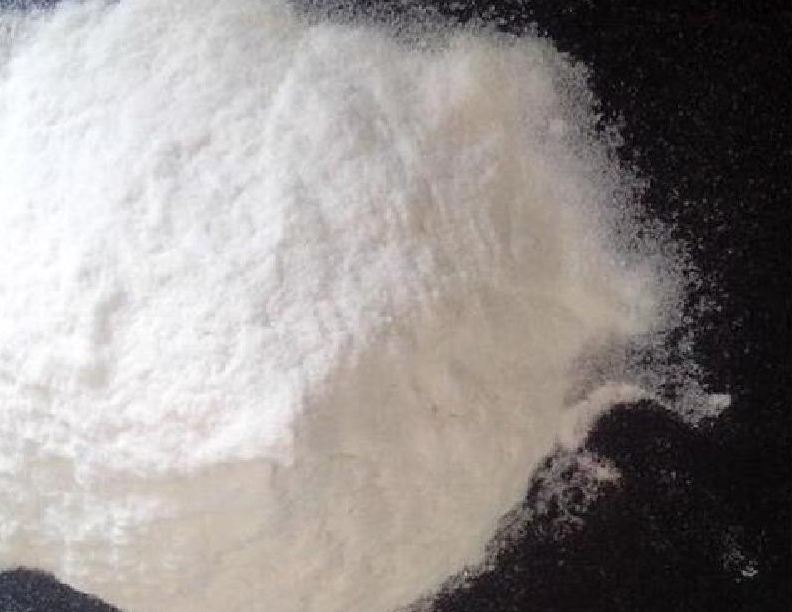
As buyers seek both good quality and fair prices, Sodium Stearoyl Lactylate remains the top pick for food experts. Picking Raize opens the door to strong additives. These let you stand against big global names while keeping steady profits.
We can work together to open new paths. Need a 500g free sample for trials or a custom fix for your needs? Our team waits to help.
Ready to elevate your product quality?
- E-mail: elma@raizechem.com
- WhatsApp: 0086-13567125417
FAQ
Q: Can SSL be used in vegan or plant-based food formulations?
A: Yes. The “stearoyl” comes from stearic acid. Yet most factory SSL, like Raize’s, draws from plant fats (such as palm oil). This fits vegan and vegetarian choices.
Q: How does SSL compare to Distilled Monoglycerides (DMG) in bread making?
A: Both serve as emulsifiers. SSL builds dough power by linking with protein to raise size. DMG mainly softens the crumb. For the best outcomes, many factory bakers mix the two together.
Q: Does SSL affect the taste or odor of the final food product?
A: No. Pure SSL has almost no smell or flavor. Used in tiny amounts (usually 0.2% to 0.5% of flour weight), it improves the feel without changing your recipe’s taste.
Q: Is SSL stable under high-temperature processing like extrusion or UHT?
A: Yes, SSL holds up well to heat. It keeps its mixing traits in hot steps. That’s why it appears often in heated sauces, canned creamers, and puffed snacks.


Post Comment