




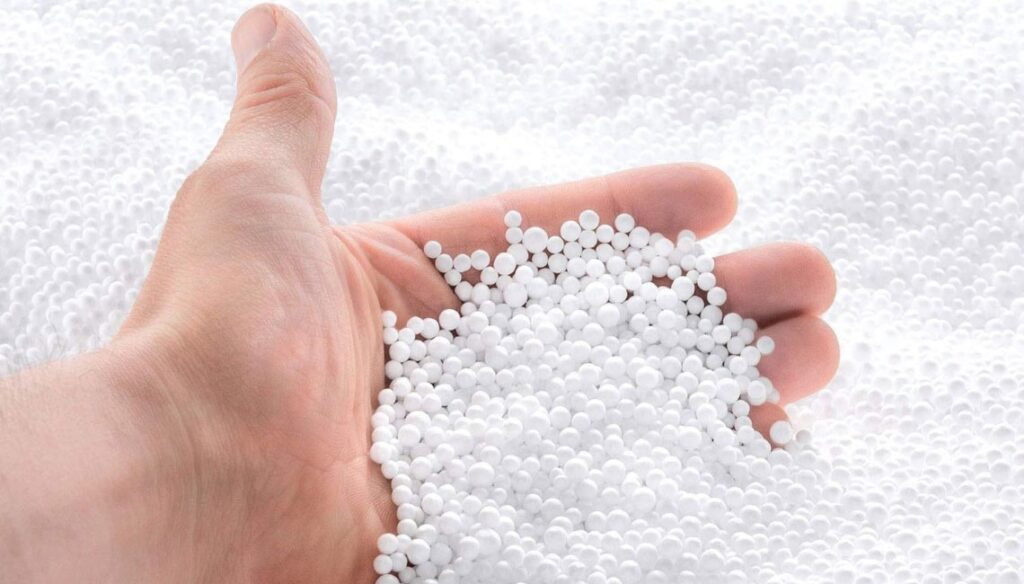
Pneumatic conveying lines grinding to a sudden halt, sticky expandable polystyrene resin bridging inside storage hoppers, and uneven pre-expansion bulk density are common problems in modern EPS processing plants. When raw beads lose their free-flowing behavior, plant throughput declines while downtime and material scrap increase. Resolving EPS bead clumping during conveying requires identifying the root causes of friction, tackiness, and EPS electrostatic accumulation, then applying a suitable surface treatment.
A high-performance EPS coating agent can help reduce friction, control static buildup, and improve EPS bead flowability throughout storage, conveying, pre-expansion, and molding. Raize provides specialized coating formulations designed for EPS processing applications.
Understanding EPS Bead Clumping and Conveying Bottlenecks
Identifying why expandable beads agglomerate inside transfer lines is the first step toward correcting EPS conveying problems. Frictional forces, blowing-agent migration, temperature, and storage conditions can interact to cause EPS bead caking and unstable material movement.
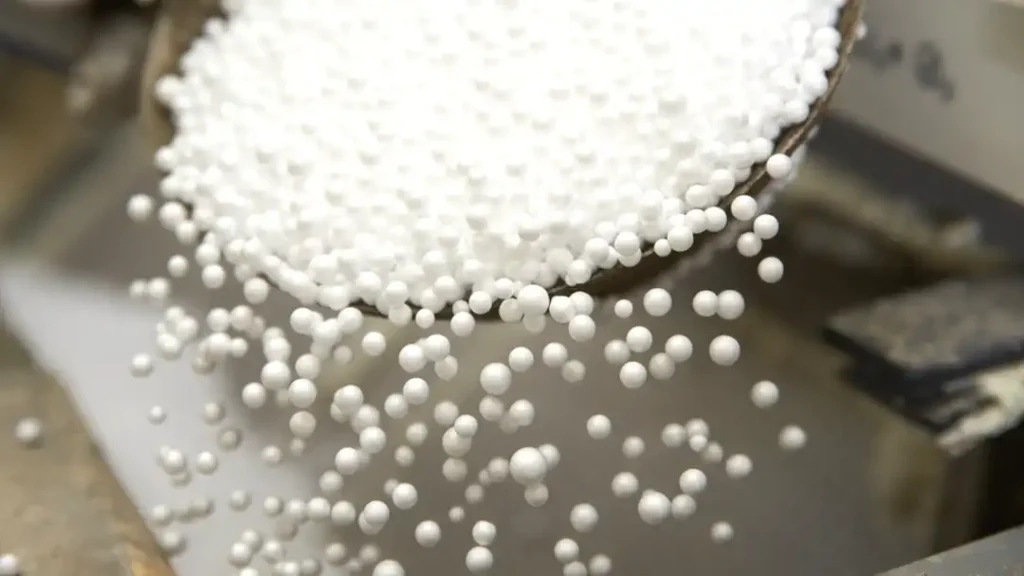
The Underlying Mechanics of EPS Bead Caking and Friction
Surface tackiness and static generation work together to reduce EPS bead flowability inside processing plants.
- EPS Electrostatic Accumulation: High-speed contact between polymer beads and metal conveying pipes generates EPS electrostatic accumulation, increasing the tendency of beads to attract one another or stick to equipment surfaces.
- Blowing Agent Migration: Residual pentane can migrate toward the bead surface during storage, contributing to surface tackiness and EPS bead caking under unsuitable handling conditions.
- Frictional Heat Sensitivity: Excessive friction and warm conveying conditions may soften bead surfaces, increasing the risk of EPS beads clumping during conveying.
How Static Charge and Moisture Trigger EPS Pneumatic Conveying Failures
When static charge during EPS conveying becomes excessive, raw resin handling can become unstable and create downstream production issues.
- Pipeline Wall Sticking: High static charge during EPS conveying can attract EPS beads toward pipe walls, reducing effective conveying capacity and contributing to EPS conveying problems.
- Silo and Hopper Bridging: Agglomerated beads can bridge inside storage vessels, interfering with consistent gravity feeding into pre-expansion equipment.
- EPS Pre-Expansion Troubleshooting Issues: Clusters entering steam pre-expanders may contribute to EPS pre-foaming caking, uneven bulk density, and other EPS pre-expansion troubleshooting problems.
How High-Performance EPS Coating Agent Solutions Eliminate Flowability Issues
Applying a multifunctional EPS coating agent creates a thin surface layer around individual beads. A properly selected EPS anti-caking agent can improve lubrication, reduce static buildup, and support smoother material movement during EPS pneumatic conveying.
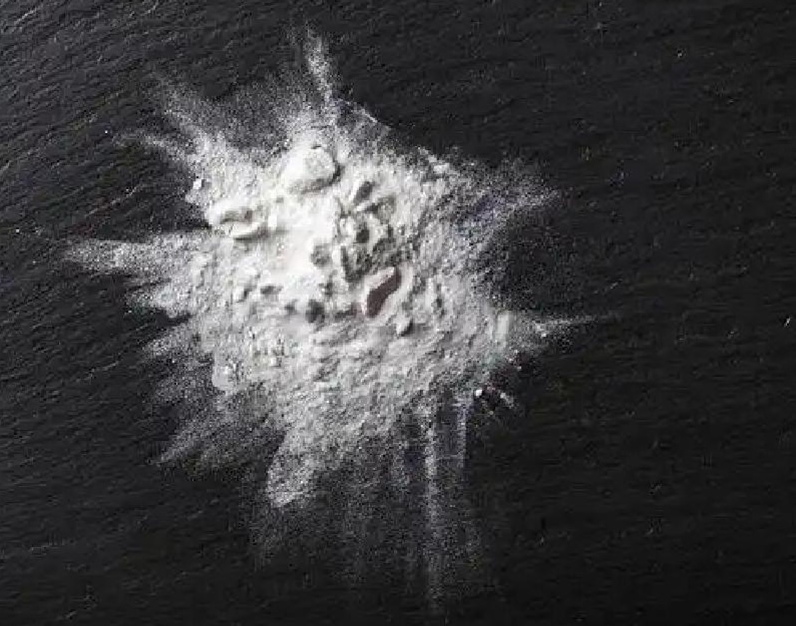
The Synergistic Chemistry of Modern Anti-Caking Coatings
Modern EPS coating systems often blend several ingredients. Each one handles a specific task on the resin surface.
- Glycerol Monostearate (GMS): GMS often serves as an EPS antistatic coating agent. It reduces surface static and makes handling smoother.
- Glycerol Tristearate (GTS): GTS adds lubrication and improves anti-caking performance. This limits surface sticking during storage and transfer.
- Zinc Stearate (ZnSt2): Zinc stearate acts as an external processing aid and lubricant. It supports mold release and bead handling in many formulations.
The right ratio depends on resin grade, bead size, conveying conditions, and pre-expansion needs.
Crucial Physical Parameters: Coating Uniformity and Particle Size
The physical properties of an EPS coating agent directly affect how consistently it disperses across the bead surface.
- EPS Coating Agent Particle Size: Fine EPS coating agent particle size supports more even distribution over individual beads and can reduce localized over-application.
- EPS Coating Uniformity: Good EPS coating uniformity minimizes uncoated areas where static buildup or tackiness could initiate EPS bead caking.
- Optimized Melting Profile: The coating should remain sufficiently stable during storage, blending, and EPS pneumatic conveying so that premature softening does not create additional adhesion problems.
For process stability, both EPS coating agent particle size and EPS coating uniformity should be evaluated together rather than independently.
Practical Applications: Optimizing EPS Processing from Storage to Mold
Integrating an appropriate EPS anti-caking agent can improve material handling throughout storage, conveying, pre-foaming, and final molding.
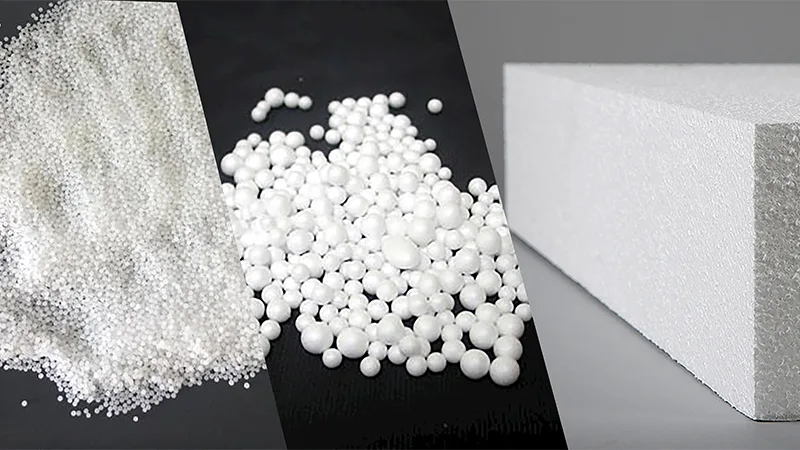
Smooth Pneumatic Transportation and Pre-Foaming Performance
Surface treatment lowers mechanical resistance while boosting EPS bead flowability in transfer systems.
- Continuous Pneumatic Transfer: Improved EPS bead flowability supports steadier EPS pneumatic conveying. It also cuts pipeline blockage and keeps feed rates stable.
- Lump-Free Steam Pre-Expansion: Better bead separation reduces EPS pre-foaming caking. At the same time, it allows even feeding into steam pre-expanders.
- Controlled Surface Behavior: A suitable EPS antistatic coating agent limits bead-to-bead attraction and surface friction during storage and conveying.
Plants that face recurring EPS conveying problems often check coating dosage, speed, humidity, bead temperature, and static levels as part of EPS pre-expansion troubleshooting.
Enhanced Molding Efficiency and Shorter Cycle Times
Stable bead movement can improve mold filling and reduce inconsistencies in final EPS products.
- Rapid Cavity Filling: Free-flowing beads can fill complex cavities more evenly, helping reduce voids and incomplete areas.
- Improved Process Consistency: Stable bead handling supports more repeatable transfer from pre-expansion to molding.
- Clean Demolding: Lubricating components within the EPS coating agent system can support smoother release from molds depending on product and process conditions.
Why Partner with Raize for Advanced EPS Coating Technologies
Selecting a reliable additive supplier is important for maintaining stable resin handling and consistent production quality. Raize provides EPS processing additives for manufacturers requiring customized antistatic, anti-caking, and flowability solutions.
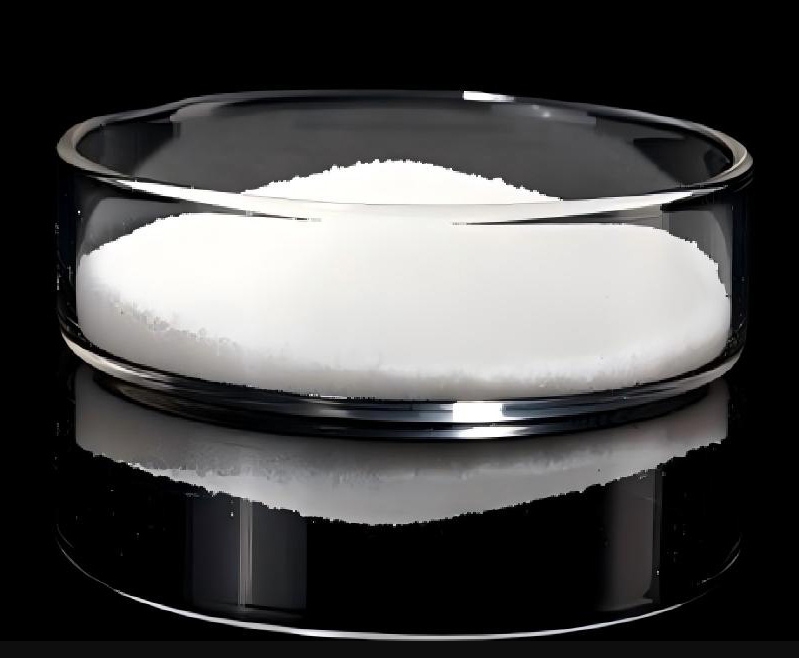
Tailored Additive Solutions from an Industry-Leading Chinese Manufacturer
As an EPS coating agent manufacturer China, Raize develops coating formulations for different EPS resin grades and processing environments.
- Application-Oriented Formulation: Coating systems can be adjusted according to customer requirements for antistatic performance, lubrication, and EPS bead flowability.
- Processing Support: Formulation selection can consider specific EPS conveying problems, pre-expansion behavior, and storage conditions.
- Customized Resin Coating Options: As an experienced EPS coating agent manufacturer China, Raize can adjust GMS, GTS, zinc stearate, and related formulation components according to resin and processing requirements.
Reach Out for Customized EPS Coating Solutions
Struggling with EPS beads clumping during conveying, poor hopper discharge, or EPS pre-foaming caking? Contact Raize to discuss your EPS coating agent, EPS anti-caking agent, or EPS antistatic coating agent requirements and request product information or samples for evaluation.
FAQ
Q: What primarily causes EPS beads to clump inside pneumatic conveying pipelines?
A: Common causes include EPS electrostatic accumulation, static charge during EPS conveying, blowing-agent migration, excessive friction, warm handling conditions, and insufficient surface treatment.
Q: How does an EPS coating agent improve bead flowability and prevent caking?
A: An EPS coating agent can create a lubricating and antistatic surface layer that reduces bead-to-bead adhesion, supports EPS bead flowability, and lowers the risk of EPS bead caking.
Q: Why is EPS coating agent particle size important?
A: Appropriate EPS coating agent particle size supports more consistent powder distribution across bead surfaces. Combined with good EPS coating uniformity, this helps minimize untreated areas and uneven surface behavior.
Q: Can an EPS antistatic coating agent help solve EPS conveying problems?
A: Yes. An EPS antistatic coating agent can help reduce static-related adhesion during EPS pneumatic conveying, although conveying speed, humidity, equipment condition, and coating dosage should also be reviewed.
Q: What should buyers consider when choosing an EPS coating agent manufacturer China?
A: Evaluate formulation flexibility, product consistency, particle-size control, technical documentation, application experience, and the supplier’s ability to customize an EPS coating agent for specific resin grades and processing conditions.


Post Comment