




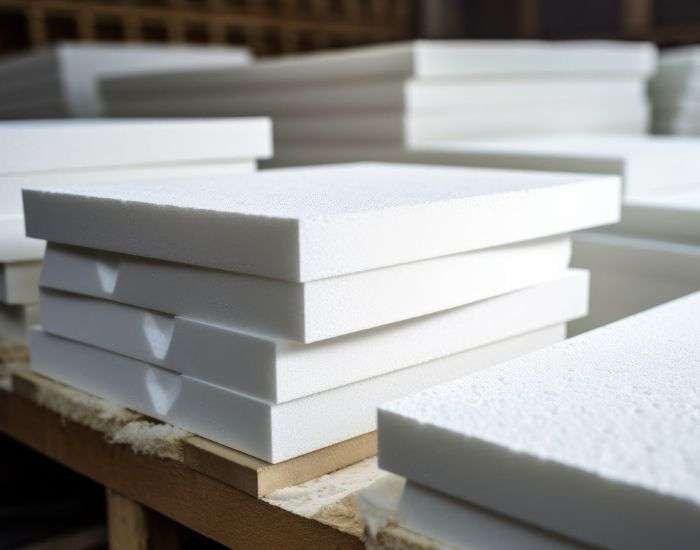
The global polymer industry is experiencing an unprecedented shift toward strict environmental compliance. Following worldwide restrictions and phase-out measures targeting Hexabromocyclododecane (HBCD), manufacturers of expanded polystyrene (EPS) and extruded polystyrene (XPS) face continuous pressure to replace persistent organic pollutants without compromising product performance. Identifying a high-performing HBCD replacement or HBCD alternative is no longer just a regulatory obligation; it is a critical step in preserving product integrity, protecting brand reputation, and maintaining international market access. As a trusted EPS flame retardant supplier and chemical additives manufacturer with over 15 years of industry experience, Raize provides high-quality, eco-compliant solutions tailored for modern foam manufacturing.
Phase-Out of HBCD and Industry Challenges
Global regulatory bodies have accelerated restrictions on persistent organic pollutants, forcing foam board processors to rethink legacy flame retardant formulations and identify a reliable HBCD replacement for EPS.
Environmental Mandates and Global Market Impact
The phase-out of HBCD has reshaped international trade requirements for construction insulation and protective packaging materials.
- Regulatory Compliance: Environmental standards require manufacturers to transition away from HBCD toward compliant alternatives, increasing demand for a reliable HBCD alternative and HBCD-free EPS formulations.
- Market Entry Barriers: Many markets restrict products containing controlled brominated compounds, making an effective HBCD replacement important for maintaining compliant international supply chains.
- Supply Chain Vulnerability: Sourcing a stable, fully documented EPS flame retardant from a dependable EPS flame retardant supplier remains a primary concern for procurement teams worldwide.
Processing and Performance Pain Points
Transitioning away from conventional flame retardants often presents thermal decomposition issues and mechanical degradation in finished foam products.
- Thermal Decomposition Risk: Traditional additives may break down under elevated processing temperatures, damaging extrusion machinery and causing discoloration.
- Mechanical Integrity Loss: Incompatible additive loading can degrade cell structure, reducing compressive strength and thermal resistance.
- High Processing Costs: Inefficient alternatives may require higher additive loading, while an effective low-dosage flame retardant can help control formulation costs.
Why EPS FR130 Is the Ideal Flame Retardant Solution
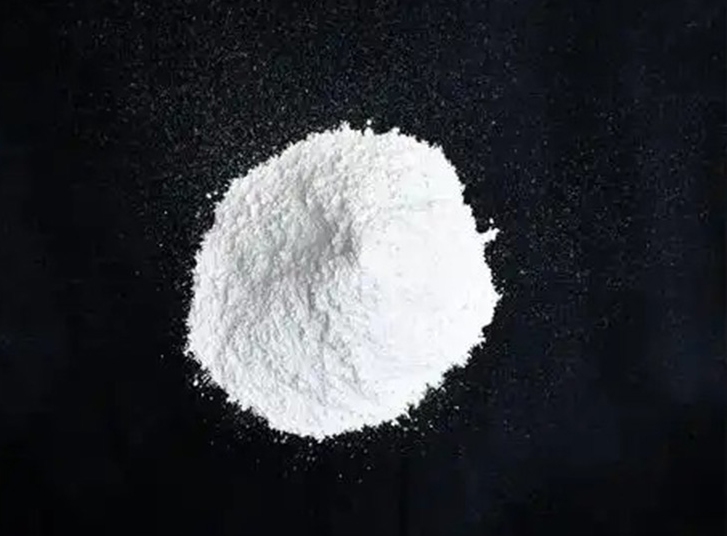
To bridge the gap between safety compliance and structural efficiency, EPS FR130 (CAS 97416-84-7) provides a practical HBCD replacement for foam applications. Designed as a high-efficiency EPS flame retardant, the FR130 flame retardant can be considered for both expanded and extruded polystyrene systems.
High Flame Retardancy and Thermal Stability
Engineered specifically as an additive brominated flame retardant, EPS FR130 delivers strong thermal performance during polymer processing.
- High Thermal Resistance: The FR130 flame retardant demonstrates high thermal stability with a 5% TGA decomposition temperature of 268°C, supporting processing conditions used in foam production.
- Superior Fire Retardancy: With a bromine content of approximately 65.8%, FR130 for EPS provides efficient flame-retardant performance and supports self-extinguishing formulations.
- Light Stability: EPS FR130 maintains material stability and helps reduce yellowing concerns during storage and service conditions.
Low Dosage Efficiency and Material Compatibility
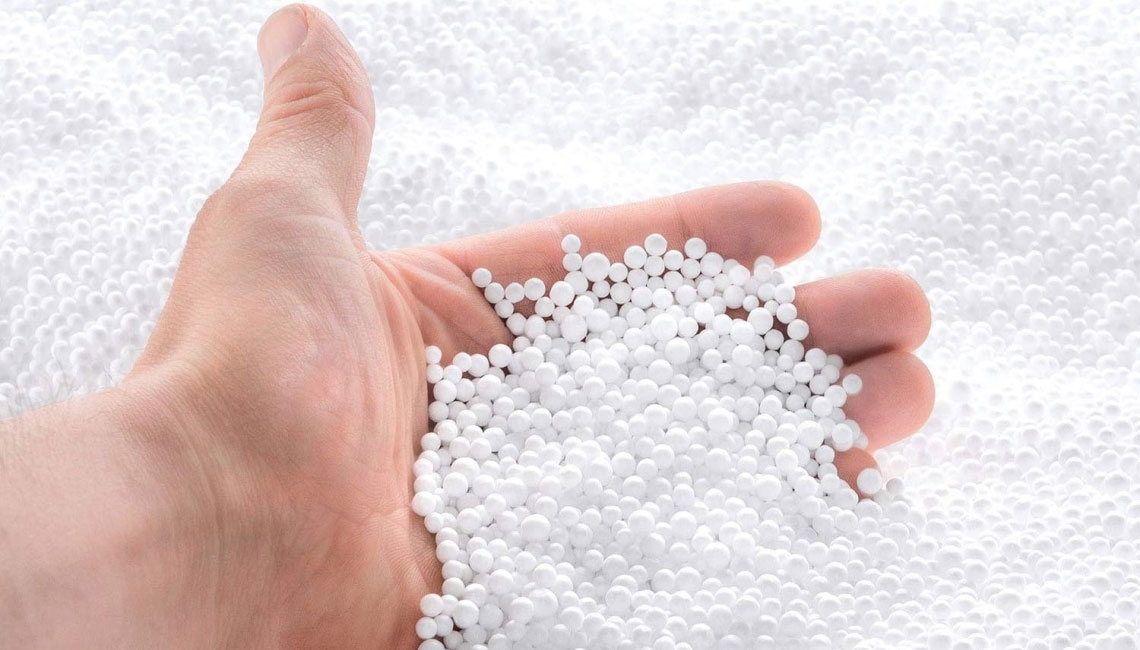
FR130 for EPS allows processors to pursue target fire performance while preserving key physical properties of expanded polymer beads.
- Low Addition Rate: As a low dosage flame retardant, EPS FR130 can deliver effective flame-retardant performance without unnecessarily high additive loading.
- Preserved Bead Structure: The FR130 flame retardant is designed to minimize adverse effects on foam expansion ratios, cellular uniformity, and overall mechanical toughness.
- Solubility and Dispersion: This brominated flame retardant dissolves readily in esters and acetone, supporting more homogeneous distribution through the resin matrix.
For processors searching for a practical HBCD replacement for EPS, this combination of thermal stability, low dosage efficiency, and compatibility makes EPS FR130 suitable for further formulation evaluation.
Application Scenarios for EPS and XPS Foam
Understanding specific application conditions allows polymer compounders to optimize formulation parameters and maximize manufacturing yield when selecting a flame retardant for EPS or flame retardant for XPS.
Construction Thermal Insulation Boards
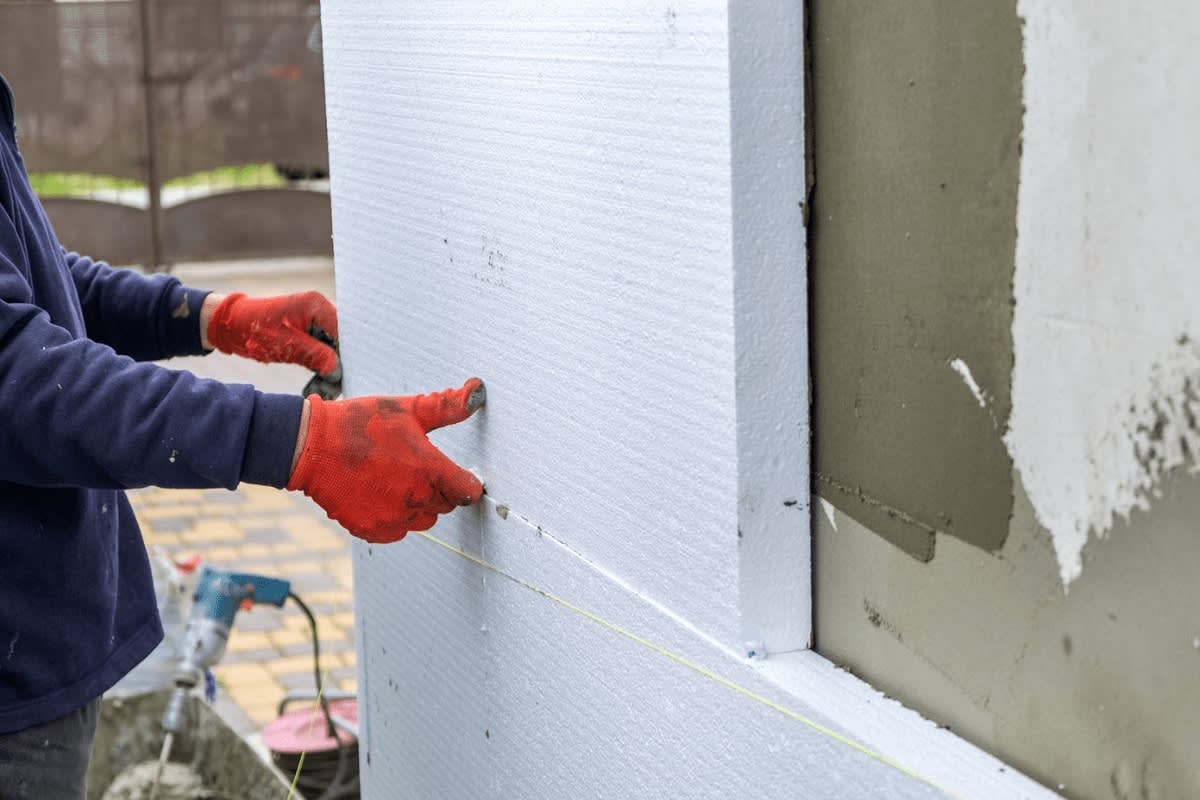
In modern building applications, thermal insulation panels demand stringent fire resistance and long-term durability.
- XPS Extruded Insulation: FR130 for XPS can be incorporated into continuous extrusion systems where good thermal stability and dispersion are required. As a flame retardant for XPS, it supports high-temperature processing while helping maintain formulation consistency.
- EPS Building Blocks: FR130 for EPS serves as an HBCD replacement for EPS insulation products, helping create HBCD-free EPS formulations with distributed flame-retardant performance throughout molded foam structures.
- Code Compliance: Selecting the appropriate EPS flame retardant helps manufacturers develop products toward applicable fire-safety requirements while maintaining thermal insulation performance.
Protective Packaging and Special Compounds
Beyond building insulation, the FR130 flame retardant can also support technical foam and polymer applications requiring improved flame resistance.
- Electronics Packaging: A suitable flame retardant for EPS can be used in fire-retardant EPS packaging designed for electronic and electrical product applications.
- Polyolefin and Elastomers: This brominated flame retardant may also be evaluated in modified polyolefins, thermoplastic elastomers, and selected specialized compounds according to formulation requirements.
- Masterbatch Compounding: EPS FR130 can be incorporated into concentrated flame-retardant masterbatch systems for controlled and efficient dosing during foam production.
How Raize Empowers Global Additive Procurement
Navigating complex regulatory transitions requires a dependable EPS flame retardant supplier capable of delivering stable quality, cost competitiveness, and reliable international distribution.
Consistent Quality and Technical Integration
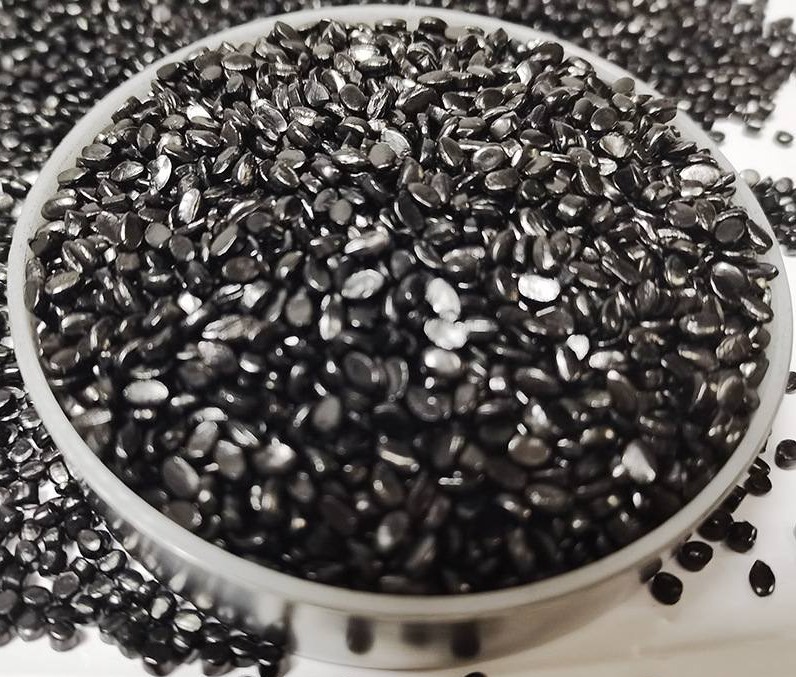
At Raize, we manufacture high-performance plastic additives, including EPS FR130, for customers seeking an effective HBCD alternative and modern flame-retardant formulation options.
- Proven Quality Control: Our EPS Flame Retardant FR130 undergoes batch testing, with a specified melting point range of 108-118°C and controlled volatile content.
- Cost-Effective Alternatives: As an experienced EPS flame retardant supplier, Raize focuses on practical additive solutions that balance flame-retardant performance, processing compatibility, and procurement cost.
- Technical Support: Our technical team provides documentation including COA, TDS, and MSDS, together with dosage guidance to support customer evaluation of FR130 for EPS and FR130 for XPS.
- Global Supply Chain: Exporting to over 50 countries, Raize supports international customers with flexible packaging and supply arrangements for EPS flame retardant products.
Upgrading to an HBCD-free EPS formulation can help manufacturers respond to environmental requirements while maintaining production efficiency. Contact Raize at elma@raizechem.com or visit www.raizechem.com to request product samples, technical datasheets, and quotations for EPS FR130 (CAS 97416-84-7).
FAQ
Q: Why is HBCD being phased out globally in foam manufacturing?
A: HBCD has been identified as a Persistent Organic Pollutant because of its environmental persistence and bioaccumulation concerns, which has driven demand for an effective HBCD replacement and HBCD alternative in foam manufacturing.
Q: How does FR130 compare to HBCD in terms of processing performance?
A: The FR130 flame retardant offers high thermal stability and efficient dispersion while functioning as a low-dosage flame retardant for relevant EPS and XPS formulations. It can therefore be evaluated as an HBCD replacement for EPS where formulation compatibility and fire performance are required.
Q: Can FR130 be used in existing EPS and XPS production equipment?
A: FR130 for EPS and FR130 for XPS can be evaluated in conventional foam-processing systems as additive flame-retardant solutions. Actual dosage and processing parameters should be confirmed through formulation trials under the customer’s specific production conditions.
Q: What are the main advantages of switching to an HBCD-free EPS additive?
A: A suitable HBCD-free EPS additive such as EPS FR130 can provide thermal stability, efficient flame-retardant performance, and compatibility with foam-processing requirements while helping manufacturers move away from legacy HBCD-based formulations.


Post Comment