




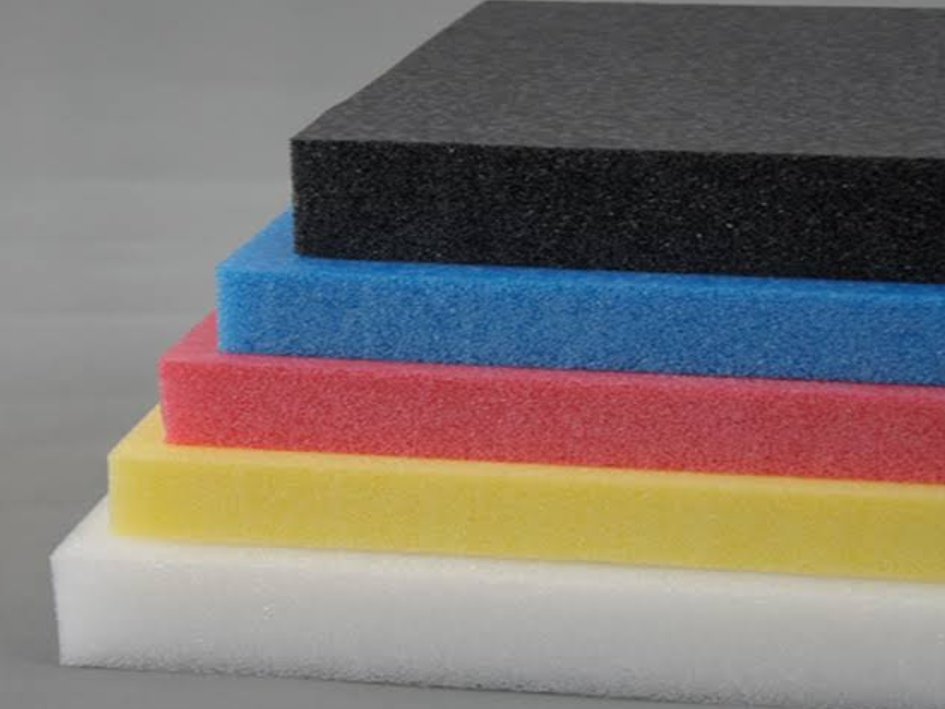
Navigating Static Control and Additive Cost Optimization
Static charge buildup in polyolefin manufacturing creates continuous operational hurdles, ranging from dust accumulation to packaging defects. Transitioning to a high-purity Atmer 129 equivalent allows processors to improve antistatic agent cost optimization while maintaining top-tier product quality.
The Operational Impact of Static Charge in Polyolefin Processing
Electrostatic charges generated during plastic processing disrupt manufacturing efficiency and negatively affect end-product appearance.
- Production Downtime: Uncontrolled static electricity causes film clinging during high-speed extrusion and part sticking during injection molding ejection, increasing demand for a reliable polyolefin antistatic agent.
- Product Contamination: Surface static charges actively attract dust and airborne particulates during transport, packaging, and warehouse storage.
- Profitability Pressures: Relying exclusively on expensive brand-name additives inflates overall compounding costs, making antistatic agent cost optimization increasingly important in competitive plastic markets.
Sourcing High-Value Antistatic Solutions with Raize
Polymer converters can overcome these processing challenges by partnering with an established antistatic agent supplier that delivers cost-effective equivalents.
- Industry Expertise: Райзе is a specialized chemical additive manufacturer serving the plastics, food, and feed sectors with over 15 years of rich export experience across 50+ countries.
- Equivalent Performance: Our high-purity Atmer 129 equivalent provides identical surface charge dissipation, internal lubrication, and demolding capabilities as original brand offerings.
- Comprehensive Support: Backed by ISO9001-certified production, Raize offers custom antistatic additive dosage recommendations, rapid technical assistance, and stable global supply chain services.
Understanding the Chemistry and Mechanism of Atmer 129 Alternatives
Evaluating an Atmer 129 alternative or migrating antistatic additive requires a clear understanding of its physical behavior within the polymer matrix during and after extrusion processing.
Migrating Internal Antistatic Action and Surface Resistivity Reduction
An internal antistatic agent relies on controlled thermodynamic incompatibility and ambient moisture absorption to dissipate electrical charges.
- Controlled Surface Migration: Once compounded into polyolefin resin, the migrating antistatic additive slowly moves from the core to the surface due to calculated incompatibility with the polymer chains.
- Hydrophilic Moisture Layer: Upon reaching the outer layer, the hydrophilic fatty acid ester groups absorb ambient atmospheric humidity, forming a microscopic conductive water layer.
- Surface Resistivity Reduction: This water-bound surface layer facilitates rapid static charge decay, achieving significant surface resistivity reduction to help eliminate static sparks.
- Dual Processing Function: Beyond charge dissipation, the migrated surface film acts as an efficient mold release additive, reducing equipment friction and mold fouling.
Practical Applications: Where Atmer 129 Equivalent Delivers Value
Replacing original additives with a cost-effective Atmer 129 substitute requires proven processing compatibility across diverse conversion processes and end-use products.
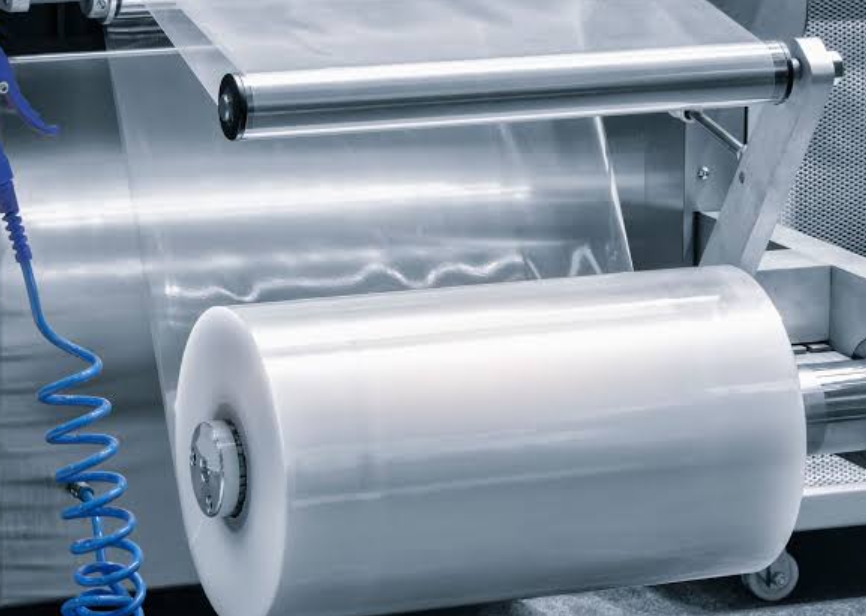
Polyolefin Film Extrusion and Packaging Solutions
Static builds up during packaging film production. It makes the layers stick and gather dust at high winding speeds.
- Thin Polyolefin Films (<50 µm): The recommended antistatic additive dosage is 0.10% to 0.25%. This gives quick charge decay and leaves film clarity unchanged.
- Thicker Polyolefin Films (>50 µm): Dosage ranges between 0.20% and 0.30%. It supports steady surface replenishment through the thicker sections.
- Food Packaging Integrity: It acts as a food-contact-compliant antistatic agent for polyolefin film. This keeps flexible packaging free of dust and does not affect heat-seal performance.
Injection Molding and Mold Release Optimization
Static builds up during polypropylene and polyethylene injection molding. This often slows manual handling, pulls in dust, and causes ejection problems.
- Loading Levels: It works as an antistatic agent for polypropylene and for injection molding at 0.20% to 0.60%.
- Cycle Time Reduction: It lowers internal friction and ejection force. This shortens molding cycles and helps prevent surface marks.
- Container Application: It acts as both an internal antistatic agent and mold release additive in food containers, caps, and PP audio cassette boxes. The result is a smooth finish and easy release from the mold.
EPE Foam Processing and Cell Structure Stabilization
In Expanded Polyethylene (EPE) foam manufacturing, managing gas exchange kinetics is essential for achieving dimensional stability and avoiding cell collapse.
- High-Dosage Formulations: Added directly into EPE processing lines at a higher dosage rate of 1.20% to 1.50%.
- Gas Exchange Acceleration: Facilitates the exchange of foaming gas (CO2 or hydrocarbon blowing agents) with atmospheric air while stabilizing uniform cell structures.
- Storage Cost Savings: Speeds up EPE foam curing time, reducing warehouse hold time and lowering overall inventory carrying costs.
Maximizing Efficiency: Dosages and Synergistic Formulations
Achieving antistatic agent cost optimization relies on combining additive formulations to lower total loading levels while extending functional longevity.
The Power of Combining Atmer 129 Equivalent with Atmer 163 Equivalent
Blending fast-migrating and long-term migrating antistatic agents creates a highly synergistic stabilization system for demanding plastic processing.
- Optimal Synergy Ratio: Mixing Atmer 129 equivalent with Atmer 163 equivalent in a 2:1 ratio produces superior antistatic performance compared to single-component additives.
- Immediate and Lasting Decay: The Atmer 129 substitute provides fast static decay immediately after processing, while Atmer 163 equivalent delivers sustained long-term static protection.
- Extrusion Compatibility: Demonstrates superior processing compatibility across various resin grades, making the blend suitable as an antistatic agent for injection molding and profile extrusion applications.
Why Partner with Raize for Antistatic Agent Cost Optimization?
Selecting a trusted antistatic agent supplier requires verifying product purity, batch-to-batch consistency, processing compatibility, and responsive technical services.
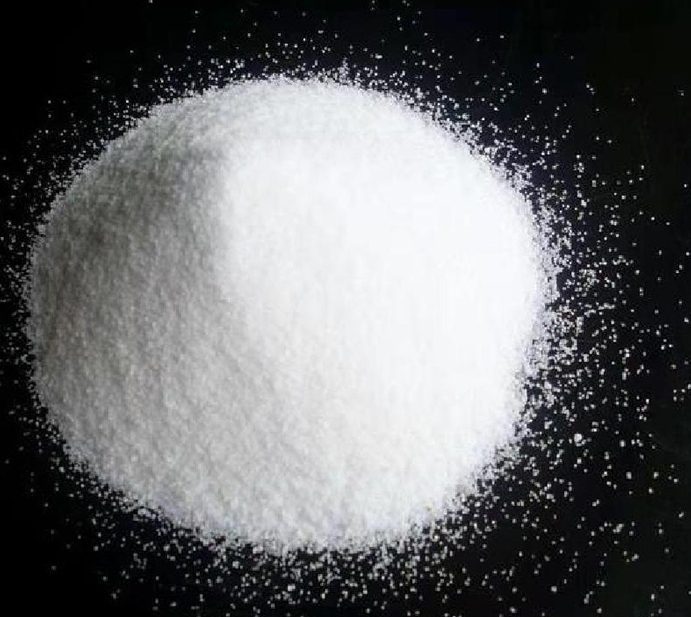
Technical Rigor, Global Compliance, and Reliable Supply
Raize bridges the gap between premium performance and economical additive sourcing through rigorous quality testing and specialized customer support.
- Consistent Batch Quality: Produced under strict ISO9001 guidelines, our polyolefin antistatic agent matches brand-name benchmarks in physical appearance and thermal stability.
- Regulatory Compliance: Meets extensive food contact regulatory standards, ensuring safe deployment in global food packaging and healthcare applications.
- Custom Application Support: Our technical team assists customers with tailored antistatic additive dosage optimization, compatibility testing, and masterbatch formulation guidance.
- Direct Cost Savings: Sourcing directly from Raize eliminates unnecessary distribution margins, allowing plastics processors to cut additive expenses by 20–30%.
Achieving Sustainable Additive Savings
Replacing high-cost original additives with a validated Atmer 129 alternative is a proven technical strategy to optimize production budgets without compromising quality. With fast charge dissipation, food contact compliance, surface resistivity reduction, and mold release additive advantages, Raize equips global plastic compounders with competitive chemical solutions.
Ready to reduce your antistatic additive costs? Contact the technical team at Raize today to request technical data sheets (TDS), MSDS, or free trial samples.
- Email: elma@raizechem.com
- Phone: 0086-13567125417
Часто задаваемые вопросы
Q: What is the primary function of an Atmer 129 equivalent in polyolefin processing?
A: An Atmer 129 equivalent acts as an internal antistatic agent and mold release additive. As a migrating antistatic additive, it moves toward the plastic surface, absorbs atmospheric moisture, supports surface resistivity reduction, and facilitates smooth part demolding.
Q: Is an Atmer 129 alternative suitable for food contact packaging?
A: Yes, high-purity Atmer 129 alternative products are manufactured under ISO9001 standards and comply with international food contact regulations, making them suitable as an antistatic agent for polyolefin film used in food packaging films and containers.
Q: What is the advantage of combining an Atmer 129 substitute with an Atmer 163 substitute?
A: Combining an Atmer 129 substitute and Atmer 163 substitute in a 2:1 ratio provides a synergistic effect, delivering immediate static charge dissipation after processing along with long-term antistatic protection during storage.
Q: How much Atmer 129 equivalent should be added in polyolefin injection molding?
A: The typical recommended antistatic additive dosage for polyolefin injection molding ranges from 0.20% to 0.60%, depending on part wall thickness, resin melt flow index, and desired mold release additive performance.


Оставить комментарий