




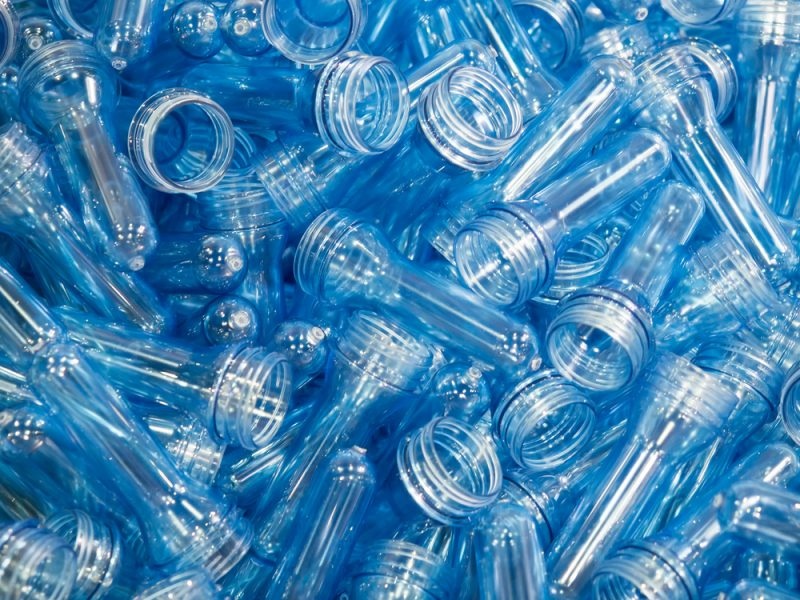
Processing of high-grade engineering polymers like Polycarbonate (PC), Polyamide (PA66/PA6), PBT, and PET needs a temperature range from 280° C to 330° C. The conventional lubricants break down easily under harsh thermal and shear process conditions, resulting in polymer thermal degradation during processing and various processing defects:
- Thermal Degradation:Volatilization and oxidation of the traditional lubricants cause chain scission, polymer weakening, and unpleasant yellowing of the polymer surface.
- Plate Out and Smoking of the Machinery: The low boiling point of the traditional lubricants causes evaporation, plate-out on the surfaces, streaking of the polymers, and smoking of the machinery.
- Mold Ejection Resistance: Inefficient lubrication causes the molded parts to get stuck inside complicated molds and leads to deformation of the parts and increased cycle time.
To solve these processing issues, Elevar, a leading chemical additives manufacturer, provides solutions of high-purity Pentaerythritol Stearate (PETS), advanced PETS Lubricant for Engineering Polymers, and High-Temperature Lubricant for Engineering Polymers.
Thermal Processing Bottlenecks in Engineering Thermoplastics
The processing of engineering thermoplastics demands a high melt temperature and high shear to ensure that there is good flow through the extruder and mold. But heat and stress may cause degradation of the polymer structure in no time due to the failure of conventional processing agents. Selection of a suitable engineering plastic processing lubricant is vital.
The Causes and Costs of Thermal Degradation
Thermal degradation during high-temperature extrusion and molding causes significant operational losses and high scrap rates for plastic processors.
- Polymer Molecular Weight Reduction: Thermal breakdown breaks backbone molecular chains, lowering impact strength and tensile properties in structural parts.
- Gas Evolution and Surface Imperfections: Volatile lubricant breakdown generates gaseous micro-bubbles, resulting in surface splay, silver streaking, and void formation.
- Mold Cavity Plate-Out: Decomposed chemical residue forms sticky deposits on mold surfaces, forcing frequent production shutdowns for equipment cleaning.
Chemical Mechanism: Dual Internal and External Lubrication of PETS
Pentaerythritol tetrastearate, which is better known as PETS lubricant, consists of tetra-hydric pentaerythritol at its center and long-chain stearic fatty acids attached to it through esterification. This composition of Pentaerythritol tetrastearate helps make it an efficient lubricant for plastics, both internally and externally.
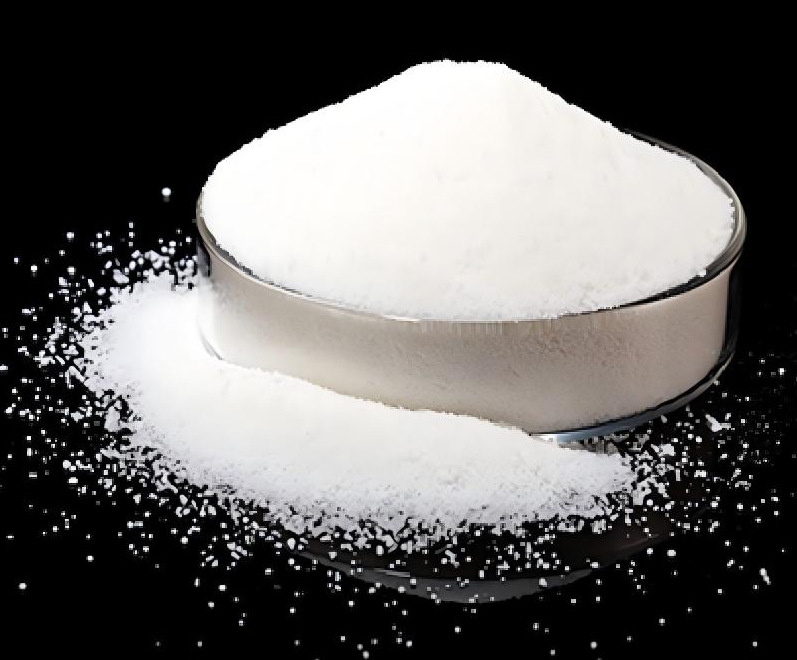
Internal Viscosity Reduction vs. External Mold Release
The specific chemical structure of PETS ensures a balance between melt viscosity and boundary surface release.
- Internal Lubricating Action: The polar ester group partially bonds with the polymer chain, i.e., PC, PBT, and Nylon, thereby decreasing intermolecular friction and melt viscosity while maintaining the integrity of physical properties.
- External Lubricating Action: Non-polar hydrocarbon stearate chain leaves the bulk phase and moves to the interface between melt and metal wall, forming an anti-friction release barrier.
- Low-Volatility Polymer Lubricant Efficiency: Owing to its high molecular weight and high point of thermal decomposition, PETS is resistant within the melt phase, thus precluding the occurrence of screw smoking above 300°C.
Performance Comparison: PETS vs. EBS and PE Wax
Plastic compounders historically relied on Ethylene Bis-Stearamide (EBS) or Polyethylene (PE) wax for basic processing aid requirements. However, modern high-temperature processing highlights clear performance advantages of PETS.
Thermal Stability and Volatility Breakdown
The PETS vs. EBS Lubricant and PETS vs. PE Wax tests illustrate why high-temperature plastic manufacturing is trending towards the use of pentaerythritol esters.
- PETS’ Thermal Stability: The thermal stability of PETS extends to 350°C, while that of EBS starts degrading at 240°C – 250°C.
- Defense Against Volatility & Discoloration: PE wax has high volatility and low polar resin compatibility, resulting in haziness in clear resins, while PETS ensures optical clarity in clear Polycarbonate.
- Prevention of Plate-Out: PETS has low migration and exudation properties compared to EBS, thereby preventing the formation of sticky white film on the mold vents and extrusion dies.
Industrial Application Scenarios and Processing Solutions
Real-world compounding and molding operations require a high-performance PETS lubricant for engineering plastics tailored to specific resin chemistries and processing machinery.
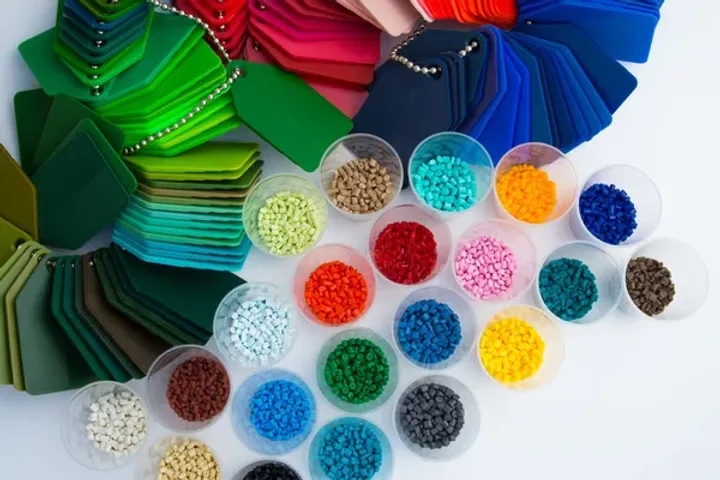
Polycarbonate (PC) Injection Molding & Demolding Efficiency
The processability of polycarbonate requires very high heat stability and preservation of optical clarity in complex parts manufacturing.
- Polycarbonate Mold Release Agent: The use of 0.2% to 0.5% PETS leads to a significant reduction in ejection force, thus allowing trouble-free demolding of parts from multi-cavity molds.
- Preservation of Optical Clarity: The use of PETS does not lead to milkiness or micro-phase separation of optical polycarbonate.
PA66, PBT, and PET High-Temperature Extrusion Processing
Polyesters and polyamides engineered and processed with the help of glass fiber reinforcement need better melt flow properties and protection from thermo-oxidation.
- PA66 Processing Lubricant: PETS functions as a good PA66 processing lubricant by helping in glass fiber wetting, reduced extruder torque, and better melt flow properties in reinforced nylon housing parts.
- PBT PET Lubricant Additive: PETS serves as an excellent lubricant and dispersant when used as a PBT PET lubricant additive and helps in PBT/PET compounding, faster crystallization, and mold filling.
- Thermal Synergy for Protection: PETS, used along with secondary phosphite processing stabilizers like Raize Antioxidant 168 or 626 and primary hindered phenols like Antioxidante 1010, ensures complete protection against thermo-oxidative yellowing in long residence cycles.
Sourcing High-Performance PETS Lubricants from Raize
As an established Chinese chemical additives manufacturer with over 15 years of industry experience, Raize delivers world-class polymer additives exported to over 50 countries. Raize provides direct-factory Pentaerythritol stearate additives that match global brand specifications at cost-effective price points.
Commercial & Technical Support Services by Raize
Raize integrates strict quality control in batches with adaptable customer service solutions to optimize international raw material sourcing.
- Support for Free Sample Testing: Samples weighing less than 500g are provided for free to help with trials and compounding validation.
- Technical Documentation: Complete COA, TDS, MSDS, and FDA certification for food contact materials are provided on demand.
- Flexible Sourcing Strategies: With a strict No-MOQ approach, Raize can provide adaptable batch sizes, formulation solutions, and mixed container shipments delivered within 15-20 days.
Upgrade Your Processing Stability Today
Streamline your compounding operations, eliminate thermal degradation, and lower production costs by upgrading to Raize PETS processing lubricants. Contact our technical sales team today to request a free 500g sample, TDS/COA documentation, or a customized quote!
- Email: elma@raizechem.com
- Direct Phone / WhatsApp: +86-13567125417
Preguntas frecuentes
Q: What is the suggested addition level of PETS lubricant in engineering plastics?
A: Usual amounts of PETS are 0.1% – 0.5% wt., depending on the kind of base resin, the amount of filler, and the mold geometry needs.
Q: Is there an acceptable level of Pentaerythritol tetrastearate (PETS) use in food packaging plastics?
A: Yes, Pentaerythritol tetrastearate (PETS) of very high purity satisfies all FDA regulations on compound use in food packaging, hence may be used for food package manufacture.
Q: Does Pentaerythritol tetrastearate (PETS) affect mechanical and optical parameters of Polycarbonate (PC)?
A: Thanks to high thermal stability and good resin compatibility, PETS reduces the melt viscosity without reducing PC impact resistance, heat distortion temperature, and optical transparency. The usage of PETS for polycarbonate mold release is beneficial for the smooth molding.
Q: Why is Pentaerythritol tetrastearate (PETS) preferred to ethylenebisstearamide (EBS) for high-temperature polyamide (PA66) compounding?
A: PENTAERYTHRITOL TETRASTEARATE shows thermal stability of higher than 350°C, while ethylenebisstearamide decomposes at about 240°C-250°C. High thermal stability prevents problems with yellowness of the product’s surface, screw smoking, and volatile formation.

Publicar comentario