




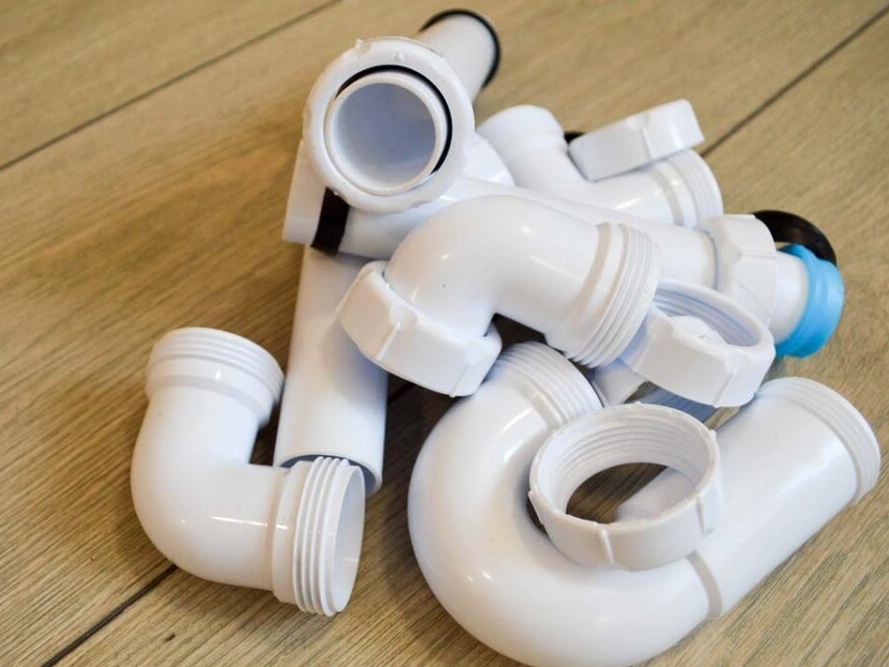
Introduction: Learning about Polymer Stabilization & Degradation
Plastics experience severe pressure as well as heat during their manufacture at very high temperatures. They are also exposed to the atmosphere for a longer time frame. 항산화제 stabilization of polymers is extremely important to prevent backbone scission, yellowing, and physical failure of plastics.
Why Polymers Degrade During Processing and Long-Term Use
Heat-induced oxidation happens through a self-feeding radical process. This occurs when melting and shaping the resin.
- Intense mixing forces create alkyl radicals (R•). These particles quickly mix with oxygen. This forms peroxy radicals (ROO•).
- Hydroperoxides (ROOH) build up during heating. They split into alkoxy (RO•) and hydroxyl (HO•) parts. This speeds up chain breakage.
- Unchecked heat and oxygen damage shifts the melt flow index (MFI). It also causes brittleness and yellowing in plastics. This shows the clear need for thermal oxidation stabilization of polymers.
Meet Raize: Innovation in Polymer Antioxidant Stabilization
올리다 creates top-tier plastic additives. These products match worldwide standards at budget-friendly costs.
- We offer a full range of protectors. This includes hindered phenols like Antioxidant 1010 and Antioxidant 1076. It also includes phosphites like Antioxidant 168 and Antioxidant 626.
- We provide special mixing services. Examples are Antioxidant 215 and Antioxidant 225 ready-made blends.
- We ensure a steady supply and strict quality checks. Furthermore, we give full technical help to plastic makers.
Primary vs. Secondary Antioxidants: Mechanisms and Key Differences
Good polymer stabilization antioxidants work by combining two main defense methods. Knowing how primary and secondary antioxidants in polymers work helps create the best additive recipes.
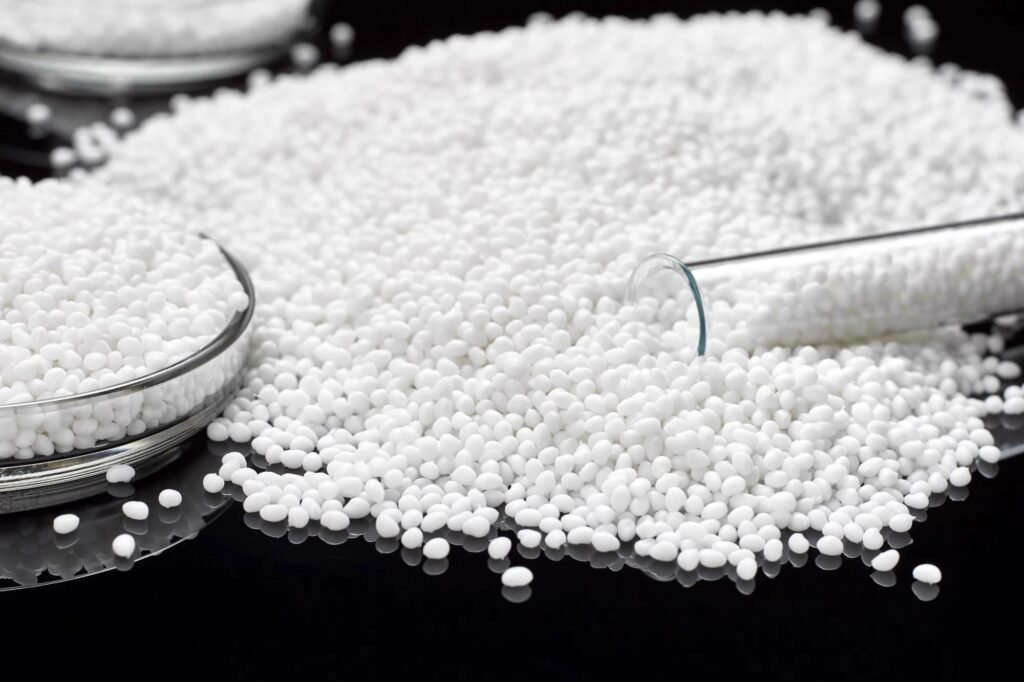
Primary Antioxidant for Polymers: Free Radical Scavengers
The primary antioxidant for polymers operates through the release of hydrogen atoms. This process prevents the formation of active peroxyl radicals.
- Hindered Phenolic Antioxidant for Polymers: The hindered phenolic antioxidant for polymers has unique phenolic structures. These structures prevent the propagation of radicals. This is achieved by transforming ROO• groups into harmless hydroperoxides.
- Thermal Stability Over Time: Antioxidant 1010 is a heavy hindered phenolic stabilizer. It provides outstanding resistance to migration and excellent thermal stability.
- Universal Protection: Antioxidant 1076 acts as an effective radical scavenger. It offers protection for polyolefins, polyamides, PVC, and ABS plastics.
Secondary Antioxidant for Polymers: Hydroperoxide Decomposers
The secondary antioxidant for polymers prevents radical formation. This is done by decomposing hydroperoxides during processing by heat.
- Phosphite Antioxidant for Polymers: The phosphite antioxidant for polymers acts on the hydroperoxides (ROOH). They convert them into harmless alcohols. While this is happening, the antioxidant converts to harmless phosphates.
- Processing Stability: Antioxidant 168 gives excellent resistance to water. It also gives heat protection during mixing.
- Anti-Yellowing Performance: Antioxidant 626 is the best phosphite. It offers good clarity, low volatility, and color protection.
Comparative Functionality of Antioxidants 1010 and 168 in Stabilization
Comparing the functionality of antioxidant 1010 and antioxidant 168, one finds that they differ dramatically in terms of the stabilization function they perform.
- 항산화제 1010is meant to deal with long-term thermal protection as well as mechanical resistance throughout the product’s life cycle.
- Antioxidant 168 provides melt flow stability; it protects the polymer chain structure against degradation during the heating of the plastic.
- Functionality Supplementation: It is impossible for a compound to provide all-round protection for the plastic material against both processes.
Unlocking Primary-Secondary Antioxidant Synergy in Polyolefins
Mixing primary radical catchers with secondary hydroperoxide breakers creates strong primary-secondary antioxidant synergy. This joint effect provides total defense for the thermal oxidation stabilization of polymers.
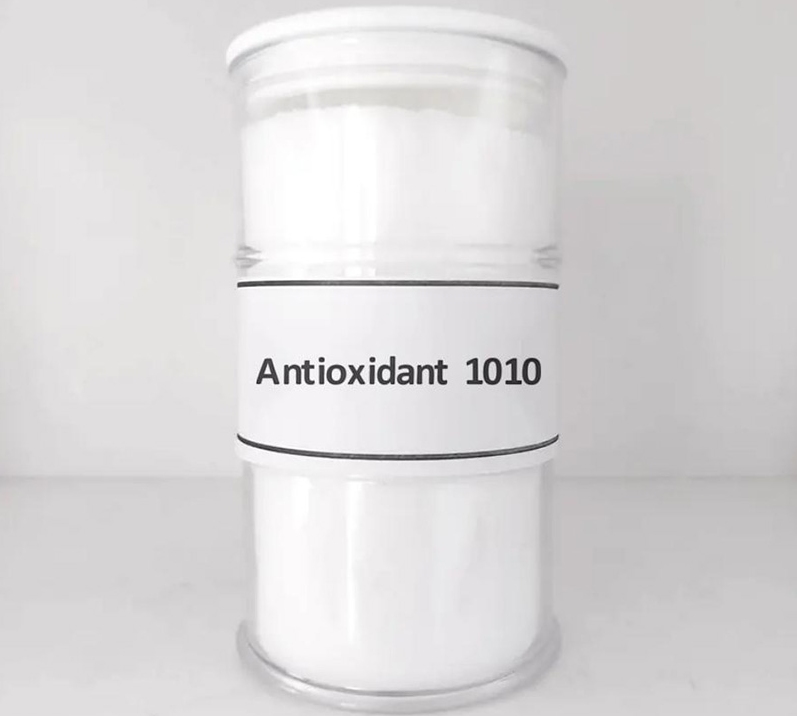
The Power of Antioxidant 1010 and 168 Combination
The antioxidant 1010 and 168 combination remains the standard recipe for plastic protection systems.
- Hydroperoxides formed during shaping are quickly stopped by Antioxidant 168. This prevents the start of new radicals.
- Any leftover alkyl peroxy radicals are handled by Antioxidant 1010. This stops the wasteful use of the main protector.
- This balanced mix guards plastics against many melting cycles. It does this without bad color changes.
Tailored Polyolefin Antioxidant Package Solutions by Raize
Raize provides ready-made polyolefin antioxidant package options. These are built to improve handling, precise measuring, and mixing speed.
- 항산화제 215: This is a 1:2 mix of Antioxidant 1010 and Antioxidant 168. It offers balanced processing and lasting defense.
- Antioxidant 225: This is a 1:1 blend of Antioxidant 1010 and Antioxidant 168. It fits tough plastic processing setups.
- Low Volatility & High Compatibility: These mixes evaporate very little. They dissolve well in resin. They also work nicely with UV light guards.
Practical Application Scenarios and Performance Problem-Solving
Picking the right polymer processing stabilizer fixes errors directly. It boosts product output and lifespan in real factory uses.
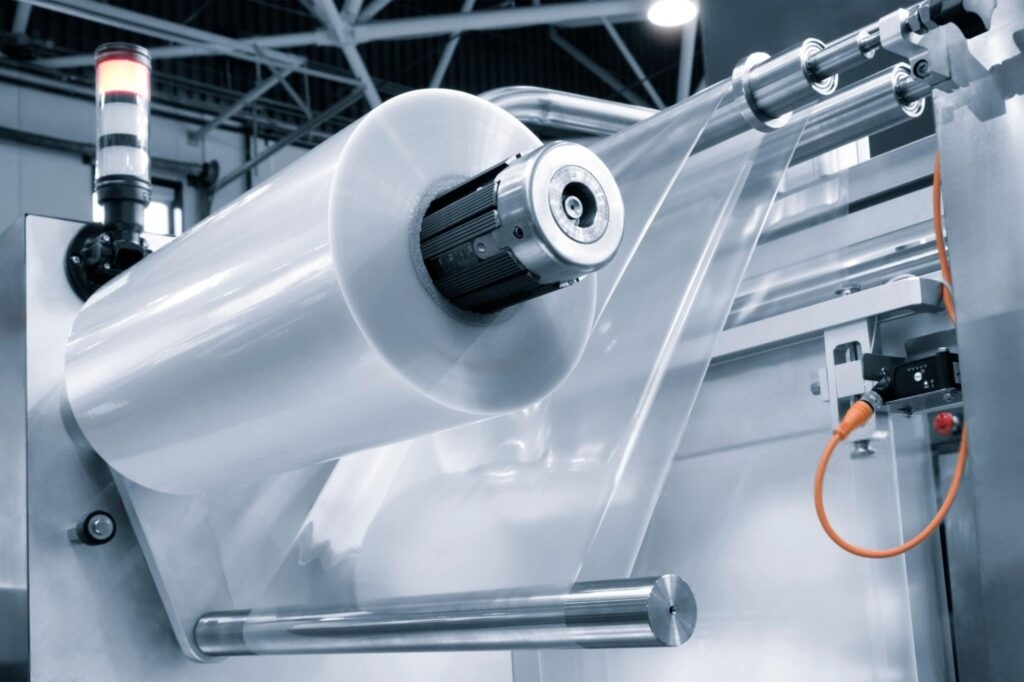
Polyethylene and Polypropylene Processing Protection
In PP molding and PE pipe making, severe heat damage changes how the melt flows. It also lowers physical toughness.
- Polypropylene Antioxidant Additives: A polypropylene antioxidant additive like Antioxidant 215 or Antioxidant 225 at 0.1%–0.5% stops PP chain breaks. It also stops melt flow index (MFI) jumps during shaping.
- Polyethylene Antioxidant Additives: Polyethylene guards stop tangling and gel chunks during film blowing.
- Problem Solved: Correct polymer antioxidant stabilization stops pipe bursting. It prevents color changes and cracking in car interior parts.
High-Clarity Film and Food-Contact Packaging Applications
Food wraps and clear medical packs need safe, non-yellowing, and stay-put chemicals.
- Food Packaging Safety: Antioxidant 1010 has very low poison levels (LD50 > 5g/kg). This makes it perfect for food packs at 0.1%–0.5% amounts.
- High Transparency & Color Defense: Antioxidant 626 gives great anti-yellowing results. It keeps plastics and PC films very clear.
- Problem Solved: It removes yellow stains in clear packs. It also meets food contact safety rules.
Strategic Recommendations and Strategic Partnership
Getting the best chemical results means matching specific plastics, heat levels, and final uses with pure additives.
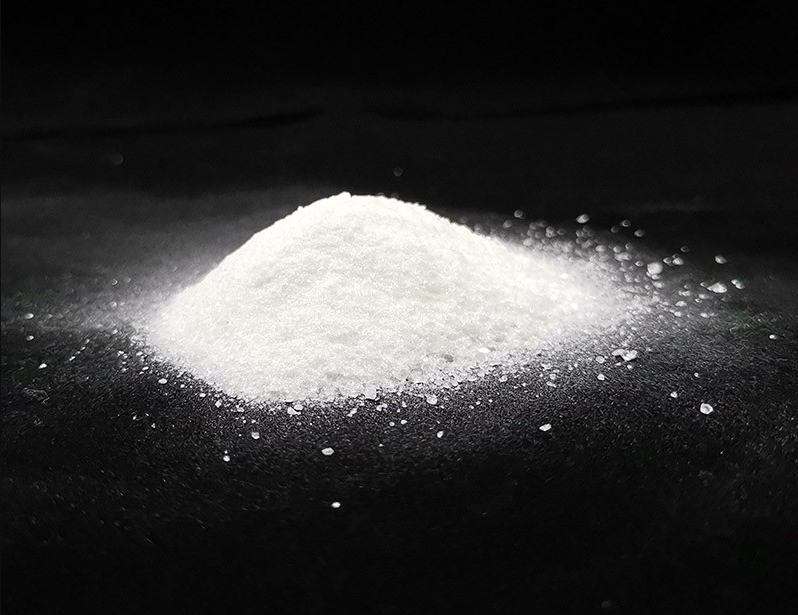
Selecting the Ideal Polymer Processing Stabilizer
Checking plastic weakness and factory settings ensures smart polymer processing stabilizer choices.
- Determine Process Temperature Thresholds: Hot tasks (>260°C) need strong phosphites like Antioxidant 626.
- Calculate Dosage Ratios: Plastic systems usually need 0.05% to 0.5% chemical amounts for the best safety.
- Integrate Light Protection: Mix phenolic and phosphite guards with HALS for outside uses.
Elevate Polymer Quality with Raize Antioxidant Solutions
Working with Raize gives plastic makers access to top-level chemical tech and special mixing help.
- Consistent Quality: Strict batch checks ensure steady factory results.
- Competitive Pricing: Strong chemicals offering big-brand results at fair prices.
- Technical Support: Custom safety recipes for PE, PP, ABS, PVC, and tough plastics.
Ready to optimize your polymer stabilization package?
Reach out to the Raize chemical team today. Ask for samples, data sheets, or custom recipe tips.
- Email: elma@raizechem.com
- Phone: 0086-13567125417
자주 묻는 질문
Q: How do the primary and secondary antioxidants function in polymers?
A: The functionality of primary and secondary antioxidants in polymers differs in several ways. The first class includes the radical traps blocking the progress of polymer degradation. The second group of antioxidants decomposes hydroperoxides into alcohols during the melting process.
Q: Why are antioxidants 1010 and 168 often applied to polyolefins?
A: The combination of both antioxidants allows achieving a perfect primary-secondary antioxidant effect. Antioxidant 168 is used for maintaining melt flow security during processing. However, Antioxidant 1010 protects the resins from heating.
Q: How is the polymer processing stabilizer effective in preventing resin discoloration during extrusion?
A: Antioxidants, phosphites, and secondary antioxidants, such as Antioxidant 626, are employed to neutralize the hydroperoxides formed prior to the onset of their breakdown into discoloring chemicals.
Q: In what amount of polyolefin antioxidant should the addition take place for the maximum efficiency?
A: Typically, amounts vary between 0.05% and 0.5% by weight, depending on processing temperatures, type, and intended lifetime of the polymer.

댓글을 남겨주세요