




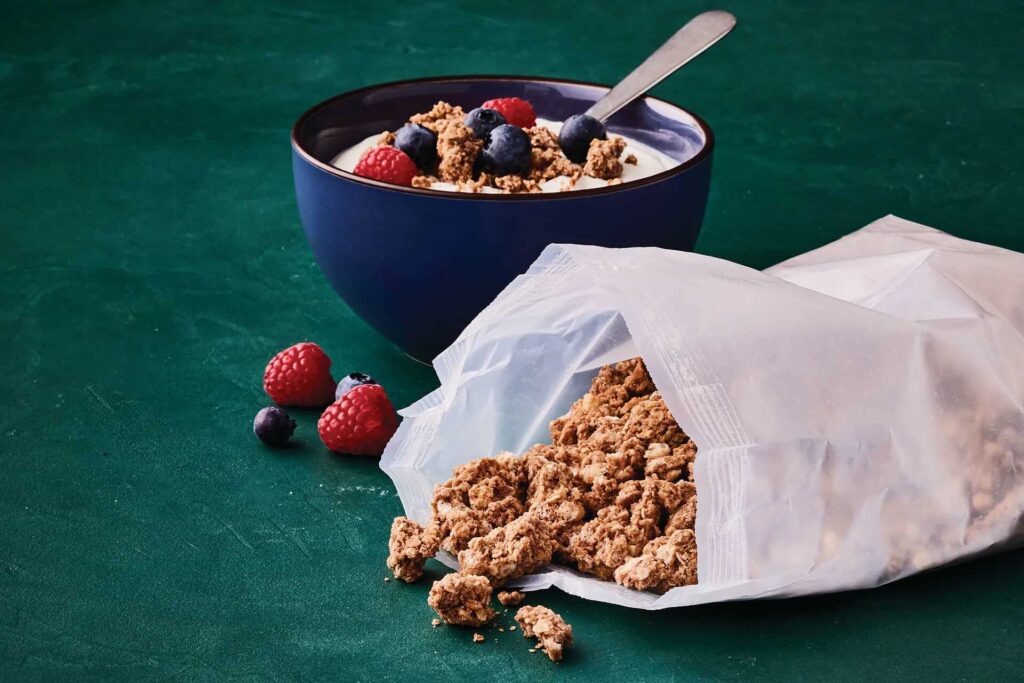
In high-speed polyolefin film manufacturing, friction quickly builds static that creates real problems for both line operation and cleanliness. These charges make lightweight food packaging films cling to equipment, pull in dust, and disrupt heat-sealing units. To cut contamination risks and keep packaging looking good, engineers often rely on a suitable food contact antistatic agent or internal antistatic agent designed for PE and PP films.
올리다 has worked as a global additive manufacturer for over 15 years. The company supplies solutions for polyolefin processing and helps customers who need FDA food contact compliance, along with guidance for flexible packaging applications.
Understanding Static Electricity in Food Packaging Films
Polyolefin polymers such as polyethylene (PE) and polypropylene (PP) possess high intrinsic electrical resistance, making them prone to static charge retention. Resolving this issue requires understanding how static buildup occurs and how a polyolefin antistatic agent helps dissipate surface charges.
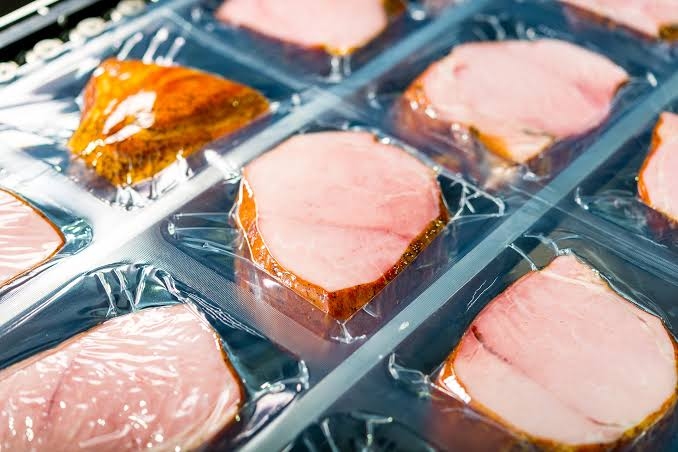
Hazards of Static Charge in Polyolefin Film Processing
Static electricity generated during film blowing or casting creates significant challenges across production and end-use environments.
- Airborne Contamination: Static charges pull dust, lint, and ambient particulates onto film surfaces prior to food filling.
- Packaging Machinery Jamming: Electrostatic attraction causes thin films to stick to rollers and guide rails, triggering machinery downtime.
- Defective Heat Sealing: Fine food powders, such as milk powder or spices, may cling to the sealing area of pouches and compromise seal integrity.
How Migratory Internal Antistatic Agents Function
A migratory antistatic agent incorporated directly into the polymer matrix provides a self-replenishing mechanism for reducing static buildup.
- Controlled Surface Migration: The internal antistatic agent disperses in the polymer melt during extrusion and gradually migrates toward the film surface because of controlled incompatibility with the resin.
- Atmospheric Moisture Absorption: Once at the surface, hydrophilic portions of the additive interact with ambient moisture and help create a conductive surface layer.
- Charge Dissipation: This surface layer improves charge dissipation and lowers antistatic film surface resistivity compared with untreated polyolefin.
Key Criteria for Selecting FDA-Compliant Antistatic Additives
Selecting an antistatic additive for food packaging requires balancing antistatic efficiency, film appearance, processing conditions, and regulatory requirements.
Regulatory Standards and 21 CFR Food Contact Additives
Food packaging materials must meet applicable food-contact requirements based on resin type, additive chemistry, intended use, and migration conditions.
- FDA Compliance: Buyers should verify whether the selected additive and use level are suitable for applicable U.S. FDA provisions and 21 CFR food contact additives requirements.
- Migration Limits: Formulations should be evaluated against relevant migration or use restrictions for the intended food-contact application.
- Documentary Traceability: Film converters should request complete food contact compliance documentation from the food contact antistatic agent supplier, including regulatory statements and technical product information.
Maintaining appropriate FDA food contact compliance documentation is particularly important when films are supplied to international food brands or converters with formal supplier-approval programs.
Balancing Surface Resistivity and Additive Dosage
Getting the needed antistatic results while holding onto film clarity, printability, and sealability calls for careful control of the antistatic additive dosage.
- Target Resistance Values: The needed surface resistivity for the film changes with the packaging use, the resin type, film thickness, and the plant conditions.
- Optimized Loading Rates: The proper dosage comes from trials on each resin rather than one fixed level for all cases.
- Avoidance of Over-Migration: Too much additive can cause blooming or residues that hurt printing, lamination, or heat sealing.
Practical Application Scenarios for PE/PP Food Packaging
Antistatic additives solve specific processing and handling challenges across flexible food packaging applications.
High-Speed Form-Fill-Seal (FFS) Packaging Lines
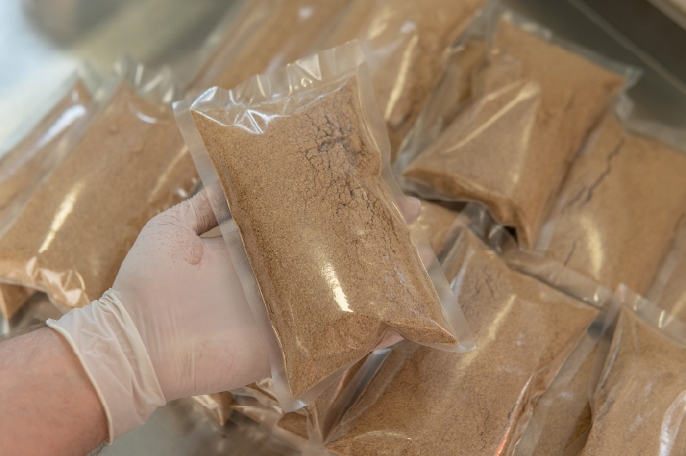
Static control helps in automated pouch packaging for powdered and light foods. It supports steady film movement and good sealing.
- Pouch Sealing Protection: An antistatic agent for PE film or a PE film antistatic additive cuts down on static pull near the seals. This makes film handling better in the packaging process.
- Roll-Stock Handling: A suitable antistatic agent for PP film or a PP film antistatic additive aids unwinding, tracking, and sheet movement through automated packaging machinery.
You need to consider resin grade, processing temperature, film structure, humidity, and later printing or sealing needs when choosing the right food contact antistatic agent.
Synergistic Additive Formulations for Polyolefin Films
Combining complementary additive chemistries can provide different migration speeds and antistatic performance profiles.
- Short-Term and Long-Term Balance: Fast-migrating and slower-migrating additive systems may be combined when both early and sustained antistatic performance are required.
- Multilayer Co-Extrusion: Incorporating a polyolefin antistatic agent into selected skin layers may reduce total additive use while concentrating antistatic performance near the film surface.
Strategic Partner for Polyolefin Additives: Raize
As a food contact antistatic agent supplier, Raize provides internal antistatic additive solutions for PE and PP processing applications.
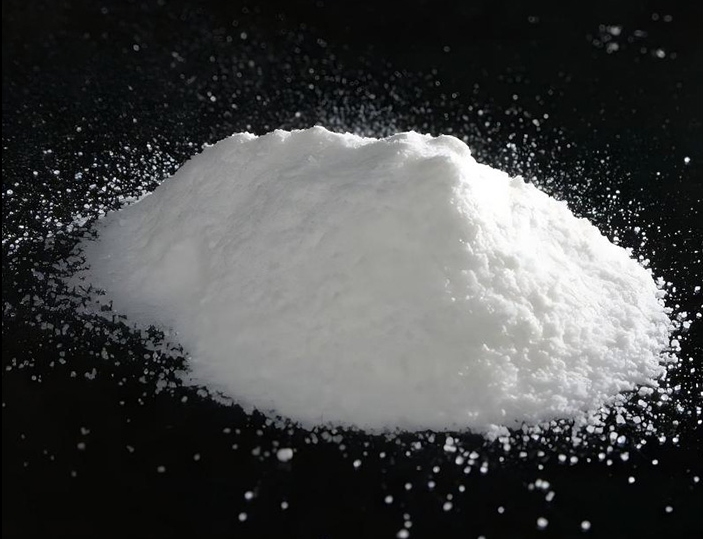
High-Performance Antistatic Additive Portfolio
Raize supplies internal antistatic agent products designed for polyolefin film and sheet extrusion.
- Raize Atmer 129 Equivalent: A mono-glyceride-based internal antistatic agent that can be evaluated as an antistatic agent for PE film and PP applications where rapid migration and processing compatibility are required.
- Raize Atmer 163 Equivalent: An ethoxylated amine-based antistatic agent for PP film and sheet applications where longer-lasting antistatic performance may be required.
- Synergistic Blends: Different internal antistatic chemistries can be evaluated together to balance migration speed, antistatic film surface resistivity, optical appearance, and processing performance.
For food packaging applications, buyers should confirm the exact regulatory status and approved use level of each product with the supplier before commercial production.
Technical Support and Regulatory Documentation
Raize supports converters with technical information and documentation for product evaluation.
- Custom Dosage Guidance: Technical specialists can assist with antistatic additive dosage optimization based on PE or PP resin grade, film thickness, line speed, and environmental humidity.
- Compliance Documentation: Customers can request TDS, SDS, regulatory statements, and relevant food contact compliance documentation when evaluating FDA food contact compliance and applicable 21 CFR food contact additive requirements.
Upgrade Your Food Packaging Film Performance Today
Are static buildup and dust attraction slowing down your packaging line? Raize에 문의하세요, a food contact antistatic agent supplier, to discuss your PE or PP formulation, request product information, review food contact compliance documentation, or obtain guidance on selecting an appropriate PE film antistatic additive or PP film antistatic additive.
자주 묻는 질문
Q: How does relative humidity in the environment affect internal migratory antistatic agents in PE/PP films?
A: An antistatic agent is migratory in nature, which depends on migration and interaction with moisture in the air. In some cases, low humidity will limit the efficacy of an internal antistatic system, and so environmental factors must be taken into account during trials.
Q: How does one determine dosage of antistatic additives in food packaging film?
A: Dosage of the antistatic additives depends on the resin being used, the thickness of the film, the processing temperature, humidity, desired antistatic film surface resistance, and further downstream needs, such as printing or heat sealing.
Q: Does a food contact antistatic additive affect film clarity and heat sealing?
A: Yes. A food contact antistatic additive added in an incorrect amount may cause blooming, haziness, and changes in film surface properties. Trials, therefore, need to test the antistatic performance along with optical and heat sealing properties.
Q: What documents are required from the supplier of a food contact antistatic agent?
A: Buyers should ask the supplier for TDS, SDS, FDA food contact statement, recommended use levels, and other related FDA food contact documents.

댓글을 남겨주세요