




Have you ever noticed a hazy white residue, sticky surface coating, or unexpected powdering on your extruded polypropylene pipes, blown polyethylene films, or automotive interior parts? This defect is known as antioxidant surface blooming, a clear sign of polymer additive migration. Picking the right hindered phenolic antioxidant helps protect polyolefins from heat damage during processing and later use, while keeping surface quality and meeting regulations.
- Understanding the basic chemistry of additive solubility and migration in semi-crystalline polymers.
- Evaluating the differences in antioxidant 1010 vs 1076 for molecular weight, compatibility, and thermal performance.
- Using suitable additive levels to limit antioxidant migration in polypropylene and polyethylene formulations.
Working with Raize, a reliable maker of high-performance additives for plastics, food, and feed applications. At Aumentar, we supply quality additive products that meet international standards at competitive prices, with solid technical support for each use.
Understanding Antioxidant Blooming and Migration in Polyolefins
Inhibition of blooming and associated surface issues will begin with an understanding of how stabilization additives migrate in semi-crystalline polymers like PP and PE. The behavior of these stabilized materials at elevated temperatures will determine whether the additive remains well-dispersed or eventually phase separates.
Mechanisms Behind Antioxidant Surface Blooming
Additive migration happens when the amount of a primary polyolefin antioxidant goes past its solubility limit in the amorphous part of the polymer matrix.
- Thermodynamic Oversaturation: As the material cools after heating, the additive’s solubility limit falls fast, so extra molecules get pushed out of the resin matrix.
- Diffusion to the Surface: Additives with lower molecular weight move along density differences toward the outer layer of the molded or extruded part, contributing to antioxidant migration in polyolefins.
- Crystallization and Precipitate Formation: When the additive reaches the air at the surface, it recrystallizes into visible white powder, causing polypropylene surface blooming.
The Costs of Uncontrolled Additive Migration
Unmanaged antioxidant migration in polyolefins creates real problems for both how parts look and how they work in daily use.
- Surface Quality Degradation: Haze, chalking, and color changes hurt the look of consumer plastics and clear packaging films.
- Loss of Secondary Adhesion: Thin films of migrated additive stop proper heat sealing, corona treatment, ink adhesion, and glue bonds.
- Regulatory and Food Contact Non-Compliance: Too much additive moving into food or medicine breaks global safety rules for contact materials.
Antioxidant 1010 vs 1076: Key Technical Differences and Performance Profiles
Choosing between antioxidant 1010 vs 1076 means looking at the chemical makeup, molecular weight, and how well each fits the processing conditions.
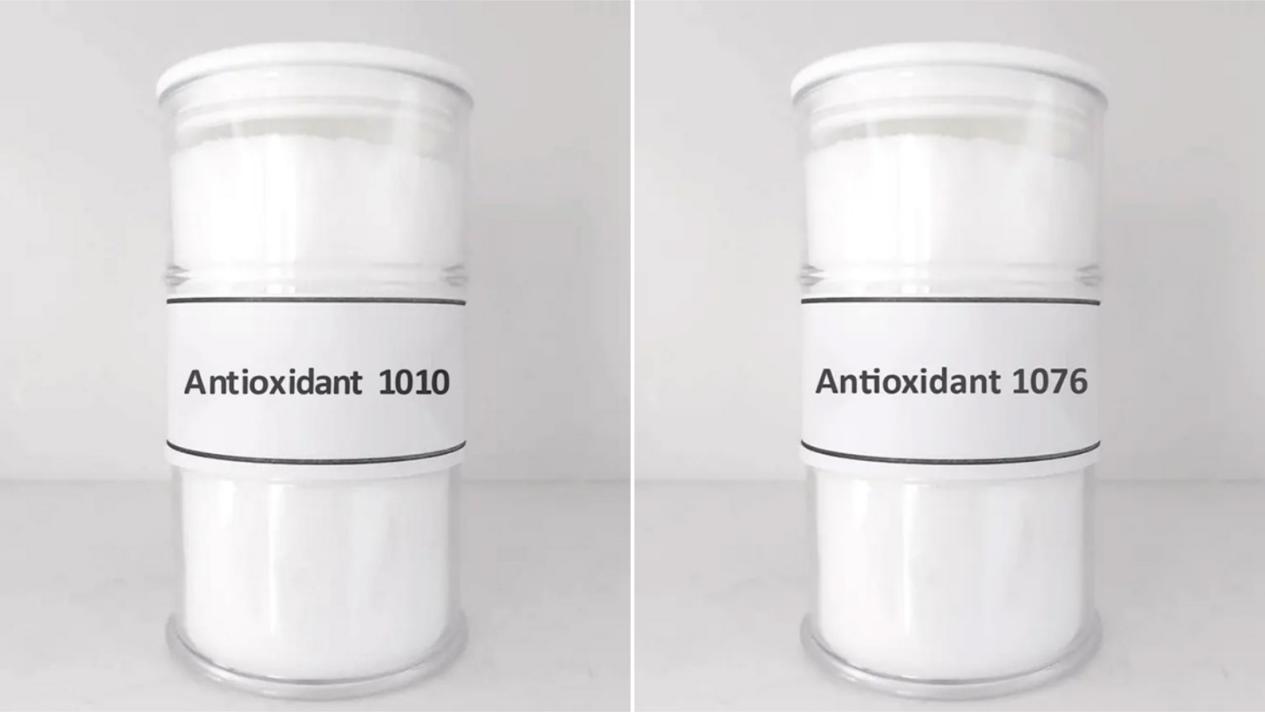
Antioxidant 1010 for Polypropylene and Polyethylene
Antioxidante 1010 has a high-molecular-weight structure of a tetra-functional hindered phenol. It acts as a powerful, low-migration antioxidant in tough applications.
- High Molecular Weight (~1178 g/mol): The large pentaerythritol tetrakis structure limits the diffusion rate. This reduces antioxidant migration from polypropylene dramatically.
- Four Active Phenolic Functions: These functions provide effective thermal oxidation protection during melt processing and heat aging.
- High Resistance to Extraction: This product is suitable for thick-walled parts, hot water piping, and food contact containers. The migration resistance is high; thus, Antioxidant 1010 for polypropylene excels in applications where permanent additive retention is critical.
Antioxidant 1076 for Polyolefins and Flexible Resins
Antioxidante 1076 is composed of a single-function sterically hindered phenol with a long ester group. The antioxidant offers good solubility in non-polar resins.
- Improved Compatibility (~531 g/mol): The addition of an octadecyl ester group improves the compatibility of the antioxidant in polypropylene and low-density polyethylene.
- Fast Melting Dispersability: The antioxidant disperses quickly in polyolefin melts. This prevents the formation of precipitates during rapid cooling operations.
- Recommended for Thin Films: Antioxidant 1076 for polypropylene is recommended for fibers, films, and flexible PE packages that require clarity.
Practical Application Scenarios: Solving Migration with the Right Antioxidant Strategy
Selecting between Antioxidant 1010 and Antioxidant 1076 depends heavily on the specific processing environment, resin density, and end-use conditions.
High-Temperature Extrusion and Automotive Polypropylene
Under-the-hood automotive parts and industrial piping are subjected to extreme thermal stress during processing and high-temperature operation.
- Choice of Formulations: Employ antioxidant 1010 in the polypropylene formulation since it is less volatile and does not bloom at high temperatures.
- Recommended Quantity: Keep antioxidant quantity in polypropylene from 0.1% to 0.3%, which is well below the thermodynamic solubility limit.
- Antioxidant Synergy: Mix antioxidant 1010 with phosphite antioxidants such as antioxidant 168 and antioxidant 626 to minimize the use of primary antioxidants during melt extrusion.
Food Packaging Films and Extrusion Blow Molding
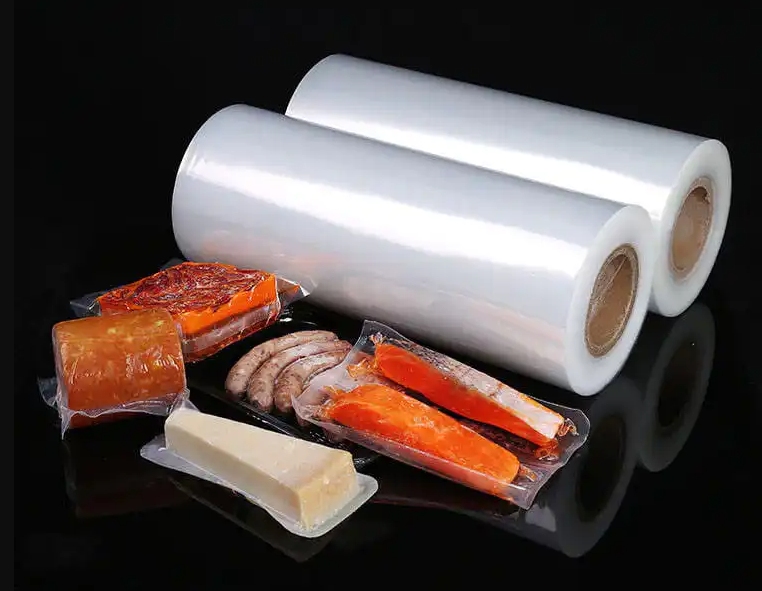
High clarity and low odor, together with 100% compliance with the migration limits for food contact, are required for flexible polyolefin packaging.
- Formulation Strategy: Utilize Antioxidant 1076 or a well-formulated combination to avoid microcrystalline formation and film haze in BOPP and LLDPE blown films.
- Film Haze Avoidance: Control the antioxidant migration in polyethylene films to preserve the heat-seal integrity and corona treatment resistance.
- Protection against Sensory Contamination: Low volatility and purity are critical to avoid contamination of food by taste or odor.
Raize Additive Solutions and Tailored Technical Support
Raize links pure chemical production to hands-on engineering work. This helps polymer processors worldwide handle ongoing antioxidant blooming issues.
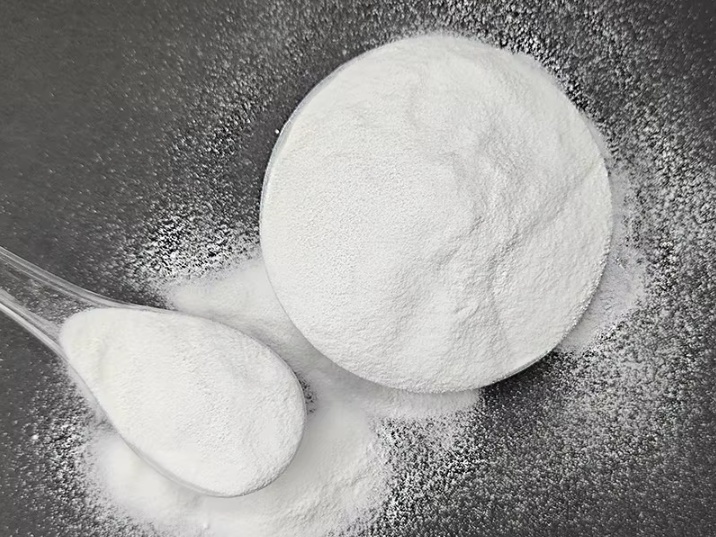
High-Purity Antioxidant Product Portfolio
Raize makes a solid line of primary hindered phenols along with secondary phosphites. The products fit well in polyolefins.
- Raize Antioxidant 1010: This high-purity, high-molecular-weight primary antioxidant shows low volatility and strong long-term heat resistance.
- Raize Antioxidant 1076: The product offers high solubility and stays colorless. It works well in thin films, fibers, and flexible polyolefins.
- Raize Secondary Antioxidants: These include advanced phosphite stabilizers such as Antioxidant 168 and the high-transparency grade Antioxidant 626.
- Raize Pre-Blended Systems: Ready-to-use mixes like Antioxidant 215 and Antioxidant 225 give good processing protection and cut the total additive amount needed.
Technical Services and Migration Troubleshooting
Raize supplies full technical support. Compounders can adjust additive levels and reduce antioxidant surface blooming defects this way.
- Solubility and Migration Analysis: Lab tests set exact additive limits for different polymer grades.
- Dosage and Synergy Optimization: The team sets additive ratios to lower costs, avoid blooming, and keep thermal stability high.
- Tailored Additive Solutions: Dust-free blends and custom masterbatches fit smoothly into feeder systems.
Ready to Eliminate Additive Blooming in Your Polyolefin Formulations?
Don’t let polypropylene surface blooming, haze, or migration compliance issues compromise your product quality. Contact the technical expert team at Raize today to request technical datasheets, order free product samples, or schedule a custom formulation consultation with our application specialists.
Perguntas frequentes
Q: What is the reason behind the formation of antioxidant surface blooming in polypropylene formulations?
A: This phenomenon arises due to an excess amount of antioxidant that is above its thermodynamic solubility in the polypropylene material, leading to migration and crystallization of the additive on the surface.
Q: How can I differentiate between the two Antioxidants, 1010 and 1076, for PE film use?
A: Antioxidant 1076 is more soluble and flexible in thin blown/cast films, while Antioxidant 1010 has higher molecular weight and better resistance to extraction for thick-walled items and high-temperature use.
Q: What is the normal antioxidant dosage for polypropylene formulations?
A: Normal antioxidant dosage for polypropylene is between 0.05% and 0.4%, depending on polypropylene grades and processing temperatures as well as the presence of secondary phosphites (Antioxidant 168).
Q: Will the combination of primary and secondary antioxidants help to solve the blooming problem?
A: Yes, because the combination of primary phenol and secondary phosphite antioxidants helps to decrease the dose of primary antioxidant to a level below the blooming point.

Postar comentário